
Every parent wants their children to enjoy strong and healthy teeth. Unfortunately, children are more prone to cavities because the enamel in their milk teeth is weaker than the enamel in adult teeth. Plus, children’s awareness to maintain healthy teeth and mouth is still low, so the risk of children experiencing high cavities. Therefore, it is important for parents to know the various causes of cavities and what you can do to protect your child’s teeth.

Causes of cavities in children
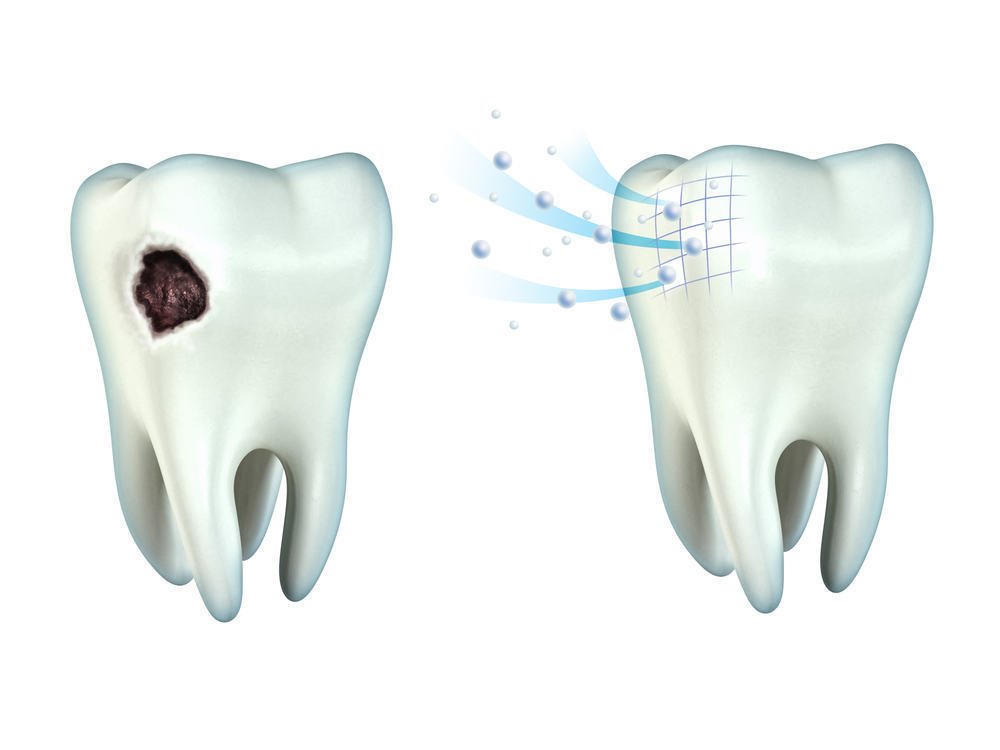
The bacteria in your child’s mouth naturally multiply, forming a sticky substance called plaque. This plaque can coat the surface of the teeth. Along with the habit of children eating sweet foods and drinks, the bacteria on the plaque will also produce acid. The acid found on the plaque will slowly erode the hard enamel and make holes in the teeth. Untreated tooth damage will worsen and can cause tooth loss.
In general, the causes of cavities in children are triggered by many interrelated factors. Some of the factors that cause cavities in children that parents need to know include:
● Eat Sweet Food Habits
Children love eating sweet foods and drinks such as milk, ice cream, cakes, chocolate, cereals, and so on. In fact this habit can cause bacteria in the mouth to produce more acid which in turn triggers tooth decay.
● Lack of Drinking
In addition to eating habits and sweet drinks, lack of fluid intake can also be a cause of cavities in children. Low fluid intake causes little production of saliva in the mouth. Though saliva helps fight acids produced by bacteria in the mouth.
● Drinking Bottles to Sleep
One of the most common causes of cavities in children is the habit of drinking bottled milk at the age of the baby to sleep. Sugar contained in milk can settle into destructive acids to trigger cavities.
● Not Brushing Teeth Clean
The back teeth are one of the most vulnerable teeth with holes because these teeth tend to have many grooves and cracks. As a result, the back teeth are difficult to reach with a toothbrush. If the child does not brush his teeth clean, plaque and bacteria will nest there. In the end it can be a cause of cavities.
● Fluoride deficiency
Children aged 3 years or more can use toothpaste containing fluoride. Of course in a small amount. Fluoride itself is a natural mineral that helps prevent cavities and even repair tooth decay experienced by children in the early stages.
What are the symptoms of cavities in children?
In general, cavities will depend on how big the hole is formed and where it is located. Usually the earliest sign of tooth decay is the presence of white spots on one or several teeth. The appearance of white spots on the teeth indicates that the tooth enamel starts to break down. White spots will gradually change to brownish spots accompanied by the appearance of holes. The deeper the hole, the darker the color.
Small holes may not cause symptoms. However, if the hole formed is large, it usually causes symptoms such as:
Toothache, especially when the child chews food or when he presses his teeth.
Children’s teeth become very sensitive.
Children often feel tooth pain spontaneously without knowing the obvious cause.
Mild to sharp pain when children eat or drink something sweet, hot, or cold.
Caring for cavities in children
Basically the way to cope with cavities in children depends on their age and severity. If new yellowish / brown spots appear on the teeth, brushing your teeth regularly at least twice a day using fluoride toothpaste is the best solution.
Fluoride toothbrushes can be used in children aged 3 years. However, use just a little, about the size of a corn seed. If the child is over 3 years old, you can add a dose of toothpaste to the size of a pea. Teach children to rinse and remove water after brushing their teeth. Also convey to the child that toothpaste is not food, so he may not swallow it. Generally children can be taught to rinse when they are 2 years old.
Meanwhile, if the child often complains of toothache to cause disturbed daily activities, this means that tooth decay experienced by the child is advanced. If this is the case, the child must immediately be taken to a pediatric dentist (Sp. KGA). Pediatric dentists generally have rooms and equipment specifically designed with cheerful colors, so they can attract their hearts. This certainly makes the child feel comfortable to do a dental check.
The treatment and treatment performed by the doctor will be adjusted to the psychological and condition of the child’s teeth. The dentist may empty the damaged part and patch or pull it out.
Preventing cavities in children
The key to preventing cavities in children is to combine oral hygiene and a healthy diet. This can be done by:
● Teach Diligent Children to Brush Teeth
Children must be taught to brush their teeth twice a day early. Plant it to always brush your teeth in the morning and evening. Children generally have started being taught to brush their teeth since their first four teeth grew. You can help brush your child’s teeth and slowly let him learn to do it himself. But if your baby’s teeth have not yet grown, you can get used to gently cleaning the gums with a soft cloth every time you finish feeding.
This habit is actually easy, it’s just difficult to run consistently. Given that children have moods that tend to be unstable. If he is excited today, not necessarily the next day he feels the same way. Now, so that children are more eager to apply these good habits every day, you have to make the routine of brushing your teeth a pleasant habit. This can be started from the selection of a child’s toothbrush and toothpaste that matches his favorite character. It must be understood that children are great imitators. So if you want your child to apply this good habit, then you have to apply it too.
● Recommend Healthier Foods
Because bacteria on plaques eat sugar and starchy foods and soft drinks, try to start introducing healthy foods that are rich in nutrients to children. Healthy foods such as fruits and vegetables in addition to being rich in nutrients can also help mineralize your child’s saliva. This helps prevent tooth decay caused by plaque.
Some children may not like to eat vegetables because they tend to be tasteless. Well, here is the task of parents to think creatively in making food menus that can attract small hearts.
No less important, teach children to routinely check their teeth to the doctor every 6 months. So, don’t wait until your child feels a toothache and then you take him to the dentist. Remember, the earlier teeth and mouth problems are detected, the easier the treatment will be. This can also prevent further tooth decay in the future.
Makes Good Oral Hygiene As Part of Routines
Keeping oral hygiene every day is important. Many parents assume that damage to the milk teeth is only temporary and will disappear by itself when the child’s permanent teeth grow. As a result, the health of your baby’s teeth and mouth is often overlooked. In fact, damaged milk teeth will affect the growth and development of their permanent teeth later.
Therefore, you need to teach children to diligently brush their teeth from the first tooth they grow. When they can brush their own teeth, you still need to monitor them until they are six years old.
Make sure they:
Drink lots of water after eating.
Brush their teeth twice a day, morning after breakfast and the night before going to sleep for at least 2 minutes.
Brushing the surface of each tooth using a toothbrush that fits in their mouth. Pepsodent Toothbrush is specifically designed for children. Toothbrush must be replaced every two to three months or after the brush has expanded.
Use fluoride toothpaste (for children over two years). Pepsodent Kids offers a series of fluoride toothpastes that help prevent damage to teeth.
Using floss is something that children tend to avoid, but it is important to do it every day to prevent the formation of plaque between teeth due to accumulated food debris.
Don’t forget, routinely check your child’s dental and mouth health to the doctor every 6 months.
If you can instill the habit of cleaning your teeth properly, they will be able to treat their own teeth and gums. This will prevent tooth decay early, so that they can enjoy healthier and wider smiles during the years ahead.

 Hospital Digital