Types and Symptoms of Brain Tumors You Need to Know

Are tumors and brain cancer the same thing? Actually these are two different things. Brain cancer is the growth of malignant cells in the brain that are abnormal, uncontrolled, and can spread to other brain tissues. Meanwhile, brain tumors are abnormal tissue growth in the brain or central spine that can interfere with brain function. Until now there is no known exact cause of brain tumors, but some researchers suspect that this is caused by genetic factors and exposure to dangerous chemical hazards.
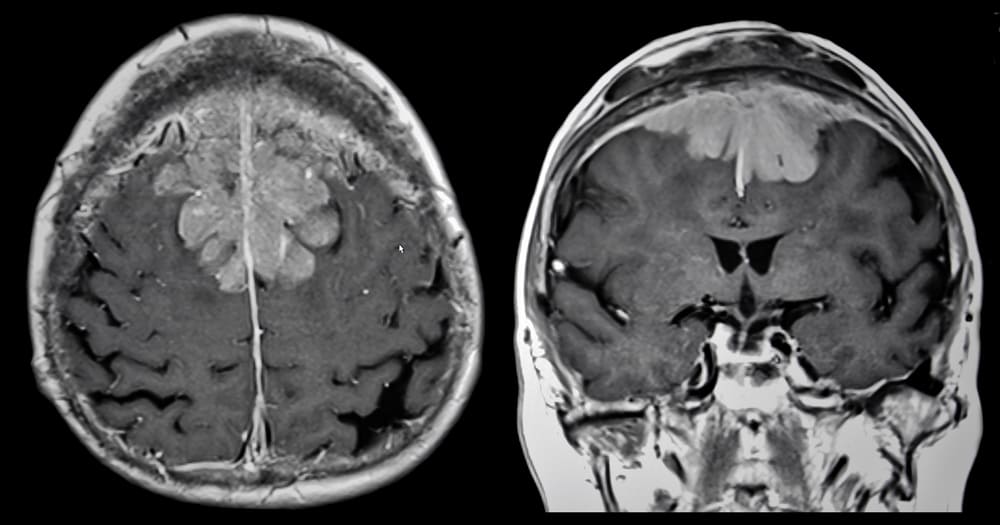
You need to know, brain tumors cannot spread to other organs because brain tumors do not have the same access to blood flow caused by tumors in other parts of the body. But, this still needs to be watched out. It is important for you to detect brain tumors quickly if you experience symptoms.

Unfortunately, ignorance often makes a person unaware of the symptoms of a tumor. As a result, the tumor is only known after enlarging and begins to show symptoms that interfere with health.

Types of brain tumors

Brain tumors are classified into several categories, quoted via braintumor.org:

– Benign, is the least aggressive tumor type. Benign brain tumors come from cells in or around the brain, do not contain cancer cells, grow slowly, and have clear boundaries that do not spread to other tissues.
– Malignant, is a type of tumor that contains cancer cells, grows fast, can attack brain tissue around it, and has no clear boundaries.
– Primary, is a type of tumor that starts in brain cells and can spread to other parts of the brain or to the spine. Primary brain tumors usually rarely spread to other organs.
– Metastasis, is a type of tumor that starts in other parts of the body and then spreads to the brain.

What are the symptoms?

Some tumors have no symptoms until they are large enough and then cause a serious and rapid decline in health. A common initial symptom is a headache – so many people ignore these symptoms because they think it’s a normal headache.

Symptoms of brain tumors vary because they adjust to the type of tumor and its location. Here are some symptoms of brain tumors that you need to know:

– Seizures
– Change in speaking or listening
– Changes in vision
– Numbness or tingling in the arms or legs
– Disorders of remembering
– personality changes
– Difficult to concentrate
– Weakness in one part of the body

What is the diagnosis of brain tumors?

For each symptom you feel, you need to consult with a doctor to get the right diagnosis. In diagnosing a tumor, the doctor will start by asking questions about the symptoms you feel, as well as looking at your personal and family health history. After that, the doctor will do a physical examination, including a neurological examination.

If the doctor suspects the possibility of a brain tumor, the doctor will do one or more of the following tests:

– Scanning of the brain – often with MRI – to see detailed images of the brain.
– Angiogram or MRA which involves the use of dyes and X-rays from blood vessels in the brain to look for tumor signs or abnormal blood vessels.
– Biopsy to determine whether the tumor is at risk of becoming cancerous or not.

Can it be treated?

Tumors are usually treated surgically. But if the location of the tumor is in the brain, surgery cannot be done.

Some ways to treat brain tumors is to do chemotherapy or radiation therapy to kill or at least shrink tumors that develop in the brain. But if the location of the tumor is deep within the brain – so that it is difficult to reach, then the treatment that can be done is by Gamma Knife therapy, which is very focused radiation therapy.

Before you do treatment, you should discuss with your doctor about possible side effects of each treatment taken.

Symptoms of Typical Heart Disease in Women

Symptoms of heart disease are not always the same in women and men. If it is not recognized by women and their doctors, this difference can endanger women who have heart disease.

In standard cardiology textbooks, most of the discussion is for the description of symptoms that commonly occur if a person has heart disease. In most cases, this “general” symptom turns out to be a description of the symptoms commonly experienced by men.

However, although many medical textbooks may find symptoms of heart disease in women including “infrequent”, in fact there are more women who die of heart disease than men today. So maybe the more statistically correct is the symptom of heart disease in men who can actually be called “rare”.

If you are a woman, who has symptoms that may be related to heart disease, you should visit a doctor. The following are some ways to distinguish symptoms in men and women.

Angina
Angina is not always the same as chest pain in women. Angina is usually described as depressed chest pain that may spread to the jaw or shoulder, and in men these symptoms are usually the same. However, many women with angina will report a hot or burning sensation, or soft to the touch, which may occur on their back, shoulders, arms, or jaw. Plus, they often don’t experience chest problems at all, so they will rarely suspect heart disease as a cause.

Careful doctors will think about the possibility of angina in each patient (male or female) which describes discomfort anywhere above the waist, which appears during heavy activity.

However, because too many doctors continue to believe that coronary artery disease is rare in women, they may regard the symptoms as muscle and bone pain, or digestive problems, or even emotional disorders.

Moreover, women are far more susceptible to angina than men when their coronary arteries actually appear “normal” during cardiac catheterization. They are often told that their symptoms are only caused by a gastrointestinal disorder (or worse, that their symptoms are only in the mind), while in reality they have significant heart problems.

Heart attack
Heart attacks and acute coronary syndromes may also be different in women than men. Usually, women who have a heart attack will experience nausea, vomiting, indigestion, shortness of breath, or just suddenly and extreme fatigue – but don’t experience chest pain.

Unfortunately, doctors easily associate these symptoms with other diseases. Women are also more prone to stealthy myocardial infarction – that is, a heart attack without acute symptoms at all, which is only diagnosed if the next heart attack symptom appears.

Time to look for medical help
Because the symptoms of a heart attack in women may not be the same as those written in the book, how do you know that you need medical help for symptoms that might be related to your heart? The rules you must follow are very simple – if you think the symptoms are related to the heart, visit a doctor.

Go to a doctor or emergency room as soon as possible if you experience the following symptoms:

Pain, pressure, heat or pressure on the chest, jaw, shoulders, back, or arms, lasting 5-10 minutes
Breath short for no reason for 5-10 minutes
Irregular heartbeat accompanied by dizziness
Quickly ask to be taken to the hospital if you experience symptoms:

Short breath for no more than 5-10 minutes
Nausea, vomiting, or sudden severe digestive disorders
Suddenly sweating for no apparent reason
Extreme fatigue for no apparent reason
Loss of consciousness or fainting, and
Feeling suddenly panic without cause
Again, the key is listening to your body, and following your instincts. If you experience symptoms that interfere in any way, which may even be related to the heart, consult a doctor. If the doctor ignores you, this is a reflection on the doctor, not you, and is a sign that this is the time to find a new doctor, who will do everything necessary to find the cause of your symptoms.