5 Sex Lubricant Products that Endanger the Vagina

5 Sex Lubricant Products that Endanger the Vagina

When aroused, it is normal for women to experience a wet vagina. But, some women can also have vaginal dryness when excited. Dry vagina can cause sex to be an unpleasant experience. It’s time for lubricants, aka sex lubricants, to be your savior on the bed.

Sex lubricants serve to wet vaginal tissues and vulva to mimic and enhance the body’s natural lubricating effects, and allow women to have friction-free sex. Some lubricants can also stimulate arousal and increase sexual pleasure. Some others double as sperm killers.

But be careful, wrong, your sex lubricant products can destroy the natural salt and pH balance of the vagina and make you at high risk of contracting bacterial vaginosis or vaginal fungus. Here is a short list of some chemicals that should be avoided in your sex lubricant

Hazardous chemicals in sex lubricants that can threaten vaginal health
1. Glycerin
Glycerin, sugar alcohol, functions to increase the viscosity of the lubricant. Glycerin is a moisture guard agent that absorbs water from a substance, so the presence of glycerin in sex lubricant products will cause the liquid texture of the lubricant to become thicker and stickier.

High glycerin levels in lubricants are not a good sign. Too much sugar alcohol can increase candida colonies, which can lead to vaginal yeast infections and urinary tract infections in women who are susceptible to this disease.

2. Petrochemicals – propylene glycol, polyethylene glycol, and petroleum
Most oil-based lubricants or functions are made with basic petrochemicals, which are chemicals derived from petroleum.

Actually, there is no need to really use a type of heater. The sexual arousal that you receive from stimulation can cause swelling and natural warming of the sexual organs, so you no longer need to add chemicals in the vagina to make it heat burning. In addition, sex lubricants that contain petrochemicals can coat your skin so that it disrupts the normal function and absorption of the liquid. Propylene glycol, in particular, can cause vaginal tissue irritation.

This type of lubricant may also contain foreign particles that are suspected of having links to various health conditions, including cancer. Petroleum base material can be found in many common multipurpose lubricants, such as petroleum jelly.

3. Preservatives – parabens, benzyl alcohol, phenoxyethanol, and citric acid
Many people have had bad experiences with sex lubricants that make the skin heat or cause itchy rashes, or feel really sticky during or after use, and that is caused by preservatives.

Parabens and phenoxyethanol are synthetic preservatives intended to kill germs. This preservative is quite dangerous because it can be easily absorbed into the body and mimic estrogen in your body. High concentrations of these preservatives have been linked to skin irritation, poisoning, reproductive damage, immune attenuation, and reduced nervous system function in newborns. Parabens, in particular, may be associated with an increased risk of breast cancer.

4. Benzocaine
Benzocaine is a local anesthetic that can numb the affected area, and is commonly found in lubricants that target anal sex or other experimental sex. Benzocaine in your sex lubricant signals danger. Pain is important to us, because this is the way the body warns you to stop when you feel a threat. If you become numb and continue with this painful sex, you can end up having an injury, experiencing a tear in the vaginal smooth tissue, and other problems.

5. Spermasida nonoxynol-9 (N-9)
Research has shown that N-9 can cause injury. Wounds can appear in the vaginal canal, in the anus, and on the penis. Because open wounds will expose body fluids, such as blood, there is an increased risk of transmission of HIV and other sexually transmitted diseases from sex lubricants that contain spermicide. Spermicide lubricants are also not recommended for use during anal sex.

Spermicides also disrupt the normal bacterial population in the vagina and urethra. There is an increased risk for women to contract urinary tract infections when using sex lubricants containing spermicide.

Then, what sex lubricants are good to use?
When buying sex lubricants, consider choosing organic products, specially formulated to not cause irritation because receptive mucous membranes in the vagina and vulva easily absorb lubricating ingredients into the body.

“The best sex lubricant is an iso-osmotic type, meaning that the product matches the conditions in the vagina – does not add or reduce water from tissue cells or interfere with healthy vaginal bacteria,” said Wendy Strgar, founder of Good Clean Love, a sexual health company , reported by Prevention.

Over the years, health experts have warned the public to avoid using oil-based lubricants. Oil is destructive to latex rubber, causing the condom to tear quickly. Only silicone and water based lubricants are safe to use with latex condoms. What’s more, there is no point in using body lotion, petroleum jelly, or cooking oil as an “alternative” sex lubricant. Oil is not intended to be inserted into a person’s vagina or rectum….

How to Get Rid of Vaginal Odor Naturally

One of the problems commonly encountered by a woman is the vagina that emits an unpleasant aroma. This makes many women wonder how to get rid of odor in the vagina.

Keep in mind, odor in the vagina sometimes still appears even though it has often been cleaned. Usually the smelly vagina is caused by a combination of vaginal secretions, apocrine, accrine sweat, and external factors such as urine or feces.

How to remove odors in the vagina is appropriate to know, given the cleanliness and condition of a healthy and fragrant vagina also determines satisfaction during sexual intercourse.

At present, many special soap products for women can be used as a way to eliminate odors in miss v. However, you should also know first why the vagina can smell unpleasant before determining how to get rid of vaginal odor.

First, the vagina can smell strong because of consumption of certain foods. Consumption of foods with a pungent odor such as garlic can make urine excretion to smell and it will cause some further effects, namely the vagina becomes smelly.

In addition, the pungent odor in the vagina can also be caused by infection or venereal disease such as excessive vaginal discharge. In fact, underwear material that does not absorb sweat well and the use of excessive cleansing soap can also trigger the appearance of odors in the vagina.

List of Ways to Get Rid of Stinging Vaginal Smell
Although the risk of vaginal odor can be experienced by every woman, from now on you do not worry too much, because there are many ways to eliminate natural vaginal odor that can be done easily.

Here are some ways to get rid of miss v which you should know, including:

1. Eliminating the smell of Miss V with basil leaves
The first way to get rid of odor in the vagina is to use basil leaves. Basil leaves contain euganol which can kill germs and fungi that cause odor in the vagina.

In addition, the content of essential oils in basil is also able to scent the vagina. However, you should not use basil leaves like soap which is immediately rinsed in the vagina because it can make the vagina dry.

In order to get optimal results, basil leaves can be eaten directly or processed into drinks. As a treatment, the water from the collision of basil leaves can be consumed every day. After seeing positive results, you can consume basil juice every two weeks.

How to get rid of vaginal odor by using basil can be a powerful way for Miss V to be fragrant. However, basil is not recommended for gout sufferers because it can worsen the disease.

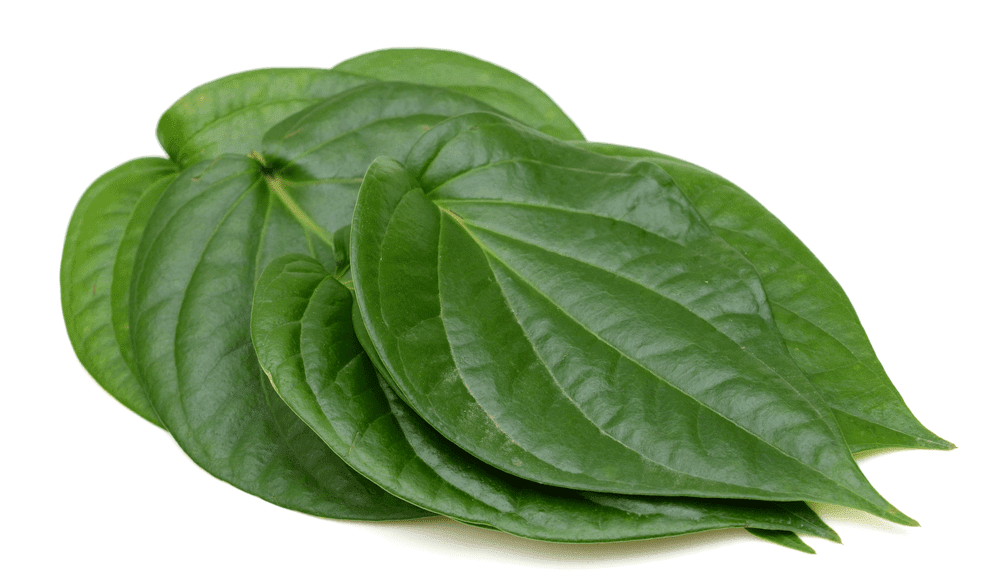
2. Overcoming Smelly Vagina using betel leaves
The second way to get rid of odor in the vagina is to use betel leaves. Betel leaf also contains euganol and antiseptics which are useful for disinfecting the cause of a pungent odor in the vagina. Processing betel leaves as an alternative way to overcome miss v odor is also very easy.

You only boil 5-10 betel leaves in 350 cc of water and leave it to half. Then rinse the vagina with boiled betel leaf water that is cold every morning and before going to bed.

Do how to remove vaginal odor with betel leaves 3 times a week to get a fragrant and rough vagina. Apart from being able to bring a positive effect, this method of eliminating odors from miss v also does not take as much cost as if you do special treatment for the vagina with certain drugs or ingredients.

How to get rid of vaginal odor with betel leaves has been known for generations. Betel leaf is also widely used as an active ingredient for vaginal cleansing soap, because using betel leaves can prove to be a powerful way to eliminate bad odors on miss v.

It’s just that, usually vaginal cleansing soap is also mixed with other fragrances such as the scent of flowers so that this soap can be an alternative way of eliminating odors on miss v which is more effective and fast.

Pandan leaves
The next way to eliminate vaginal odor is to use pandan leaves. You may have seen or used a lot of pandan leaves as an ingredient giving flavor and aroma to the cuisine. However, who would have thought that pandan leaves also keep hidden properties.

The use of pandan leaves can be a way of removing odors in the vagina. Pandan leaves also contain euganol and essential oils which can make the vagina more fragrant.

However, how to get rid of odor in the vagina with pandan leaves not by boiling and then used to wash the vagina, but processed into a drink.

The trick, take 10 pieces of pandan leaves that have been washed and stacked until smooth. Strain the smooth leaves to take the juice. Mix a little salt and one teaspoon of honey to make it more delicious. Drink pandanus juice every day before going to bed for two weeks. After obtaining the appropriate results, it is enough to consume 2-3 times a week.

Aloe vera
Who would have thought that using aloe vera could also be a powerful way to get rid of vaginal odor? How to get rid of the smell of miss v by using aloe vera is quite easy, but you still have to pay attention to the procedure.

The use of aloe vera to scent the vagina should not be immediately rinsed into the intimate organs because it can dry the vagina. Aloe vera should be processed into drinks.

How, mash the aloe vera that has been washed until smooth. Add a little honey to make it more delicious to drink. Drink every day for 2 weeks before going to bed. If you have the desired results, you can drink 2-3 times a week.

Well, that’s a variety of ways to get rid of natural vaginal odor that you can do. Good luck.

3 Harmful Bacteria That Cause Sex Problems in Your Vagina

3 Harmful Bacteria That Cause Sex Problems in Your Vagina
As you already know, venereal disease is a disease that attacks a person’s sex organs. This type of disease is usually transmitted by sexual activity, so it is called a sexually transmitted disease. The effects vary, from starting itching, pain to causing infertility or infertility.
Of course this is very unpleasant for everyone who experiences it, given the very importance of genitals for humans for reproduction. However, do you know what causes venereal disease?
Most causes of venereal disease are bacteria
There are various types of organisms that are the cause of venereal disease, namely fungi, viruses, and bacteria.
However, in general, bacteria are the main cause that attacks a person’s sex so that it can cause disease. Bacteria that cause venereal disease vary, causing different symptoms.
As you know, bacteria are the smallest organisms that can only be seen through a microscope. Bacteria will attack the body’s cells so that they can double their numbers. The cells that are attacked will lose their function and cause symptoms and signs of disease in the genital tissue.
What are the bacteria that cause venereal disease?
1. Chlamydia trachomatis causes chlamydia
Chlamydia trachomatis causes chlamydial disease. Chlamydia trachomatis belongs to the genus Chlamydia and has an irregular shape. He needs a host in other living cells, so that these bacteria cannot live outside the body of living things. This is why these bacteria like to attack column epithelial cells in the cervix (cervix), urethra, and rectum in humans.
This bacterium infects 131 million people globally per year. This number is only a rough estimate, because chlamydia generally does not produce typical symptoms. This causes people not to know whether they have been infected with this disease or not.
Even if symptoms arise, they are often misunderstood as other common diseases such as genital pain, vaginal discharge or discharge from the penis.
Other symptoms that can be caused by chlamydia are fever, vaginal or testicular swelling, lower abdominal pain, abnormal vaginal fluid, abnormal discharge from the penis, pain when pee, and pain during intercourse.
Remarkably, chlamydia not only infects the genitals, but can also infect the eye and cause inflammation of the lining of the eye (conjunctivitis). This occurs if the infected vaginal or sperm fluid is affected by the eye.
These bacteria can only be infected through sex and not because of other reasons, for example using public toilets or using towels of people who are infected.
2. Neisseria gonorrhae causes gonorrhea or gonorrhea
Neisseria gonorrhae is a bacterium that causes gonorrhea or commonly called gonorrhea. These bacteria include the type of gram-negative bacteria that are shaped kokus or round. Usually, these bacteria attach to two-two so called diplococcus.
These bacteria can easily multiply on mucous membranes such as in the mouth, throat and anus and in genital organs such as the cervix, fallopian tubes and uterus.
People with gonorrhea can have signs and symptoms such as pain or heat sensation when urinating, gonorrhea, sore throat, pain in the genitals to swelling or redness in the male pee hole.
3. Treponema pallidum causes syphilis or lion king
Treponema pallidum is a kind of spiral negative gram bacteria. This bacterium causes syphilis or commonly called the lion king. Like the other two types of bacteria that cause sexually transmitted diseases, these bacteria are also gram negative bacteria. The bacterium that causes syphilis was discovered initially in 1912 in Japan by Hideyo Noguchi.
Syphilis or the lion king has long been feared by people, because its widespread effects can even cause permanent damage to vital organs such as the brain and heart. In addition, syphilis can also be transmitted from mother to child in her womb. This is called congenital syphilis.
The initial symptoms of this disease are ulcers in the genitals, anus, or mouth, but not painful. These ulcers will usually heal within five weeks. Then fever, headache, own pain, sore throat, swollen lymph glands in the armpits, thighs or neck appear a rash on the penis, vagina or mouth and palms and soles of the feet. This stage can last for years.
Then, over the next 10 to 40 years, syphilis does not produce typical symptoms until damage to the brain and heart arises. Of course this can be fatal if not detected at the beginning. How to prevent it immediately consult a doctor if a rash appears in your groin area.
How to protect the vagina from bacteria that cause venereal disease?
Bacteria can live and develop in the vagina. Your vagina is a place that is suitable for bacteria because of its humidity.
One way to prevent the transmission of bacteria that causes venereal disease is to always have sex when your partner uses a condom. Condoms are the only contraceptive that can prevent transmission of sexually transmitted diseases.
It is also important to keep your genital area clean after sex.
The vagina is a place that supports the proliferation of bacteria, especially during menstruation. Therefore, you can use a female cleanser containing povidone iodine to clean the outside of the vagina. With the content of Povidone-Iodine 10%, this liquid effectively kills bacteria that cause venereal disease.

Dry Vagina After Childbirth? Here’s how to deal with it

Dry Vagina After Childbirth? Here’s how to deal with it
Dry vagina after giving birth is normal. Indeed, this makes you uncomfortable or feels sick when having sex again with your partner. However, hormonal changes that occur after you give birth also cause vaginal dryness to occur. A dry vagina may not be avoided by some women, but you can overcome it.
What causes vaginal dryness after giving birth?
Normally, the vaginal wall is lubricated with liquid. Lubricating fluid on the vaginal wall is affected by the hormone estrogen. In addition, the hormone estrogen is also needed for sexual arousal because it helps increase blood flow to the genitals. This makes you feel comfortable and not sick when having sexual relations.
However, after you give birth, the hormones estrogen and progesterone drop dramatically. Moreover, if you breastfeed, the hormone estrogen will decrease further because high estrogen can interfere with the production of breast milk in the body. This decrease in estrogen levels causes vaginal dryness.
Vaginal tissue can also be thinner, less elastic, and more easily injured. The vagina can become inflamed, so you feel the vagina like heat and itching. Having sexual intercourse when vaginal dry can cause you to feel pain, it can even cause vaginal bleeding.
How do you deal with vaginal dryness after giving birth?
Dry vagina is a disturbing thing if you want to have sexual relations with your husband. However, don’t worry because you can do things like below to deal with vaginal dryness.
1. Use lubricants when you have sex
Because your vagina does not produce enough natural lubricants after giving birth, you need a lubricant to deal with vaginal dryness. Lubricants are very helpful during sexual intercourse when your vagina is dry. Penetration when you don’t use lubricants can cause you to feel pain, discomfort, and injury to the vagina.
Choose lubricants that are water-based because they are safe for your body. If your partner uses a condom, you should avoid petroleum based lubricants because they can damage the condom. Also, avoid using petroleum jelly or lotion as your vaginal lubricant. These products usually contain perfumes and chemicals that can cause serious infections in your vagina.
2. You can also use vaginal estrogen cream
The use of vaginal estrogen creams, such as conjugated estrogen or estradiol can help you deal with vaginal dryness. However, before deciding to use it, you should discuss it first with your doctor.
3. Avoid using douches and special vaginal scented soap
The use of douche (pubic cleansing spray) and scented soap to clean the vagina can actually irritate sensitive vaginal tissue. The chemical content in these ingredients can interfere with natural chemicals in your vagina. The use of a vaginal cleansing spray containing vinegar or baking soda is actually not good for vaginal health. Simply clean your vagina with warm water and soap without perfume.
4. You can do foreplay longer
A few weeks after you give birth, your body may take longer to produce natural lubricants in the vagina. Therefore, longer foreplay may be needed to produce more natural lubricants in the vagina. This of course can help relieve your dry vagina. In addition, you can try different techniques and positions to provide comfort when you have sex.
5. Keep hydrating your body by drinking lots of water
Nursing mothers need more water. If you only consume a little water when you are breastfeeding, you will be more likely to experience dehydration. Dehydration can make vaginal dryness worse because the body prioritizes the distribution of fluids to important organs. Therefore, you should keep your liquid intake at least 8-10 glasses per day or it may also be more dependent on your needs. Follow the signals given by your body, drink when you feel thirsty.
6. Consume foods with balanced nutrition
Eating foods with balanced nutrition can help you increase the production of natural lubricants in the vagina, so that it can help overcome vaginal dry problems. High intake of fatty acids is highly recommended for you. Fatty acids can help produce vaginal natural lubricants. You can get fatty acids from the consumption of fatty fish (such as salmon, tuna, mackerel), sunflower seeds, and sesame seeds.
In addition, you are also advised to consume lots of foods that contain isoflavones. Isoflavones can help regulate hormone levels, so they can also overcome vaginal dry problems. You can find isoflavones in cherries, apples, nuts, soybeans, celery, and flaxseed.
7. Increase your vitamin intake
Some vitamins play an important role in maintaining vaginal flexibility and relieving dry vagina. Instead, try to always meet the needs of vitamin A, vitamin E, and vitamin B complex in an effort to deal with vaginal dryness.

Beware, Often Use Betel Soap Even Unhealthy for the Vagina

Beware, Often Use Betel Soap Even Unhealthy for the Vagina
In addition to giving fresh feeling to the female organs, vaginal cleansing betel soap is claimed to be able to eliminate unpleasant odors in your vaginal organs. In addition, this soap is often used to wash vaginal organs during menstruation or even when not menstruating. But, is it true that cleansing soap containing betel is good for the vagina?
Is my vaginal odor normal?
Some women say they feel very clean and rough when using betel soap which is used to clean the vagina. The number of ads for vaginal cleansing betel soap that claims to make your intimate organ area fragrant, becomes one of its own attractions for women.
In fact, it is natural that the vagina emits a certain aroma, so do not worry about it excessively. It’s just that you need to pay attention if your sex organs begin to emit a sharp aroma or fishy because this can indicate symptoms of a health problem.
Especially if the vagina starts to remove spots abnormally, symptoms of itching and a heat sensation arise, and show signs of irritation. If this happens, it’s better to see a doctor immediately.
In the normal vaginal area there are bacteria that are not harmful if in limited quantities, called lactobacillus. These bacteria are actually useful for maintaining the acidity of the vaginal pH which ranges from 3.8-4.5, and prevents pathogenic bacterial infections.
Do you need to wash your vagina with betel soap?
The use of vaginal cleansing fluids is actually not needed because the wrong usage rules actually increase the risk of pH imbalance or bacteria in the vagina and cause infection.
Betel is known to contain several antibacterials that are useful for preventing infection, it’s just not recommended to use it every day. Betel soap is recommended for use during vaginal discharge that interferes with and during menstruation, noting that there are no injuries to the vagina and not used only on the outside of the vagina.
It should be noted, too, that feminine cleansers containing perfumes tend to irritate especially for sensitive skin. Therefore, you should look for feminine cleansers that do not contain perfume.
A safe way to use betel soap
If you want to use vaginal cleansing fluids, such as betel soap, you should only use it occasionally, it doesn’t need to be routine every day, and use the liquid only for the outside area of ​​the vagina or around it.
Avoid using it to add betel soap to the vagina. Cleansing the vagina is enough to keep it moist because damp conditions pose a risk of fungal infections. Avoid using underwear too tight, scented cleaning products or perfumes, both sanitary napkins or soap, because it can cause vaginal irritation.
Clean the vaginal area from front to back to avoid germs from the anus entering the vagina. And when you menstruate, you should regularly change pads at least 2-3 times a day.
How to safely clean the vagina?
According to health experts including the American College of Obstetricians and Gynecologists (ACOG), you are advised to stay away from vaginal cleansers that contain soap, including betel soap. Let the vagina have a normal odor. Except for the record, the unpleasant smell is very strong which indicates infection. If this happens, you should immediately see a doctor to consult.
Simply reduce vaginal odor by controlling the bacteria naturally. Clean the intimate organs with warm water, every time you take a shower. Avoid soap with hard chemicals and perfumes.
If you want to use feminine cleansers to expel fungi, bacteria, and parasites that cause vaginal infections, choose special female antiseptics containing povidone-iodine. Use this feminine cleanser on the outside of the vagina.
Be sure to clean the intimate organs from front to back and not vice versa to prevent microbes from the anus from spreading to the vagina and urinary tract. Do the same thing when you have finished defecating or defecating, and don’t forget to always dry your intimate organs before you wear underwear.

In addition to the vagina, these 6 limbs can also get fungal infections

In addition to the vagina, these 6 limbs can also get fungal infections
Various types of bacteria and fungi live and grow on your skin. Most are harmless, but they can also breed wildly which can eventually cause disease. Although generally fungal infections appear in the vagina, this infection can also appear in several other body parts. Then, anywhere? See the explanation in this article.
The body parts that are most often affected by fungal infections
1. feet
Feet is one part of the body that is susceptible to fungal infection. Because the body part of this one always comes in contact with various environmental surfaces at any time. In medical terms, a fungal infection affecting the foot is called tinea pedis or athlete’s foot (athlete’s foot). For Indonesians, this condition is better known as water lice.
The typical symptom of water lice is the presence of fluid-filled sponges that generally appear between the toes. In addition, water lice also cause itching, burning, dry or flaking skin, and red rashes.
If you scratch or touch the infected part, the infection can spread to your hands. It can also infect your nails. When the infection has invaded the nail, it will be more difficult to overcome because the nail is immune to drug substances. That is why treating this infection completely and preventing its reappearance is very important.
2. Mouth
Mouth fungal infections are usually caused by albicans candida fungi. This fungus is already present in the mouth, digestive tract and skin, only the amount is very small. Unfortunately, certain diseases or drugs such as corticosteroids or antibiotics can disrupt the balance of fungi and bacteria that cause fungi to multiply uncontrollably. Well, this is what causes fungal infections.
Fungal infections in the mouth are characterized by lesions or white patches in the mouth area such as the tongue, throat and mouth wall. Not only that, fungi in the mouth can also appear in the tonsils, palate, gums, and even the back of the throat. This infection can cause pain and can bleed if you are hit by friction, for example when brushing your teeth.
Mouth fungal infections most often affect infants. Even so, this infection can also affect anyone. Especially those who are taking corticosteroid inhalants (asthma drugs), antibiotics, and those who have a low immune system.
3. Armpit
In the medical world, armpit fungal infections are referred to as intertrigo. Intertrigo usually appears on areas of the skin that have folds, such as the armpit, groin area, and the lower part of the breast or abdomen.
Intertrigo is skin inflammation which can be caused and exacerbated by many factors. This includes moisture, hot weather, lack of air circulation in the armpit (for example, wearing clothes that are too narrow on the arm), to friction between the folds of the skin.
Fungal infections in the armpits are more common in hot weather when the air feels hotter and humid, so sweat accumulates in the folds of the skin. Well, this creates an ideal environment for bacteria and fungi to grow rapidly.
4. Breasts
If you are breastfeeding and feeling itchy around the breast, it could be a fungal infection. Because, fungal infections can occur and develop in the mother’s breast. The reason is due to uncontrolled growth of candida mushrooms.
Fungal infections in the breast can occur because the breastfeeding process creates the perfect environment for the fungus to develop in the breast. Conditions that are warm, moist, and sweet make the breast the most preferred location for mushrooms to thrive.
5. Groin
Groin is the most appropriate place for mushrooms to breed. In the medical world, fungi that develop in the cell are known as tinea cruris. Tinea cruris is a skin disease caused by fungi that grow in the groin around the groin, anus, buttocks, and sometimes to the lower abdomen.
This infection occurs because you often use wet and damp underwear. In addition, sharing towels with people who are infected and rarely bathing can also increase your infection.
6. Penis
Not only in the vagina, fungal infections can attack a man’s penis. Although fairly rare, you should never underestimate this infection. Fungal infections in the penis can occur if men tend to have unprotected sex and not keep their penis clean. Just like the vagina, the penis which is often in humid conditions also has a high potential to cause fungal infections.

Causes of Bloody Vagina After Sexual Relationship

Causes of Bloody Vagina After Sexual Relationship
Vaginal bleeding is not foreign to women. Every month we experience it in the menstrual period. Bleeding vagina is also common (though not always) the first time a woman loses virginity. But what about when blood comes out of the vagina after intercourse, even though you are no longer a virgin?
Some of the causes are often only mild things that need not be worried. But it also cannot be ignored, because there are several possible causes to watch out for.
What are the causes of vaginal bleeding after sexual intercourse?
1. Cervicitis
Cervicitis is inflammation of the cervix, located further down, the narrow end of the uterus and connecting to the vagina. Sometimes, there are no signs or symptoms shown when suffering from cervicitis. However, the symptoms found can be bleeding when you are not menstruating, and changes in the fluid that comes out of the vagina – like vaginal discharge. Other symptoms include pain during intercourse and bleeding from the vagina afterwards. Cervicitis can also occur when you have a sexually transmitted disease, such as chlamydia and gonorrhea.
2. Cervical extropion
A condition in which the inner lining of the cervix protrudes into the vaginal part. However, this is not identification as a condition that can cause cancer.
3. Cervical polyps
This polyp is a benign tumor with a small and long shape that grows on the cervix. Symptoms can include vaginal bleeding after intercourse, after menopause, and when you are not menstruating.
4. Dry vagina
This case can occur in women of all ages and ages. However, generally this is experienced by elderly women. Deficiency of the hormone estrogen is one of the triggers. Estrogen itself functions to help maintain healthy vaginal tissue, regulate vaginal vaginal lubrication, acidity and elasticity of the vagina. With a dry vaginal condition, it is very possible that friction during intercourse can cause bleeding.
5. Vaginitis
This is also an inflammation that occurs in the vagina, resulting in pain, itching, and abnormal discharge of fluid. The cause is in the form of an imbalance between good and bad bacteria in the vagina. Decreasing estrogen levels and menopause can also be the cause.
Another cause of vaginal bleeding after sex
There are several other causes that can cause bleeding after intercourse, such as:
Friction caused during sexual intercourse
Sexually transmitted infections, such as genital herpes and syphilis
Lack of lubrication in the vagina or skipping foreplay
Cancer of the cervix (cervix), vagina, or uterus (uterus)
When should I see a doctor?
You should see a doctor when bleeding persists. The doctor will conduct an evaluation and a series of tests, such as:
Women with irregular menstrual cycles can be asked to do a series of physical tests that emphasize the thyroid, breast, and pelvic area
Pap smear to determine the risk of cervical cancer
In premenopausal women, a pregnancy test is needed
A blood test to find out your blood count, if you experience excessive blood loss
Blood sampling test to evaluate thyroid, liver and kidney function
Blood test to determine the level of the hormone progesterone
Pelvic ultrasound is based on the woman’s medical history

Powder sowing on the vagina can trigger ovarian cancer?

Powder sowing on the vagina can trigger ovarian cancer?
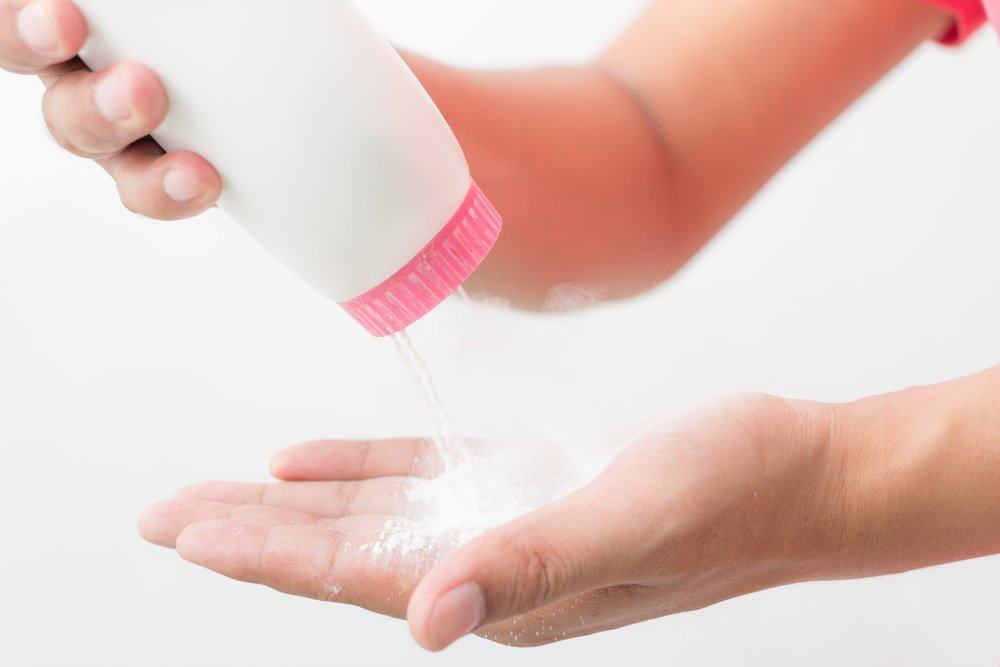
Powder has been used for generations as a baby fragrance as well as to keep the skin dry and avoid rashes. Some women also use powder in the vagina as a way to keep the vagina dry and fragrant. But behind his gentleness, powder saves secrets that are more troubling.
Based on a series of scientific studies and research collected since the last few decades, health experts are increasingly pushing women to no longer sow powder to scent their intimate areas. They voiced firmly that this habit can increase the risk of ovarian cancer by 20-30 percent. How come?
What is contained in powder?
Talcum powder is widely used in cosmetic products such as baby powder and body powder, facial powder, and in a number of other consumer products. Powder is also often used by women as a way to keep the vagina cool, rough, and free of odors.
Classic powder on the market contains talcum. Talcum is a fine grain produced from the process of crushing, drying, and grinding talc clay minerals. In its most natural form, talcum as a result of the mining process also contains other minerals, such as magnesium, silicon and asbestos.
The International Agency for Research on Cancer, part of the WHO, classifies talc as “likely carcinogenic to humans” based on studies of use in the genital area. Meanwhile, asbestos is known to be a rare trigger for lung cancer, especially if inhaled.
How can powder on the vagina cause ovarian cancer?
Even though all commercial powder is guaranteed to be free from asbestos, this powder still contains super fine talcum fiber which takes years to dissolve. Scientists believe when powder is sprinkled into the genital area (into panties; or on the pantyliner surface), the fine grains are carried into the body via the vagina – through the uterus and along the fallopian tubes to the ovary, creating buildup and triggering inflammatory reactions similar to the effects asbestos carcinogens in the lungs.
The Cancer Prevention Research study, which involved nearly 2,000 women, found no direct relationship between how much powder was used and the risk of cancer: use ranged from every day to only occasionally.
This study supports a number of other studies, including a 2003 analysis that combined 16 studies that found an increase in the risk of ovarian cancer by 30 percent among women using powder.
However, individually, even if a woman is at risk of ovarian cancer, the possibility of an increased risk of using powder is fairly small. A woman’s average lifetime risk of ovarian cancer is less than 2%, so a 30% increase will only slightly increase your risk.
On the other hand, many experts argue that research like this can be biased because it is more likely to rely on the relative memory of the respondents of the study of the history of the use of powder from previous years.
What can I do to avoid the risk of ovarian cancer?
Talc is widely used in many cosmetic and personal hygiene products, so it is important to determine whether the increase in risk is real. If you are worried about using products that contain talc, the best protection is to limit your exposure.
As suggested by the American Cancer Society, corn starch-based cosmetic powder products may be a safer alternative because until now there is no evidence linking cornstarch powder to the development of cancer.
If you have a problem with a moist vagina, especially when menstruating or experiencing vaginal discharge, do not use powder at all. Simply clean your vagina with warm water, at least twice a day, to expel germs and bacteria.
You can also use feminine cleansers containing povidone-iodine to prevent vaginal infections, especially during menstruation. After washing the vagina, do not forget to always dry it first before wearing back underwear.
To keep the vagina dry. If you are prone to sweating in the vaginal area, doctors recommend wearing cotton-based clothing and frequently changing clean underwear, avoiding wearing tight pants, or even removing panties during the night’s sleep (to give your intimate area a chance to breathe).
Lastly, it is important to note that based on the above research, powder is not the only direct actor of cancer of any kind, but it is highly suspected that it can worsen the risks and symptoms. Every woman diagnosed with ovarian cancer is urged to consider the possible interconnectedness of the disease with a history of using powder.

3 Safe and Effective Ways to Close Your Vagina

3 Safe and Effective Ways to Close Your Vagina
One problem that is often experienced by women but shame is expressed is a vagina that is not as close as before. Actually, this problem is quite common and in most cases is a natural thing. However, a loosened vagina may make you not confident and not get maximum pleasure in bed. In addition, a vaginal tightness may cause conditions such as urinary incontinence. Well, you don’t need to worry. With proper care and technique, the vagina can be rejuvenated again. There are various ways to close your vagina that you can try. The following is a complete review of each method.
1. Gymnastics to tighten the vagina
The vagina can relax due to various things. It could be because the lower pelvic muscles in your vaginal area are weakened or because the vaginal skin layer is loosened. If during sex you do not feel the sensation of a vaginal bite that is strong enough, it could be the cause is your pelvic muscles are weakened. This may occur due to normal labor or the aging process.
To tighten the muscles around the vagina, you can do gymnastics at home. One of them is Kegel gymnastics. See the guide to doing Kegel exercises in this link. Apart from Kegel exercises, you can do simple exercises such as hip exercises, squats, and lift your legs. Routine doing these exercises can be a powerful vaginal tightening method.
2. Laser therapy
If the cause of your vagina relaxes is the natural aging process, you can consider laser therapy. With laser therapy, your vaginal skin layer will be “shot” with a special laser beam. Lasers will trigger collagen production in the skin. That way, the layers of skin and vaginal tissue will come back tight and supple as before.
Therapy to rejuvenate these female organs does not require any surgery or surgery. The process is very fast, which is only about 15 minutes. The laser shooter will be inserted into the vagina for four to six centimeters. The laser is then turned on or shot inside the vagina. This laser flame will penetrate into the vaginal wall approximately half a millimeter. This depth is enough to reach the skin layer which is responsible for producing collagen. The warmth of this laser beam will support the production of collagen and elastin, which are two types of protein substances that function to maintain the firmness and elasticity of the skin layer.
3. Maintain a healthy diet
One way to close the vagina is quite easy is to maintain a healthy diet. As mentioned earlier, the vagina can become loose due to the aging process. This aging process is caused by reduced collagen and elastin. Meanwhile, levels of collagen and elastin in the body will decrease due to free radicals that damage cells in the vaginal skin layer. To ward off and prevent free radicals, you must increase your intake of foods that are rich in antioxidants.
Foods that are rich in antioxidants are vegetables and fruits that are strong in color, whether very dark or very bright. Other food sources rich in antioxidants include nuts, mushrooms, fish, and yogurt.
Avoid consuming alcoholic beverages, foods containing hard chemicals or preservatives, and stop smoking. These are sources of free radicals that can interfere with levels of collagen and elastin in your female area.