How Can You Affect Vaginal Fungal Infections?

How Can You Affect Vaginal Fungal Infections?
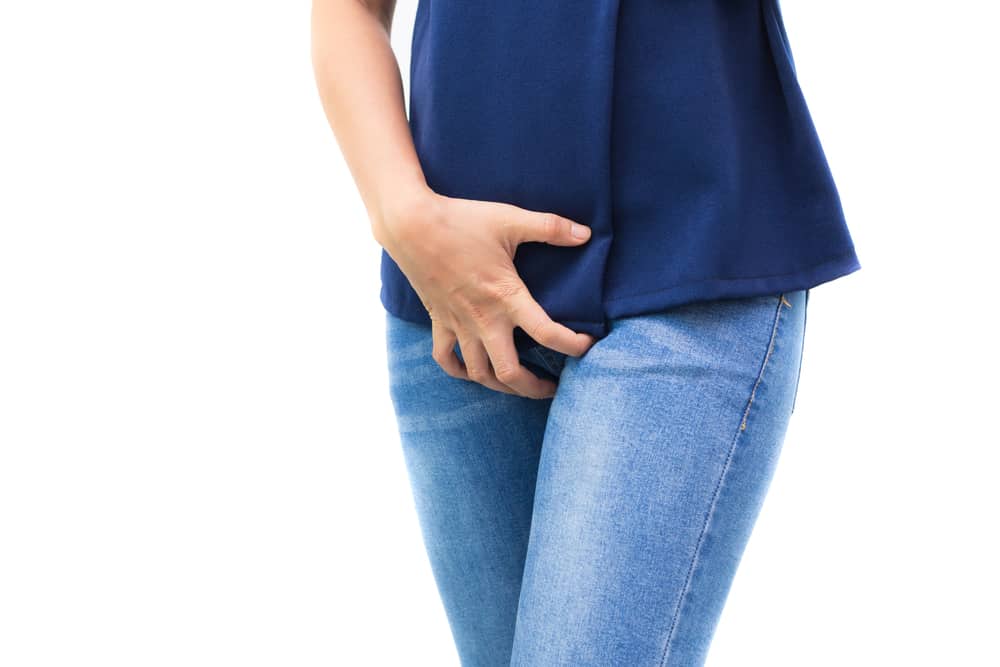
An itchy, red and smelling vagina can be a feature of your vaginal yeast infection. Not only on the skin, yeast (yeast) or mushrooms can indeed be found in human genitals, including in the vagina of a woman.
You can recognize the characteristics that start from the appearance of itching, there is a white liquid that comes out of the vagina, irritation to the labia (outside the vagina), even when you have sex. This infection is very common, although it does interfere with daily activities.
What causes vaginal yeast infections?
All women are at high risk for vaginal yeast infections. Be inflamed, this is caused by the use of antibiotic drugs that kill healthy bacteria in the vagina. This vaginal bacteria also has a function to protect the vagina. But, without bacteria, your vagina will be easy to grow with mold.
Another risk factor that can make you more prone to vaginal yeast infections is if you:
have diabetes
is pregnant
You are currently using birth control pills
You are on steroid therapy in the long term
excessive watering of the vagina
less nutritious food
lack of sleep
weak immune system.
How do vaginal yeast infections spread?
Generally, you can get vaginal yeast infections in two ways. There can be contracted through sex, there are also those who are infected due to lack of maintaining vaginal hygiene. Generally, fungi in the vagina can also spread through your partner, you know!
Yes, fungal infections in the vagina can spread when you have oral sex. If one of you has canker sores or your partner has a fungal-infected penis, it can increase your risk of fungal infections.
Moreover, if you are women often change sex partners. This can cause vaginal pH to change, and eventually many fungi or bacteria are left in the vagina.
In the end, your vagina can become infected with fungus. Also recommended, after having sex, women are required to urinate immediately. In fact it can help other bacteria or fungi not remain in the vagina.
How do you prevent vaginal yeast infections?
The American College of Obstetricians and Gynecologists (ACOG) encourages women to avoid spraying water directly into your vagina. That’s because it can kill good bacteria in your vagina, which helps balance yeast in your vagina. Conversely, women are advised to clean the vagina with feminine cleaning products containing Povidone-iodine.
Also, if you like wearing tight panties, or those made of nylon and polyester, it can hold back the moisture of the vagina. As a result, yeast or mushrooms can grow in a dark, damp place in your agina. Therefore, experts recommend that women wear wearing cotton, or at least cotton underwear in the groin area. Cotton can make more air flow to your genital area.
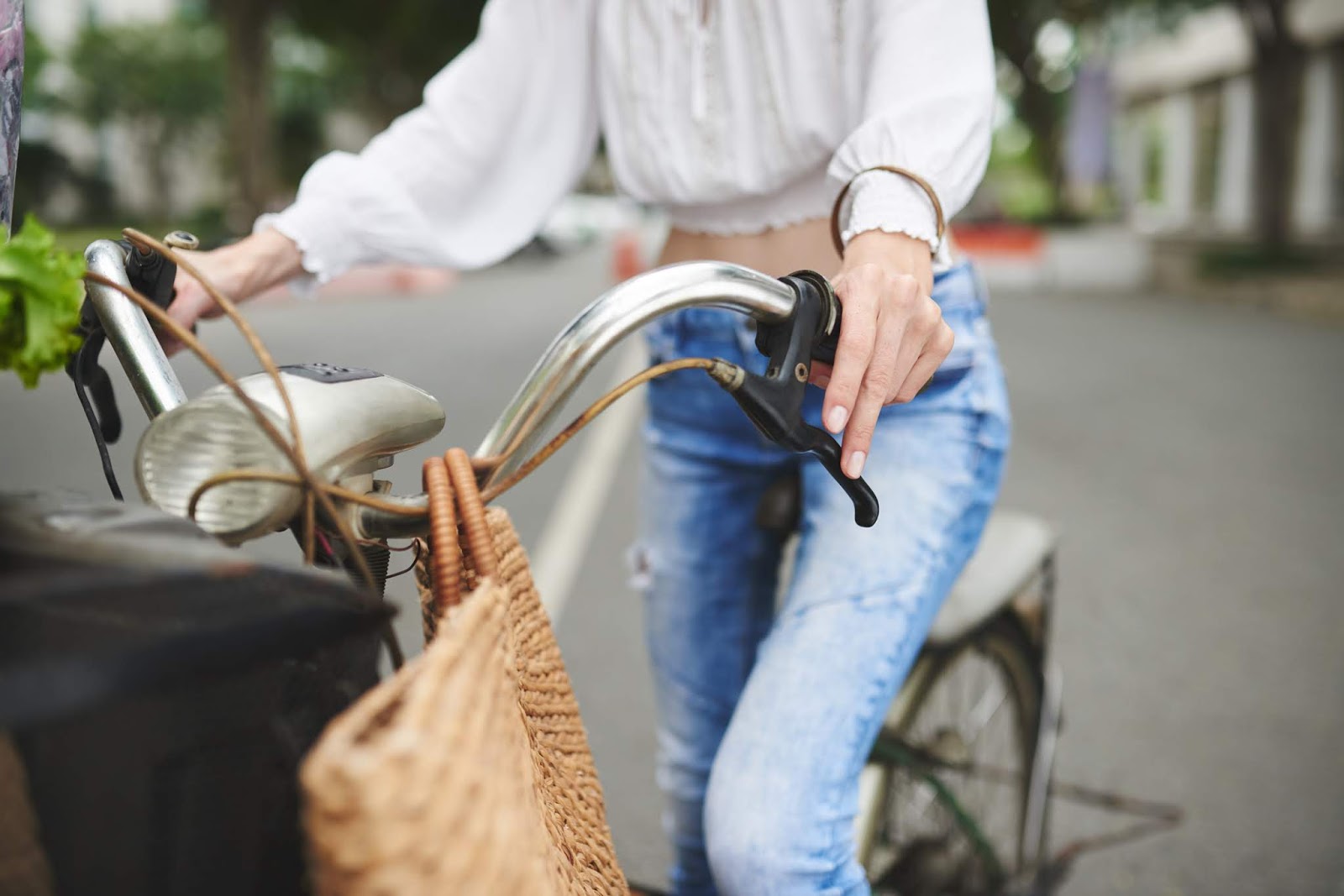
8 Tips for Maintaining Vaginal Health If You Cycling Often

8 Tips for Maintaining Vaginal Health If You Cycling Often
You who often ride a bicycle may be familiar with the sensation of pain or numbness in your intimate area after cycling. Cycling can indeed make the vagina hurt, but that does not mean that this type of healthy exercise is not recommended for women. You can, prevent vaginal pain when cycling. Check out various tips to protect the vagina when cycling.
Tips to protect the vagina when cycling and afterwards
Before taking a walk or exercising on a bicycle, pay attention to things that can help protect the vagina due to the following cycling.
1. Adjust the saddle height
A 2012 study in the Journal of Sexual Medicine found that women who cycled with saddle positions higher than bicycle handlebars were more prone to having vaginal pain when cycling.
So, adjust the height of the saddle so that the height is right. With the right position, you can also divide the body weight into your arms, not just the pelvis.
2. Choose a saddle that is rather wide
The smaller the saddle you choose, the higher the pressure placed on the pelvis and vagina. Try to choose a saddle that is rather wide but still proportional. A wider saddle will help deliver pressure from your body to parts other than the vagina.
3. Apply a soft cream before cycling
Friction in the vaginal area when cycling can make the vagina feel sore or painful. For that, before you start cycling you can apply soft cream like body lotion on the inner thighs and groin.
4. Avoid shaving or waxing pubic hair
Pubic hair or pubic hair have an important function of protecting the vagina from friction, bacterial infection, or injury. So, it’s best not to shave or do pubic hair waxing before you cycle. Shaving can be a little bit done, but make sure you don’t ride immediately afterwards. Especially if there are cuts or scratches after shaving.
5. Wear special cycling pants
Don’t forget to wear women’s cycling shorts that have a cushion. These pads are like sanitary napkins that stick to and blend with pants. Its function is to protect the vagina from excessive pressure or friction.
6. After cycling, immediately change pants and clean the vagina
Have arrived at the destination? Immediately change your pants and clean your vagina first. Rinse the vagina with clean water then dry it with a soft tissue or towel. Change with new underwear.
This still applies if you plan to go home and go on a bicycle. So, you should bring two sets of bicycle pants to replace. Do not use the same pants because many bacteria have gathered because the vaginal area becomes moist.
7. urinate after cycling
To prevent bacterial infections, try to urinate after cycling. Urination can also flush bacteria out of the urethra or vagina. This can also be an excuse to drink plenty of water after riding a bicycle.
8. Diligently eat yogurt
Foods that are high in probiotics like yogurt can help maintain a balance of bacterial colonies in your intimate organs. By adding good bacteria in the vagina, you also avoid the risk of fungal infections (yeast) and vaginal bacteria.