Brain Cancer

Definition

What is brain cancer?
Brain cancer is a condition where the growth of a malignant tumor in the brain. This disease is divided into two types. It consists of primary brain cancer (accounting for as many as 75 percent of all brain tumor cases) whose causes come from the brain, and secondary brain cancer (25 percent of all brain cancer cases) that arise from other body parts and spread to the brain.

About 40 percent of brain cancers begin with neuron support, namely Glial tumor cells. Glial U cells include tumor astrocytes, primary glia tumors, glioma oligodendrocytes, ventricular meningioma, and medulloblastoma.

Secondary types of brain cancer are usually caused by the spread of other cancers, such as breast, lung, kidney, colon, and melanoma cancers on the skin. Brain cancer is a condition that cannot be avoided but most can be dealt with if detected early.

How often does brain cancer occur?
Secondary brain cancer is more common in adults. Primary brain cancer can affect anyone but more often for children under 15 years of age and middle-aged people.
Signs & symptoms
What are the signs and symptoms of brain cancer?
Prolonged headaches are a common symptom of brain cancer because tumors grow pressing against the skull. Headaches usually occur in the morning after waking up and getting sick when coughing and sneezing.

Other symptoms depend on the location of the tumor, but can also cause changes in your daily habits. Here are symptoms of brain cancer:

– Headache, especially in the morning. Headaches can feel light or even heavy
– Muscle weakness that often occurs on one side of the body
– Paresthesia, the body feels like being stabbed with needles and numbness
– The body is difficult to balance and coordination in messy body movements
– Difficulty walking, arms and legs sometimes also become weak
– Seizures

Other brain cancer symptoms and signs that might occur include:

– Changes in mental status. This can be a change in concentration, memory, attention, even confusion without cause
– Feel nausea and vomiting especially in the morning with which can be caused by vertigo
– Abnormalities in vision (for example, double vision, blurred vision, peripheral vision loss)
– Difficulty speaking (caused by noise)
– Gradual changes in intellectual or emotional capacity. For example, it is difficult or has an inability to speak which is followed by not understanding what the other person is saying.

In many people, the above symptoms may be ignored because the symptoms do not occur significantly. Symptoms of brain cancer can grow and run long, but sometimes, these symptoms can also appear more quickly.

In some cases, people might think that the symptoms of brain cancer experienced are stroke conditions, but they aren’t. In some patients, the symptoms may be more pronounced, especially if the cancer is located in a particular brain lobe, which is usually responsible for bodily functions.

Other symptoms may not be mentioned above. If you have questions about certain symptoms, immediately consult a doctor.

When do I have to see a doctor?
Go to a doctor or hospital immediately if you experience ongoing dizziness, sometimes accompanied by convulsions, or other symptoms mentioned above.

Symptoms and signs experienced can vary in each person. Discuss with your doctor about the agreed diagnosis method, treatment, and of course the best treatment for you.

Cancer Stadium

The stage of development of the cancer stage

The growth and symptoms of brain cancer vary depending on the stage of development of the cancer. Cells in tumors that grow fast and aggressively are usually seen on a microscope as abnormal.

The National Cancer Institute (NCI) uses an assessment stage system to classify malignant tumors. Next the stadium:

– Stage I: Cancer tissue in the brain is still benign. Cells look almost like normal brain cells, and cell growth tends to be slow.
– Stage II: The cancerous tissue has begun to malign. Cancer cells begin to look abnormal, unlike stage 1 cancer cells.
– Stage III: Malignant cancer tissue has cells that look very different from normal cells. These abnormal cells are referred to as anaplasik and begin to grow actively at this stage.
– Stage IV: Tissue malignant cancer begins to show abnormal abnormal cells and grow aggressively or very quickly.

To determine tumor growth and development in the brain, doctors focus on tumor characteristics and their effects on brain function. The main factors used to assess brain tumors include:

– Size and location of a tumor or cancer in the brain
– What types or tissues or cells affect the brain
– Resectability (possibility of how much tumor can be removed through cancer surgery)
– How widespread are cancer cells in the brain or spinal cord
– The possibility of cancer has spread to the outside of the brain or not

The doctor will also consider the patient’s age and the symptoms of cancer in the brain. Patients will also be seen, how much basic functions, such as speech, hearing or movement disturbed or changed due to cancer cells in the brain.

Determining the stage of cancer in the brain, the way is quite different from the staging of other cancers in the body.

Cancer in the lungs, large intestine and breast is mapped based on location in the body, size, involvement of lymph nodes, and possible spread. Whereas malignant tumors in the brain are assessed based on how aggressive (malignant) tumor cells appear under a microscope.

The level and ability to develop tumors will also help doctors or experts make treatment decisions. Surgery depends on the condition of the tumor as its location, how big or small its size, how wide the spread of cancer cells is and certainly sees the overall health condition of the patient (including medical history).

Cause
What causes brain cancer?
Brain cancer is a condition that cannot be conclusively concluded. Patients can know whether they experience this condition only through the symptoms and proper diagnosis from the doctor.

Researchers found some changes that occur in normal brain cells can cause them to form tumors and end up becoming brain.

Primary brain tumors arise from many types of brain tissue (eg glia cells, astrocytes, and other types of brain cells). While metastatic brain cancer is caused by the spread of cancer cells from body organs to the brain.

However, the cause of changes from normal cells to cancer cells in metastatic and primary brain tumors is not fully understood. Data collected by research scientists shows that people with certain risk factors are more likely to be at risk of cancer in the brain.

Quoted from Medicine.Net, people who work or are long in the environment such as refineries or oil drilling, fuel handlers, chemicals, chemists, embalmers, or rubber industry workers, have a higher risk of brain cancer than people who work in the environment other than that.

In addition, the risk of offspring such as family members who have a history of cancer in the brain can also influence. However, hereditary factors (genetic transition from parents to children) as a cause of brain tumors have not been proven.

While other risk factors such as smoking, radiation exposure, and viral infection (HIV) have been widely suspected to be the cause, but not proven to cause cancer in the brain.

There is no good evidence that cancer in the brain is transmitted through trauma to the head or caused by cell phone use. The statement that aspartame or artificial sweeteners can cause brain cancer has also not been proven. In fact, the FDA or equivalent to BPOM in America believes that it does not cause cancer in the brain.

Risk factors
What increases my risk for brain cancer?
If you feel some symptoms of brain cancer as mentioned above, immediately schedule a doctor’s consultation and examination as soon as possible. The following factors can increase the risk of brain cancer, including:

– Twilight age
– Radiation exposure
– Descendants

Medicine & Medicine
The information provided is not a substitute for medical advice. ALWAYS consult your doctor.

What are my treatment options for brain cancer?
The following actions can be used to treat brain cancer including surgical removal of tumors, radiation therapy, or chemotherapy.

1. Surgery to remove cancer in the brain

Surgery to remove a malignant tumor in the brain is done by trying to lift all tumor cells by cutting the tumor. The doctor will leave normal brain tissue. This surgery involves opening the skull (craniotomy), which is often called invasive surgery.

Some cancers that attack the brain cannot all be operated on by a surgeon, because in some cases surgery can actually cause the brain to become damaged and even life threatening.

Patients with a diagnosis of brain tumors that cannot be operated on, usually will be given various advice or treatment options as an alternative.

If the patient is to be operated on, the doctor will consider the type and position of the tumor which will determine whether the surgical removal of the tumor can be successful or not. In addition, surgery can also provide a diagnosis of cancer and reduce pressure on the brain.

2. Chemotherapy

Chemotherapy is a common procedure in the treatment of brain cancer, but not for primary brain tumors. Doctors will also give anti-seizure medications such as phenytoin which is often used before and after surgery. For brain swelling, the doctor will recommend using steroid drugs (dexamethasone).

How chemotherapy works is to destroy tumor cells in the body using certain chemicals (drugs). Chemotherapy drugs will kill cells that grow and divide at abnormal speeds, including cancer cells.

Unlike surgery or radiation therapy, chemotherapy does not target an area specifically, so that it can affect the entire body. That’s why the results will also be effective on cancer cells that have spread (metastasized) to other parts of the body.

Unfortunately, chemotherapy is a treatment that will also affect healthy body cells quickly such as skin cells, hair, intestines, and marrow cells.

3. Radiation or radiotherapy

Radiotherapy is a method of treatment that relies on radiation by using high-energy waves such as x-rays, gama, protons, and electrons to kill cancer cells.

Although radiotherapy is most often used to treat cancer patients, but sometimes this therapy is also used to treat non-cancer patients, such as tumors and disorders of the thyroid gland.

Radiotherapy works by damaging DNA that regulates the division of cancer cells, so that cells can no longer develop and even die.

This treatment can also affect the development of normal cells, but the side effects caused will be lost if you have not done therapy.

Unlike chemotherapy which affects all parts of the body because it uses blood flow as an intermediary, radiotherapy is a local treatment that aims to reduce the number of cancer cells without having to damage the cells and tissues around the cancer cells.

But radiotherapy does not always directly kill cancer cells or normal cells that are growing. To make it die and not grow back, it takes days or even weeks.

Normal tissue that is often affected by radiation is the body’s tissues that carry out continuous division, such as the skin, several tissues in the digestive system, and bone marrow.

Therefore, side effects will arise some time after radiotherapy such as fatigue and problematic skin such as itching or irritation will appear after doing therapy.

What are the health tests commonly used to detect brain cancer?

The only way to ensure a diagnosis is to take tissue samples from the tumor and do a microscope test. Testing can be done by biopsy or surgery.

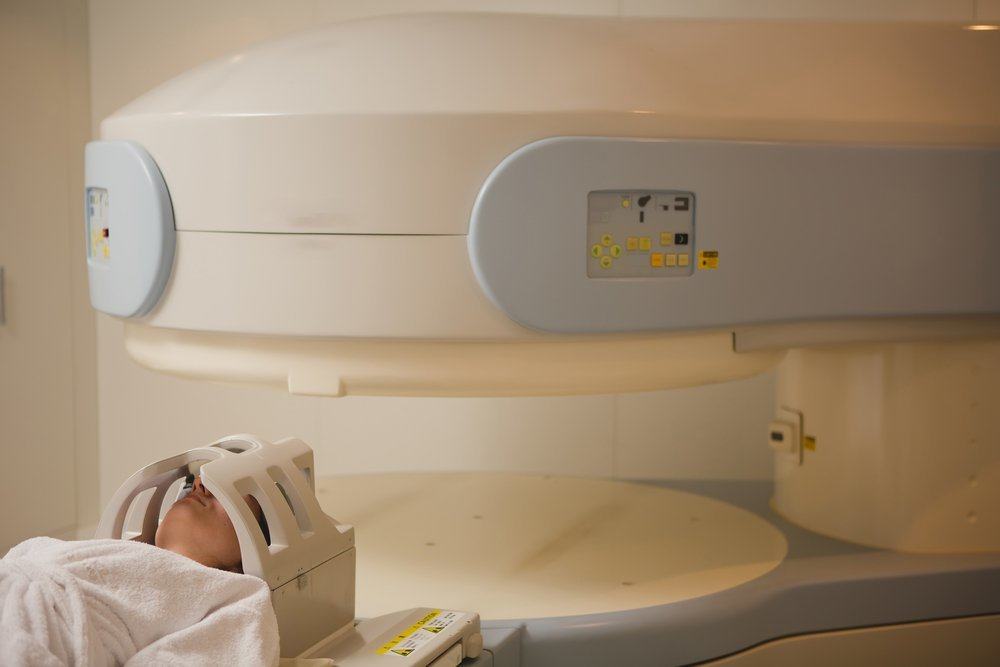
Previously, doctors used magnetic resonance imagery (MRI) to look for cancer, as well as tomography (CT)

Treatment at home
What are the lifestyle changes or home remedies that can be done to deal with brain cancer?
Brain cancer is a disease that can be reduced by the following risks and symptoms through living and home care:

– Coordination with doctors including neuron surgery (specifically for surgery and spine), doctors who specialize in nervous system cancer, radiation therapists for cancer treatment, and your family doctor.
– Perform a repeat check with your doctor. Can be through CT, MRI, or blood tests to check cancer and the dose of Aanda medicine appropriately.
– See a doctor as soon as possible if you experience new seizures or headaches that were not there before, to prevent complications of the disease.
If there are questions, consult your doctor to get clearer information and find the right solution for you.

Hello Health Group does not provide medical advice, diagnosis or treatment.

Vitamin C To Prevent Heart Attack

Vitamin C To Prevent Heart Attack

People with heart failure who don’t get enough vitamin C in their diet are almost twice as likely to suffer heart failure, compared to those who get enough vitamin C intake.

People with low vitamin C intake also have more than twice the level of C-reactive protein (CRP) in their blood. Where CRP levels have been linked to heart disease.

“The study is the first study to show that people with heart failure with adequate intake of vitamin C in their diet will live longer. Vitamin C, an antioxidant that can help people with heart failure by alleviating inflammatory conditions in the body,” said researcher Grace Song, PhD, RN, assistant professor from the nursing department, University of Ulsan, South Korea as reported by WebMD on Wednesday (11/16/2011).

Other researchers say it is not at all clear that vitamin C by itself can improve heart health. People who get enough vitamin C in their daily diet by eating lots of fruits and vegetables can be overall healthy.

“All we have known is that a diet high in fruits and vegetables can reduce the risk of heart disease,” said Alice Lichtenstein, DSC, a nutritionist at Tufts University, Boston.

Foods rich in vitamin C include melons, red cabbage, broccoli, cauliflower, kale, oranges, papaya and kiwi. Based on the findings, people with heart failure don’t have to take vitamin C supplements.

“Research has shown that, vitamin C supplements do not improve the health of people with heart failure,” Lichtenstein said. The results of the study were presented at the American Heart Association’s Scientific Sessions in 2011.

The study involved 212 people with heart failure. Their average age is 61 years, and about one third are women. The researchers continued to track all the food they ate for 4 days.

The study used a software program used to calculate vitamin C intake. 39 percent did not get enough vitamin C in their diet, according to criteria set by the Institute of Medicine.

The study participants were also given a blood test to measure CRP. Then participants were monitored for 1 year, during which time 61 patients, or 29 percent were hospitalized or died of heart disease.

Participants with lower vitamin C intake were more likely to have a shorter time to be hospitalized before death due to heart problems.

The research was funded by the American Heart Association, the National Institutes of Health, and the National Institute of Nursing Research. The research was indeed presented at a medical conference.

However, initial research must be considered because they have not undergone a peer review process. Where in the process experts outside examine the data before it is published in a medical journal. So that still need to be done various studies to confirm and support the results of these studies.

Heart Attack And Stroke – This Is the Difference That Not Many People Know

Heart Attack And Stroke – This Is the Difference That Not Many People Know

Many people are often mistaken when distinguishing strokes and heart attacks. Though both require different handling. Although these two medical conditions often occur suddenly but each has different symptoms. So, how to distinguish the symptoms of a heart attack from a stroke?

Of the causes, strokes and heart attacks are different
Causes of a heart attack
Heart attack is a medical condition that occurs due to narrowing of the coronary arteries (blood vessels that are in charge of supplying blood to the heart) so that blood flow becomes very limited and stops.

Blockage of the coronary arteries can occur if the blood cholesterol level is too high and eventually clogs the bloodstream. This condition makes the blood circulation slow down until it stops completely.

Causes of stroke
The most common type of stroke is ischemic stroke. Ischemic stroke occurs when the blood vessels responsible for supplying blood to the brain are blocked by frozen blood. The causes of ischemic stroke are as follows:

– Blood clots occur in the arteries found in the brain, this can cut blood circulation to the brain.
– There is a buildup of plaque in the carotid artery (in the neck area) which is responsible for carrying blood to the brain, then the plaque is released and goes to the blood vessels in the brain, which eventually results in a stroke.

Another type of stroke is hemorrhagic stroke. This condition occurs when blood vessels in the brain rupture and blood spills into the surrounding tissue. Leaking blood then builds up and blocks the surrounding brain tissue. One risk factor is high blood pressure where it suppresses the arterial wall causing hemorrhagic strokes.

Do not mistaken the symptoms of a heart attack with symptoms of a stroke
Indeed, sometimes the symptoms of a heart attack and stroke have similarities making it difficult to distinguish when symptoms appear. But actually, you can distinguish the signs of these two diseases by paying attention to the following:

Symptoms of a heart attack
The most common symptoms of a heart attack, namely:

– Chest feels painful and uncomfortable
– There is a feeling of discomfort in the upper body area
Hard to breathe
– Cold sweat appears
– fatigue
– Nausea and vomiting
– Mild headache

Symptoms of a heart attack can vary in each person, even some of them do not show any symptoms. While others experience symptoms of mild to severe heart attacks.

Most heart attacks occur suddenly but many people get “warnings” of heart attacks for hours, days, even weeks before.

Symptoms of stroke
Symptoms of stroke are visible, depending on which part of the brain is damaged. Stroke sufferers can experience a number of problems with memory, speech, muscle control, and various other functions.

Common stroke signs, including:

– Suddenly feeling numb or weak in the area of the face, arms, or legs that tends to occur only on one side of the body
– Difficulties in speaking or understanding the conversation
– Difficulty seeing with one or both eyes
– Sudden severe headaches, sometimes accompanied by vomiting, dizziness, and changing consciousness
– One side of the face looks “sagged” and does not function
– One arm is weak and numb

The American Stroke Association recommends the F.A.S.T method to make it easier for you to identify signs of stroke:

– F (Face or Face): When smiling, does one side of the face feel down or “down”?
– A (Arms or Arms): When you lift both arms, is one of the arms drooping limply and falling down?
– S (Speech or Talk): Is your speech unclear, like slurred or nasal? Are there difficulties when talking?
– T (Time or Time): We recommend that you immediately call 911 or visit the ER at the nearest health service, if you experience this

Differences in treatment of heart attacks and strokes
Handling a heart attack
The healing process of a heart attack needs more than just treatment and a healthy lifestyle change. In certain cases, Coronary Artery Baypass Graft and angioplasty surgery may be needed.

During the process of heart bypass surgery, the doctor will take blood vessels from other parts of your body and attach them to the blocked artery. This will change around the clogged part of the arteries.

Whereas in the angioplasty process, it is done by using a catheter that has a small balloon at the end. Then the catheter is inserted into a blood vessel, so the balloon will expand in the area where the blockage occurs. The balloon will press against the artery wall to trigger the opening of blood flow.

After the process is done, you are required to do cardiac rehabilitation. Usually, this lasts for several weeks accompanied by monitoring of diet, lifestyle, and medications to restore heart health.

Handling stroke
Usually, doing a healthy lifestyle is highly recommended during a stroke. If an ischemic stroke is detected within a few hours of the symptoms appearing, maybe the doctor will give a drug called tissue Plasminogen Activator (tPA), its function is to break the blood clots in the blood vessels.

While in some cases of hemorrhagic strokes, surgery needs to be done to repair damaged blood vessels. In some cases, the doctor will use a special clip to secure the part of the broken vein.

To find out which conditions you experience, you should consult a doctor. That way, you can get the right and fast treatment according to your conditions.

Heart Attack Aspirin – Benefits and Side Effects of Aspirin, the Multipurpose Drug

Heart Attack Aspirin – Benefits and Side Effects of Aspirin, the Multipurpose Drug

Aspirin is one of the oldest drugs in the world. This drug was first recorded used by the Sumerians and Egyptians in daily medicine, especially to treat pain. An ancient aspirin drug was made from willow leaf plants. Hippocrates also developed aspirin through extracts of this plant. Then, a lot of research was developed to find the various properties of aspirin and the dosage used. In fact, aspirin is now a drug that can overcome many health problems.

But, behind its multi-functional properties, this drug also has several side effects to watch out for. Are there any good drugs for a million people? Come on, follow the explanation below.

Multifunctional aspirin content
An aspirin drug, or in the pharmaceutical world called acetyl salicylate, is a form of processed salicin compound found in many plants. This compound has several functions, according to the dose. Basically, aspirin works to inhibit an enzyme that produces and regulates the work of prostaglandin, a compound in the body that is produced when inflammation occurs. So all things involving prostaglandin can be prevented by aspirin.

Some of the effects produced by aspirin include:

– Antipyretic effect → functions to reduce body temperature during a fever.
– Anti-inflammatory effects → function to relieve inflammation.
– Analgesic effects → pain relief.
– Anti-platelet effects → prevent blood cells (platelets)
stick to the walls of blood vessels, so that blood clots can be inhibited.

What is the right dose of aspirin?
There is a difference between over-the-counter and aspirin drugs prescribed by a doctor. Free-selling aspirin in pharmacies is usually available in the form of oral tablets, chewable tablets, powdered forms, as well as gum. Whereas the doctor prescribes usually in the form of periodic loose tablets, so that the drug can be released slowly. On periodic tablets, drug levels in the blood can be maintained and produce long-term therapeutic effects.

In the book pharmacology, Katzhung et al. Mentioned that aspirin drug dosages for anti-pain and anti-fever effects were 300-900 mg, given every 4-6 hours. The maximum dose is 4 grams a day, because if more than that, aspirin will show side effects. Whereas to get an anti-inflammatory effect, the dose used is 4-6 grams per day.

To get an anti-platelet effect, the dose used is 60-80 mg orally per day. In the process of blood clotting, aspirin inhibits the cyclooxygenase pathway that produces thromboxane A2 and prostaglandin which causes blood clots that may clog arteries.

Consumption of aspirin is recommended to follow the dosage according to your needs. In people who have impaired kidney and liver function, dosage adjustments are absolutely necessary. So even for long-term use. If you regularly take aspirin and will do surgery for either major surgery or minor surgery (such as removing teeth), aspirin consumption must be stopped to prevent bleeding during the operation.

Although aspirin is generally safe, but aspirin still has side effects, it can even be dangerous for some people. Therefore, safe consumption of aspirin must be under the supervision of a doctor.

Benefits of aspirin for health
1. Overcoming fever
When you have a fever and accompanying symptoms such as aching body, a single dose of aspirin can make you feel much better. Anti-pyretic compounds in aspirin can send signals to the brain to regulate body temperature, so that the fever can be overcome.

2. Effective headache medicine
Prostaglandin is a compound that is responsible for sending pain signals to the brain, while aspirin works to block these compounds, so it is useful for the treatment of headaches. Side headaches or migraines can be overcome by aspirin in a relatively fast time.

3. Good for skin health
Not only for the health of internal organs, aspirin is also useful as an external medicine due to its anti-inflammatory effects. Aspirin can remove pimples and insect bites on the skin. For this need, the use of aspirin is not taken, but is made in the form of dough / pasta.

An aspirin paste can be made from two crushed aspirin, plus a few drops of water. Simply apply to pimples or insect bites and let it dry. After that, rinse with water. Watch out for people who are sensitive to aspirin, because aspirin paste does not remove stains on the skin, but instead causes irritation.

4. Reducing mortality from cancer and fatty liver
The liver can experience fat in people who consume alcohol in the long run. Aspirin can inhibit this fatty liver process, so it does not fall into further complications, namely liver cancer. Several studies have also been developed to look for other benefits of aspirin. The result, a study from John Radcliffe Hospital, Oxford, showed that aspirin drugs can reduce deaths from several types of cancer.

The death rate fell 34% for all cancers and 54% for digestive cancer. After 20 years, the risk of cancer death was 20% lower in the group given aspirin than in the non-aspirin group. However, other studies are still ongoing and are expected to improve these results.

5. As a blood thinner
The anti-clotting effect that aspirin has makes this drug thin the blood. There are several preventable diseases, including coronary heart disease and blockage of veins due to sitting too long. Even though aspirin can help prevent a heart attack, patients may not take aspirin every day without the doctor’s advice. Usually the doctor will give aspirin as a blood thinner at:

– Patients who have had a heart attack or stroke
– Patients with heart rings / stents, or have undergone bypass surgery
– Patients at risk of having a heart attack and experiencing diabetes

Aspirin side effects that may occur
1. Bleeding internal organs
Its thinning blood can cause bleeding in various places in the body if consumed in unlimited quantities and over dosages. The place that most often experiences bleeding is the stomach. Symptoms arising from bleeding due to aspirin include severe abdominal pain, blackened stools, and reddish urine.

2. Aspirin is dangerous for children
Aspirin can cause a serious disorder called Reye’s Syndrome. In this syndrome, fat accumulates in the brain, liver, and other organs of the child, especially if an aspirin is given when the child has chickenpox or flu.

3. Aspirin is dangerous for pregnant women
Aspirin is not recommended to be taken by pregnant women. This drug is harmful to the fetus because it causes many congenital abnormalities, such as congenital heart disease and reduces birth weight. This is because aspirin can penetrate the placental layer and affect fetal growth.

Well, even though aspirin has many benefits like a god medicine, its use must be careful. Keep communicating with your doctor before starting therapy with this drug.

Heart Attack During Sex

Heart Attack During Sex

Are you a fan of the Downton Abbey, Mad Men, or Rescue Me series? If the answer is yes, you must have seen one of the scenes of a male actor who died suddenly of a heart attack due to sex. Indeed, is it possible for sex to cause a heart attack? We find out the facts through this article.

Activities that are at risk of triggering a heart attack
In fact, according to a study published by the Journal of the American Medical Association, sexual activity can indeed trigger a heart attack, but with a very low probability. There are only less than 1% of heart attacks caused by sexual activity. Compare that with activities that use heavy physical energy, which is the cause of 5% of total heart attacks, or anger that causes as much as 3% of attacks.

The study also mentions that the risk of heart attack after sex will increase in people who have never done regular exercise. Heart attacks after sexual activity in people who have no history of heart disease are two to a million, while those who have had a heart attack are 20 to a million, with an average age of 50 years.

If calculated by METs or metabolic equivalents, which is the unit standard used to estimate the amount of oxygen used by the body during activity, sex only requires 2 to 3 METs. This number is the same as the number that will be obtained if you walk slowly. The number will increase to 3 to 4 METS when you reach orgasm, just as you are climbing stairs. So you are very unlikely to have a heart attack because of sex.

Sex is safe for heart disease patients
Research conducted by the Karolinka Institute in Stockholm, Sweden, said that heart attacks after sexual activity are relatively very small even though the possibility is indeed increased in people who have never done regular exercise. This result was found after interviewing 650 men with an average age of 45 and 60 who had a heart attack for the first time.

Don’t hesitate to consult with your doctor if you are a heart disease patient. Usually after a heart attack, you will be asked to remember what activities you did in the hours before a heart attack occurred, or remember the activities carried out on yesterday before you get a heart attack. From there you will find out the fatal risk of increasing your heart attack.

Perform regular treatment for your heart rehabilitation. Regular light exercise can also reduce the risk of a heart attack caused by sexual activity. Don’t let your sex life die of a heart attack. You still have the right to be happy, as well as your partner. To minimize the risk of an attack, it’s good to follow the doctor’s instructions for those of you who are vulnerable to attack.

Remember, the possibility of a heart attack during or after sexual activity is relatively very small. Those of you who still have enthusiasm are certainly not difficult to exercise regularly, right? This simple thing is very useful for you.

Heart Attack At 19-25

Heart Attack At 19-25

One of the causes of the age shift in the incidence of cardiovascular disease is the development of the disease that begins earlier. Damage to blood vessels requires a long time to cause a symptom of heart disease, but this can start from adolescence and even children. Risk factors such as obesity and an unhealthy lifestyle can be found at a young age. As a result, damage to blood vessels has occurred slowly and cardiovascular disease will occur more quickly in adulthood.

Here are some signs of the development of cardiovascular disease that you must watch out for at a young age.

1. High blood pressure
High blood pressure (hypertension) is a disorder that increases the risk of cardiovascular disease. Detecting hypertension at a young age tends to be difficult because it is influenced by gender, age, and height. Normal systolic blood pressure in infants and toddlers is around 80-110, the age of children is around 85-120 while in adolescents around 95-140. A child is said to have hypertension if he consistently has blood pressure close to the upper limit or higher than the normal limit after three measurements at different times.

Primary hypertension is often found in adolescence and has the same risk factors in general; obesity, consumption patterns and unhealthy lifestyles. But at the age of children or younger, there are possible causes of secondary hypertension such as endocrine disorders, kidney disease, congenital heart abnormalities, intracranial pressure, drug side effects, and poisons.

Hypertension at a young age often does not cause acute symptoms, but can cause headaches, nosebleeds, and decreased academic and sports abilities. If not addressed, both primary and secondary hypertension can cause damage to blood vessels more quickly and this can have an impact on the central nervous system (stroke), impaired heart function, and kidney failure as adults.

2. Hypercholesterolemia
The high level of cholesterol in the blood is the beginning of the development of coronary heart disease and this, without realizing it, has begun since childhood. Increased cholesterol levels can already be seen when children will enter adolescence (9-11 years) and usually return to increase in late adolescence (17-21 years). Hypercholesterolemia in children is more likely to occur if:

– There is a history of parental heart disease
– Overweight
– Blood pressure above normal age
– have diabetes
– Smoking and exposure to cigarette smoke

Handling cholesterol in children is very necessary to prevent heart disease early. Therefore, if the child already has a risk factor, it is advisable to check blood cholesterol levels at the age of children (under 10 years) and the beginning and end of adolescence. Safe total cholesterol (TC) levels in children around less than 170mg / dL. If the TC level is around 170-199mg / dL, a repeat examination is required, whereas if TC levels> 200mg / dL, further examination and drug consumption are required.

However, prioritize improvements in diet and activity patterns if your child is at risk of developing hypercholesterolemia. This is done by reducing fat, carbohydrate and sugar intake from daily intake. Instead, increase your intake of protein, fiber, vitamins and minerals, especially from vegetables and fruit.

3. Arterosclerosis
Arterosclerosis can occur if blood cholesterol levels are not controlled to cause plaque in the blood vessels. The development of atherosclerosis tends to be long but can begin in childhood. Risk factors for atherosclerosis in children are generally the same as risk factors for hypercholesterolemia in children. But every risk factor such as obesity, hypertension and an unhealthy lifestyle will accelerate blood vessel damage. Arterosclerosis at the age of children is the main trigger for heart disease and stroke in adult individuals aged 20-30 years.

Abnormal blood cholesterol levels in children are a sign of the development of atherosclerosis. The following are the results of abnormal cholesterol checks that impose immediate treatment:

– Total cholesterol (TC)> 200mg / dL
– LDL cholesterol levels> 130 mg / dL
– HDL cholesterol levels <40mg / dL
– Triglyceride levels (TG)> 130mgdL

Handling atherosclerosis and abnormal cholesterol levels in children is done in stages as follows:

1. Changes in diet and activity – suppress daily consumption of fat, carbohydrates and excess sugar and consume more fish, vegetable and fruit proteins. Children are also encouraged to active 30-60 minutes / day in 4-6 days / week. Improvement efforts should be carried out slowly and consistently because they must be done for a long time.

2. Supplementation – carried out to meet the nutritional needs of fiber and omega-3 which are useful in controlling LDL cholesterol levels. Children are also encouraged to obtain fiber from vegetables and fruits and omega-3 from oily fish.

3. Provision of medicine – in general, the doctor will give a drug with a type of statin, but treatment efforts do not aim to overcome atherosclerosis but only to control risk factors. Giving medicine is the last step if lifestyle improvements and supplementation after 6-12 months does not help reduce total cholesterol or triglyceride levels that are too high.

Heart Attack And Blood Pressure

Heart Attack And Blood Pressure

Heart attack can affect anyone regardless of age and sex. Unfortunately, this heart attack should be known early if you regularly check blood pressure. The reason, high blood pressure or hypertension can cause sudden heart attacks to fatal consequences. What is the relationship between high blood pressure and heart attack? Let’s look at the explanation below:

Know how the heart works for the body
Before much further, you must understand the functions and workings of the heart for the body. First, just like all organs, the heart has its own muscles. Well, all heart muscles can work well if you have:

– Sufficient oxygen supply
– Energy and nutrient reserves
– Ways to get rid of toxins or harmful impurities in the body

When one of the above is disturbed, the heart can be damaged and lose the ability to pump blood throughout the body effectively. Heart attacks can also occur when the oxygen supply to the heart is disrupted for various reasons.

The heart supplies oxygen with a special group of blood vessels, called coronary vessels. The function of this coronary artery is to bring blood out of it. Because there are hundreds of millions of cells in the heart, and all of them need oxygen, there is a special way for each cell to get the oxygen it needs.

Oxygen passes through the blood, to the outermost cells of the heart wall. Oxygen passes through these cells and enters deeper parts of the cells in the heart.

Why does high blood pressure cause heart problems?
High blood pressure is likened to making the heart become more heavy. Your heart must work harder to pump blood throughout the body. When the heart pumps more blood and is heavy there are several things that can happen. Blood vessels can be damaged by blood pressure that is too high,

In addition, high blood pressure can also make the heart muscles thicken. This makes it difficult for the heart to pump blood. In the end it can experience malfunction because it supports a burden that is too heavy to pump blood. In addition, high blood pressure can also cause arteries that surround the heart to harden, eventually leading to a heart attack.

What are the signs of a heart attack?
Heart attack is a serious condition that can be life threatening, so it is important to know the warning signs to indicate a heart attack.

Some of the symptoms that you should be aware of are:

– Pain or pressure on the chest or upper arm
– Difficulty breathing suddenly
– Sweating a lot without doing many activities
– Nausea after doing hard work like exercising

You should understand that symptoms can occur at any time and need immediate medical attention.

How can I prevent a heart attack?
There are many things that people with high blood pressure can do to help prevent a heart attack. All of these steps require commitment and sincerity to be healthy right, and if done will reduce the risk of heart attack.

Some ways are:

– Take your medicine as directed
– Avoid heavy activities. Perform activities slowly
– Do not smoke
– Control your weight. Even a 5% reduction in your body weight is very beneficial
– Avoid foods high in salt and fat, especially trans fats
– Talk to your doctor and do a sports program.

Read Now,

1. Heart Attack At 19-25

2. Heart attack During Sex

3. Heart Attack Aspirin – Benefits and Side Effects of Aspirin, the Multipurpose Drug

4. Heart Attack And Stroke – This Is the Difference That Not Many People Know

5. Vitamin C To Prevent Heart Attack

Thank you for reading our article, don’t forget to share it with your friends.

Chronic Kidney Disease

Chronic Kidney Disease

Definition
What is chronic kidney failure?
Chronic kidney failure is a decrease in kidney function below the normal range. If you suffer from chronic kidney failure, it means that your kidneys cannot filter dirt, are unable to control the amount of water in the body, as well as salt and calcium levels in the blood. Useful metabolic waste substances will remain and settle in the body so that it can eventually endanger the patient’s condition.

Chronic kidney failure usually occurs suddenly and gradually grows. This disease is slow and usually does not appear until the patient shows severe symptoms and endangers his health.

How common is chronic kidney failure?
Chronic kidney failure is a common disease associated with the aging process. The older a person is, the higher the risk. It is estimated that 1/5 of men and 1/4 of women aged 65-74 years have a stronger tendency to get this disease. You can reduce your chances of getting this disease by reducing your risk factors. Please consult with your doctor for more information.

Signs & symptoms
What are the signs and symptoms of chronic kidney failure?
Chronic renal failure often shows no symptoms at an early stage and develops slowly. However, generally the signs and symptoms of the final stages of chronic kidney failure are:

– Nausea and vomiting
– Loss of appetite
– Feeling weak and lethargic
– Hard to breathe
– Stomach ache
– Mouth problems
– The frequency of urination increases, especially at night
– Numbness, tingling, burning hot feet and hands
– Muscle cramps and muscle spasms
– Sleep disorders
– Itchy skin
– Decreasing mental acuity
– High blood pressure that is difficult to control
– Pain in the chest due to accumulation of fluid around the heart
– Swelling of the ankles, feet or hands

There may be signs or symptoms not listed above. If you have certain concerns about symptoms, please consult your doctor.

When should I see a doctor?
Please consult with a doctor if you experience symptoms of chronic kidney failure which include nausea, diarrhea, stomach problems, tingling in the limbs, lack of sleep, convulsions or symptoms as mentioned above. Status and health conditions can vary in each person. Always discuss with your doctor to get the best diagnosis, treatment and treatment for you.

Cause
What causes chronic kidney failure?
Chronic kidney disease occurs when a disease or condition damages kidney function, causing the kidneys to be damaged for several months or years. Diseases and conditions that cause chronic kidney failure include:

– Type 1 or type 2 diabetes
– High blood pressure (hypertension)
– Glomerulonephritis, inflammation of the kidneys
– Polycystic kidney disorders
– Prolonged urinary tract obstruction
– Vesicoureteral reflux, a condition that causes urine to return to your kidneys.
– Recurrent kidney infection, also called pyelonephritis
– Long-term use of certain drugs, such as ibuprofen and aspirin

Risk factors
What increases my risk for chronic kidney failure?
Some factors that can increase your risk of experiencing chronic kidney failure are:

– Age. As the age increases, the risk of developing this disease also increases.

– Ethnicity. Africans, Americans and Native Americans have a higher risk than other races.

– Gender. Generally men are more at risk than women.

– Family health history. Family history is one of the factors that cause diabetes and high blood pressure, the main trigger for chronic kidney failure.

– Foods that contain lots of protein and fat. Eating foods that don’t contain too much protein and fat can help you reduce your risk of kidney failure.

– Use of certain types of drugs. Stop using drugs that can cause kidney damage, such as analgesics and some types of NSAIDS antibiotics.

Medicine & Medicine
The information provided is not a substitute for medical advice. ALWAYS consult your doctor.

What are my treatment options for chronic kidney failure?
To treat and inhibit the development of chronic kidney disease, patients need to undergo a number of diets, treatments, control of exercise and activities that can aggravate this disease, dialysis or kidney transplantation can also be done at the doctor’s advice. Some treatment options for chronic kidney failure are:

– Avoid foods that contain lots of potassium, phosphorus, salt or high protein.

– It is very important to maintain blood pressure and check it regularly.

– The doctor will do a blood transfusion if the patient has anemia.

– Drugs that are diuretic can prevent the buildup of fluid in the body.

– Stop using certain drugs that can trigger damage to the kidneys.

– Underwent treatment for hypertension, diabetes, congestive heart failure and infection.

– Some patients need to undergo kidney dialysis if treatment is not successful. Dialysis helps cleanse the kidneys of metabolic waste substances in the blood when the kidneys are unable to carry out their duties. This kidney dialysis can be temporary or permanent.

What are the usual tests for chronic kidney failure?
The doctor will take blood samples and urine tests to determine whether there is damage to the kidneys or not. In addition, other tests will also be carried out to ascertain the condition of your kidneys. Doctors will use X-rays to check the size of the kidneys which may be the cause of damaged kidneys, in addition to other disorders, disorders of the urinary tract, kidney stones or kidney tumors.

Treatment at home
What are the lifestyle changes or home remedies that can be done to overcome chronic kidney failure?
Some lifestyle changes and home remedies that might help you deal with chronic kidney failure are:

– Follow diet instructions suggested by your health professional, including selecting fluids that enter the body.

– Use drugs according to the doctor’s direction. Do not skip medication or use drug doses.

– Record your daily weight. Record the amount of fluid you drink and the amount of urine you remove when the doctor asks for it.

– Pay attention to food intake. Eat balanced nutritious foods, avoid excess salt, and fatty foods.

– Exercise regularly but avoid strenuous activities.

– Call your doctor immediately if you have a fever, chills, headache, muscle aches, shortness of breath, nausea, vomiting and chest pain.

If there are questions, consult your doctor for the best solution to your problem.

Various Ways to Prevent Heart Disease

The three main risk factors that are interrelated as causes of non-communicable diseases such as heart and stroke are smoking habits, lack of physical activity and unbalanced eating continue to increase. Ironically, most women worry more about the dangers of heart disease than their husbands or partners. In fact, maintaining heart health is very easy to do. Even the smallest lifestyle changes can improve your quality of life and reduce the risk of heart attack by 50 percent.

Here are the things you can do:

Sun
Sunlight contains vitamin D which can minimize plaque formation in blood vessels. Research at the University of California shows that women with high vitamin D levels have a 31 percent lower risk of heart disease. Bask in the morning before 10:00 for 20-30 minutes.

Consumption of chocolate
This one food is often avoided because it can cause obesity. But make no mistake, the benefits are also many. You just need to be smart in choosing it. Dark chocolate contains flavonoids and magnesium which can reduce bad cholesterol levels. In addition, there is also the content of stearic acid, which is one of the friendly fats for the heart and antioxidants that can block free radicals from damaging the artery walls. Make sure the chocolate you consume contains 70 percent cocoa to get its benefits.

Sports
The heart is a muscle that needs to be trained regularly to stay in top condition.
Exercise such as brisk walking, swimming, jogging or cycling can provide the best exercise for your heart. The New England Journal of Medicine study says that by walking lightly for 2.5 hours a week, you can cut one-third the risk of heart attack and stroke. This activity can also increase good cholesterol levels in the blood. Consult with a doctor before you start exercising. You can also follow the traditional Chinese medicine system. According to this treatment, cardio exercise is not the only way to improve heart health. Slow motion can also have the same effect. When your body forms a position and feels relaxed, you stimulate the connective tissue that energy passes through so that the organ can function optimally.

Consumption of seafood
Foods that come from the sea can ‘lubricate’ your heart because they contain omega 3 fatty acids which can reduce the risk of cardiac arrhythmias, bad cholesterol levels, high blood pressure and blood clots.

Quit smoking
Cigarettes contain more than 600 chemicals that can damage cells in the arteries. This can trigger inflammation which can cause increased cholesterol in the heart. The good news, a year after you stop smoking, the risk of heart disease decreases by 50 percent.

Laugh at
Laughing, you reduce stress hormones that are known to damage the protective lining of blood vessels. When you are stressed, the heart receives adrenaline in greater doses. This can cause abnormal heart rhythms and increase platelet stickiness which ultimately results in narrowing of the arteries. The hormone released when someone is depressed can also affect heart health. Therefore, depressed patients should get treatment as soon as possible.

Don’t forget teeth
According to a study conducted by Sidney Dental Hospital in 2006, bacteria
can enter blood vessels from unhealthy gums. This can cause inflammation which damages the arterial lining. Brush your teeth at least twice a day and visit your dentist regularly.

Get enough sleep
People who sleep less than five hours a night tend to experience a buildup of calcium minerals in the heart’s blood vessels which can one day rupture and cause heart attacks and strokes. The results of The Journal of the American Medical Association in 495 adults showed that the number of people experiencing arterial calcification could be reduced by 1 in 10 by adding
extra hours of sleep. The ideal sleep time is 6-7 hours a day.

Don’t bleak heartache
A joint study from San Diego State University and the University of Pittsburgh proved that a very satisfying married life can reduce heart attack factors. Research conducted on 493 women aged between 42-50 years observed time together, communication, sexual life, hobbies, characters and others. The same thing was mentioned in the book Heartbreak & Heart Disease written by Dr. Stephen T. Sinatra. In the book it is said that inner stress caused by emotions that are held from heartbreak, too sad, to hostility and anger, can result in a blocked heart aorta whose effects are similar to cholesterol oxidation, metal poisoning, insulin, radiation and thickened blood and sticky.

The current pattern of people’s lives is a high risk factor for the threat of a heart attack. In fact, the disease not only lurks parents, but also young people who are in productive age.

Based on data from the World Health Organization (WHO) in 2017, in Indonesia, coronary heart disease is the highest cause of death at all ages after stroke with a percentage of 15.45%. Referring to the Economics of Non-Communicable Diseases in Indonesia report, it is known that the disease starts attacking the younger generation in the range of 15 to 45 years, which is the productive age.

Then how can the younger generation avoid the threat of heart disease? Check out a few tips below:

1. Nutrition is the key
Maintaining a nutritious diet is one key to avoiding the risk of heart disease. What simple diet can you apply?

Breakfast of oatmeal

Wheat contains beta-glucan or fiber which can reduce bad cholesterol, the cause of heart disease. According to nutritionist Dr. Sarah Schenker of the British Dietetic Association, you need 3 grams of beta-glucan per day, equivalent to a bowl of porridge (average size). By eating a bowl of oatmeat every morning, you can reduce cholesterol levels in the body by as much as 5 to 10 percent, compared to if you don’t consume them at all.

Eat a bowl of yogurt

About 80 percent of the immunity of the human body is in its digestion. If digestion is healthy, you can be sure you are not susceptible to disease, including the heart. Well, to have a healthy digestion, you need good bacteria or probiotics. This bacterium can be obtained from milk and derivative products such as yogurt.

Reducing sugar consumption

The fact that sugar is not as sweet as it feels isn’t new in the world of health. After all, sugar is one of the foods that is alleged to be a big contributor to high blood pressure. Dr. James DiNicolantonio, cardiovascular research scientist at St. Luke’s Mid America Heart Institute, said, “Encouraging people to say no to sugar, not salt, might be a better diet strategy to control blood pressure.”

2. Exercise 30 minutes every day
Physical activity can help control weight and reduce the chance to develop other conditions that can put pressure on the heart, such as high blood pressure, high cholesterol, and diabetes.

In general, you should do light exercise, such as walking at high speed, for about 30 minutes on almost every day of the week. Exercising for just 10 minutes every day is enough to provide great benefits for the heart.

3. Avoid smoking
Smoking is one of the most significant risk factors for developing heart disease. Chemicals in tobacco can damage the heart and blood vessels, causing narrowing of the arteries due to plaque buildup (atherosclerosis) and eventually can cause a heart attack. Carbon monoxide in cigarette smoke replaces oxygen in the blood.

This increases blood pressure and heart rate by forcing the heart to work harder to supply oxygen. Women who smoke and take birth control pills are at greater risk of heart attack or stroke than those who do not smoke or take birth control pills. Because, both can increase the risk of blood clots.

4. Quality sleep
Sleep deprivation not only makes you yawn throughout the day, but also endangers health. People who lack sleep have a higher risk of obesity, high blood pressure, heart attack, diabetes and depression. Most adults need seven to nine hours of sleep each night. One sign that you are getting enough sleep is that you wake up without an alarm and feel refreshed. However, if you need a struggle to get out of bed, that’s a sign you need more sleep.

You who often sleep with the lights on should start to reduce the habit. Based on research by Joan Roberts, a biologist, there is a connection between lights and health. According to him, the light (including the emission from the television screen) can cause a decrease in the levels of the hormone melatonin in the body.

Melatonin is a hormone that functions as an antioxidant and controls sleep. This hormone also causes you to become sleepy at night and make sleep sound. Decreased melatonin levels will have an impact on decreasing the body’s resistance, so that the body becomes weak and susceptible to diseases, including heart disease.

Then what if you can’t sleep calmly with the lights on? If so, you can use a mask or eye patch during sleepless nights.

5. Maintain a healthy weight
Being overweight can cause conditions that increase the chances of heart disease — including high blood pressure, high cholesterol, and diabetes. Metabolic syndrome – a combination of fat around the abdomen, high blood pressure, high blood sugar and high triglycerides, – also increases the risk of heart disease.

One way to see if your weight is healthy is to calculate your body mass index (BMI). This is what takes into account height and weight in determining whether you have a healthy or unhealthy percentage of body fat. A BMI of 25 and higher, generally associated with high cholesterol, high blood pressure, and an increased risk of heart disease and stroke. Waist circumference can also be a useful tool for measuring how much belly fat you have.

Men are generally considered to be overweight if their waist size is greater than 101.6 centimeters. Women are generally overweight if their waist size is greater than 88.9 centimeters.

6. Manage stress
Some people deal with stress in unhealthy ways, such as overeating, drinking or smoking. Finding alternative ways to manage stress, such as physical activity, relaxation exercises or meditation, can help improve your health.

7. Perform regular health checks
High blood pressure, Diabetes Mellitus and high cholesterol can damage your heart and blood vessels. But without a test, you might not know if you have this condition. Do mapping to monitor your health.

From the seven tips above, avoiding heart disease is actually not a difficult thing, right? You just need to live a healthy lifestyle regularly. In order for this method to run optimally, also complete with insurance protection Ready for Life from Astra Life, which has a benefit benefit of death due to illness or natural causes, amounting to 100%.

This insurance can also be supplemented with additional benefits from ASLI Pelita Proteksi Pratama products that provide protection for six critical illnesses, including heart attacks. #LoveLife and continue to dream of living a healthy life until old age.

Heart disease is indeed one of the main causes of death. Although most coronary heart disease occurs in the age group 65 years and over, but that does not mean we are careless about maintaining health.

Let’s take care of heart health by applying these five healthy ways:

1. Exercise 30 minutes every day
Exercising can not only help control weight, but also reduce the risk of high blood pressure, high cholesterol and diabetes.

You should do light exercise, such as walking at high speed, for about 30 minutes on almost every day of the week.

However, exercising for only 10 minutes every day also provides great benefits for your heart.

2. Stay away from cigarettes
Smoking is one of the most significant risk factors for developing heart disease.

Chemicals in tobacco can damage your heart and blood vessels, causing narrowing of the arteries due to plaque buildup (atherosclerosis). Atherosclerosis can eventually cause a heart attack.

Carbon monoxide in cigarette smoke replaces some oxygen in your blood. This increases your blood pressure and heart rate by forcing the heart to work harder to supply enough oxygen.

3. Eat foods that are good for the heart
Eating healthy foods can reduce the risk of heart disease. Diets rich in fruits, vegetables and whole grains can help protect your heart.

You can also eat nuts, low-fat or fat-free dairy products, lean meat, and fish as part of a healthy diet.

Avoid too much salt and sugar in your food. Also, limiting certain fats you eat is also important. Try to keep saturated fats up to 5 or 6 percent of your daily calories. And try to avoid trans fats from your food.

4. Get enough sleep and quality
Sleep deprivation not only makes you yawn throughout the day but also endangers health. People who lack sleep have a higher risk of obesity, high blood pressure, heart attack, diabetes and depression.

Most adults need seven to nine hours of sleep each night.

One sign that you are getting enough sleep is that you wake up without an alarm and feel refreshed. But if you need a struggle to get out of bed, that’s a sign you need more sleep.

5. Manage stress
Some people deal with stress in unhealthy ways – such as overeating, drinking or smoking.

You can try alternative ways to manage stress such as physical activity, relaxation exercises or meditation – it can help improve your health.

The heart is a very vital organ. When the heart has stopped beating, it is certain that life has been separated from the body. For this reason, maintaining heart health is very important. Unfortunately, there are still many people who are not aware of heart problems.

Caring for and maintaining the heart to stay healthy is not easy, but it must start now. Citing Times Of India, there are 10 ways to keep your heart healthy:

1. Get to know dangerous fats
Most of us don’t know the difference between various types of fat. Even though there are fats that can harm the heart. One of them is trans fat or commonly known as unsaturated fat.

Trans fat is often found in fast food, packaged foods and processed foods and bread. This is because unsaturated fats increase levels of bad cholesterol in your body and reduce good cholesterol.

However, unsaturated fats are sometimes needed by the body. To control food patterns is very important for heart health.

2. Don’t sit too long
Work that makes you have to sit too long must be avoided. Because sitting too long is not healthy for the heart. Because, the results of the study show that sitting too long increases the risk of cardiovascular disease by up to 147 percent.

Another possibility is that deaths from this disease also multiply. So it can increase mortality by 90 percent.

3. Stop smoking
An active smoker will be more prone to a heart attack. Smoke in tokok is also dangerous for heart health even if you don’t smoke, where the risk of heart disease is 30 percent.

4. Maintain dental hygiene
Many don’t know about the relationship of teeth to the heart. Dental health means getting good heart health. This is because the risk factors for periodontal disease and heart disease are the same.

Unhealthy teeth have bacteria that cause gum disease into the bloodstream and cause an increase in levels of C-reactive protein that causes inflammation in your blood vessels.

5. Get enough sleep
Sleep and rest for seven hours. A study showed those who slept less than six hours increased their risk of cardiovascular disease more than two times, including heart attacks and strokes. This is because lack of sleep interferes with biological processes and can affect blood pressure and reduce heart conditions.

6. Control blood pressure
Some people who have high blood pressure can cause heart disease faster.

Ideally, if you are between 18 and 30, you must get blood pressure every three to five years. If you are older, you should check it every year.

7. Avoid using a headset
Did you know, loud sounds can also aggravate the heart condition. Studies have shown loud sounds like music that is too high can increase your heart rate which affects your blood pressure. Conversely, slow tempo and sound can have a calming effect on your mind and health.

8. Stay away from gadgets
Gadgets have a negative impact on health and this has been proven many times by various studies. However, it is not possible to avoid gadgets, remember digital life and technological developments are always present in your life.

So, make rules to avoid gadgets. Because the blue light emitted by gadgets can significantly increase the risk of cancer, diabetes and heart problems. In addition, it can interfere with sleep patterns.

9. Eat healthy food
Consuming five servings of fresh fruit, vegetables, dried fruit, nuts, and seeds in a day helps maintain heart health.

All processed foods such as cakes, bread and processed flour bread need to be avoided from your diet, especially drinks that contain sugar, such as soda and packaged juices. The first thing to do is stop consuming because solid sugar without fruit fiber is not good for heart health

10. Exercise
Exercise is an important way of maintaining heart health. You need to exercise and move like doing yoga, dancing, swimming, walking fast or cycling can be an alternative to exercise.

You must indulge in intensity training for 30 minutes, at least five days a week. This has been recommended by the World Health Organization for all adults aged between 18 and 64 years.

If you enjoy high-intensity exercise you can benefit from being healthy and good for the heart and avoiding other diseases such as depression, diabetes and breast cancer.

Is Type 2 Diabetes Caused by Hereditary Factors?

There are several factors that can be the cause of type 2 diabetes, from lifestyle and eating patterns. However, many think that type 2 diabetes is caused by hereditary factors. So, is it true that one of the causes of type 2 diabetes is descent from parents?

Genetic factors and causes of type 2 diabetes
If you are diagnosed with type 2 diabetes, try looking at your family’s health history. In fact, heredity can be one of the risk factors for type 2 diabetes.

According to the American Diabetes Association, the risk of developing type 2 diabetes in people who:

1 in 7 people are at risk of developing diabetes, if one of their parents is diagnosed before the age of 50 years
1 in 13 people are at risk of developing diabetes, if one of their parents is diagnosed after age 50
1 in 2 people get diabetes, if both parents have diabetes

But not all causes of type 2 diabetes are genetic factors. The main risk factors for type 2 diabetes are obesity and a bad lifestyle. Some gene mutations have been touted as a risk trigger for type 2 diabetes.

However, none of these genes cause diabetes by itself. Instead, they interact with other factors, for example, poisons, viruses, and foods that can increase your risk of developing diabetes.

Genetic mutation
Researchers have linked several gene mutations to a higher risk of diabetes. Not all mutation carriers will get diabetes. However, many people with diabetes have one or more of these mutations.

Lifestyle and family derivatives
It will be difficult to separate lifestyle risk from genetic risk. Lifestyle choices tend to be influenced also in the family. Passive parents, like being lazy to exercise for example, tend to have passive children too.

Parents with unhealthy diets are likely to reduce it to the next generation. On the other hand, genetics has a big role in determining body weight.

What genes are responsible for the emergence of type 2 diabetes?
The American Diabetes Association study found a gene in twins that showed type 2 diabetes. But this study was debated because of environmental influences that also affected the risk of type 2 diabetes.

Until now, many gene mutations have been shown to affect the risk of type 2 diabetes. The contribution of each gene in general is indeed small. However, each gene mutation can increase your risk of developing type 2 diabetes

In general, there are several mutations in the genes that control your diabetes risk:

glucose production
insulin production
how the glucose level is felt by the body
insulin regulation
The genes associated with type 2 diabetes include:

TCF7L2, a gene that affects insulin secretion and glucose production
sulfonylurea urea receptor (ABCC8), a gene that helps regulate insulin
calpain 10, a gene associated with the risk of type 2 diabetes in Mexican-Americans
glucose transporter 2 (GLUT2), which helps glucose move to the pancreas
glucagon receptor (GCGR), the glucagon hormone involved in glucose regulation
What are the tests for type 2 diabetes?
There are several genetic tests that can be done to detect the symptoms of type 2 diabetes in your body. However, the increased risk for gene mutations is small. Other factors are far more accurate in predicting the emergence of type 2 diabetes, including those seen from:

body mass index (BMI)
family history
high blood pressure
increase in triglycerides and cholesterol levels
history of gestational diabetes
So, what causes type 2 diabetes?
The interaction between genetic and environmental factors can make the body more difficult to control the real cause of type 2 diabetes. But that does not mean you cannot reduce risk.

There is strong evidence to support the fact that lifestyle changes can reduce the development of type 2 diabetes.

Health experts also often recommend weight loss and increase physical activity to prevent type 2 diabetes. Keeping blood sugar levels at normal levels can also prevent you from developing diabetes.