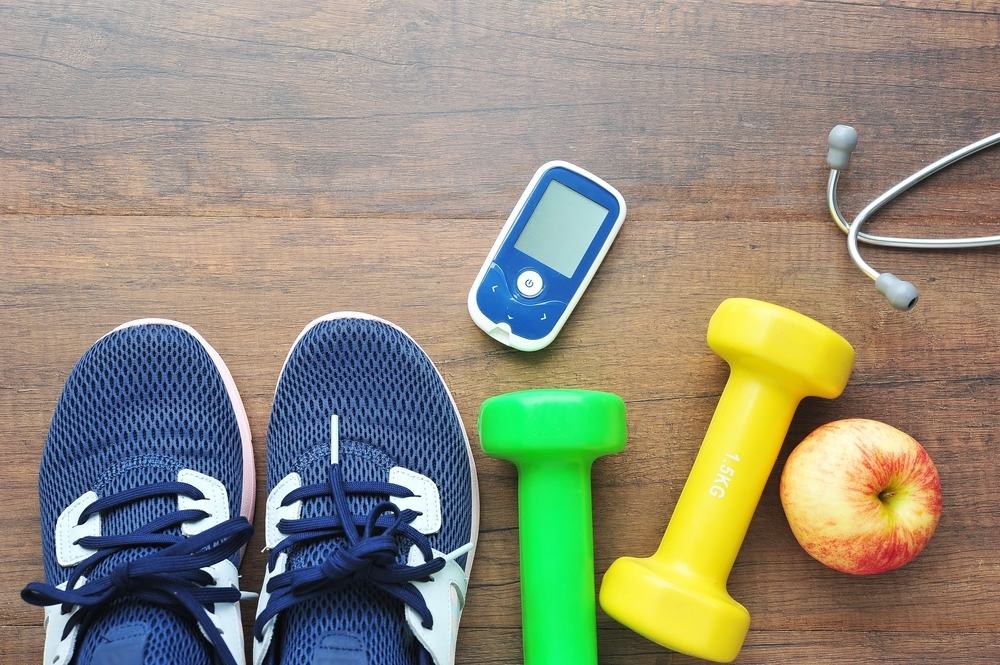
5 Important Rules for Breakfast That Diabetics Must Do

Breakfast is one of the important morning routines to be fulfilled, not least for diabetics. Because, breakfast is useful to provide enough energy for the body before starting to move. However, still consider the breakfast menu rules for diabetes to be able to supply energy without making blood sugar rise. So, what should be considered? Here’s the review.

Actually, what is the importance of breakfast for diabetes?
If you have diabetes, breakfast is included in an important key early in the morning which should not be missed. According to Kelly O’Connor, RD, an education director about diabetes at Mercy Medical Center, that breakfast is useful for supplying fuel for all body work.

Well, when you don’t have breakfast, it means there is no food that enters the body. When the body does not get food, there is no sugar that can be used to work the body’s cells. This condition will then trigger the body to produce its own sugar, in the form of blood sugar which will then be stored and released into your bloodstream.

If left continuously, it does not rule out the possibility that in the end it will cause blood sugar to continue to rise, which of course can have a negative impact on the health of diabetics. The solution, namely by maintaining the balance of the body’s metabolism throughout the day, one of them by not skipping breakfast.

Because, not breakfast can also trigger a decrease in energy, causing hunger. Finally, the body will use fat reserves to be used as an energy source. This condition will endanger the health of people with diabetes.

As for the lunch and dinner menu, the breakfast menu for diabetes must also consider the rules that are in accordance with the body’s condition of diabetes. For that, there are some rules that should be done by diabetics, such as:

5 Rules of breakfast that should be adhered to by diabetics

1. Avoid foods with high sugar levels

Although breakfast for diabetes is a mandatory thing that should not be missed, it does not mean you can eat any food to fill your stomach in the morning. As much as possible, avoid consuming sugary foods that have high sugar levels – for example donuts and coffee with added sugar and caffeine.

Besides being able to trigger an increase in sugar levels in the body of diabetics, eating foods with too high sugar content is also less effective to be used as an energy source.

It is important to consider that breakfast must be a source of fuel for the body in the next few hours and not be a source of energy that can be used up quickly.

2. Don’t forget fiber intake

In fact, enough fiber intake is important to be met by diabetics. Because, eating a source of fiber will not increase your blood sugar, it can help control blood sugar levels in the body.

This statement was supported by Amy Kranick, a nutritionist at Vanderbilt University Medical Center in Nashville, stating that adequate fiber consumption can benefit the body, such as supporting intestinal health; reduce the risk of cancer and heart disease; to control blood sugar levels.

Even more than that, slipping fiber into your breakfast menu can make you full longer and help reduce the buildup of visceral fat, which is fat that accumulates in several parts of the organs in the body and can adversely affect health.

3. Eat protein sources of food

In addition to considering the intake of healthy fiber and lowering foods with high sugar content, which is no less important is the breakfast menu for diabetes, which is a source of protein. According to O’Connor, a balanced breakfast should consist of a healthy source of carbohydrates with a number of proteins, and little or no fat sources. Because the right source of protein can help you to feel full longer.

Some healthy protein sources to be consumed by diabetics include eggs, tempeh, tofu, fish, skinless chicken, and lean beef.

4. Avoid processed meat

Chicken nuggets, meat sausages, smoked meat, meat rollade, are some frozen packaged foods that are often used as a breakfast menu. Because besides it tastes good, the manufacturing process is also easy so it doesn’t require a lot of time.

Even so, these foods are not recommended for those of you who have diabetes because it is not a healthy source of carbohydrates and protein. Conversely, these foods can actually contribute high calories without providing good nutrition for the body.

Not only applies to processed foods, but coffee with caramel, sweet cereals, and pastries should also be avoided.

5. Avoid drinking processed drinks

Some people might prefer to consume instant drinks at breakfast to shorten breakfast time. In fact, these drinks can make your blood sugar levels rapidly increase. It’s better to make fresh drinks yourself, like sugarless fruit juices, so that the diabetes sugar levels can be better controlled.

Pancreatic Transplant Cure Diabetes

Diabetes is a progressive disease, which means it will get worse with time. Until now, there is no medicine that can cure diabetes completely. Even so, that does not mean someone with diabetes cannot have normal blood sugar levels. Even if it can’t be cured, diabetes can still be controlled. That means we can control blood sugar levels that flow in the body.

Controlling diabetes can be done by taking drugs and injecting insulin. However, before these two things are done, living a healthy lifestyle is the main step in controlling diabetes. Maintaining food intake and exercising diligently is proven to be able to control high blood sugar in diabetics.

When a person has diabetes, they usually have a disruption in producing insulin. The pancreas, as an insulin-producing organ, does not have the ability to produce insulin to spread to the body. This is caused by poor lifestyle in type two diabetes or because of autoimmune damage (in type 1 diabetes). In fact, insulin is needed to help enter glucose into the body so that it can be broken down into energy to carry out various activities.

Can diabetes be cured?
As explained earlier, diabetes cannot be cured, it can only be controlled. Even though it cannot be cured, type two diabetes patients can get rid of insulin injection dependence or drinking drugs by maintaining a healthy diet and lifestyle. Unfortunately, not with type 1 diabetics.

Type 1 diabetics cannot escape insulin dependence. This is caused by beta cells in the pancreas which must be responsible for producing insulin which is damaged so that it is unable to produce insulin. As a result, the insulin supply for people with type 1 diabetes must be obtained from the outside, namely by injecting insulin.

However, in line with the development of increasingly advanced health technology, type 1 diabetics can begin to smile because of the emergence of new hopes for achieving recovery from diabetes. Healing for people with type 1 diabetes can be obtained through pancreatic transplantation. By performing a pancreatic transplant procedure, type 1 diabetes patients can be completely released from insulin injection dependence.

Who can do the pancreatic transplant procedure?
According to the American Diabetes Association, the pancreatic transplant procedure is the recommended treatment for people with type 1 diabetes. Although it provides positive results for type 1 diabetes, this procedure is not commonly used in patients with type 2 diabetes.

Type 1 diabetes occurs because the failure of the pancreas produces the amount of insulin needed by the body or doesn’t even produce insulin at all. Although it has been diagnosed since childhood, type 1 diabetes patients usually do not immediately carry out this procedure. This is due to the risk of the operation that follows it.

As reported by Detik Health, a surgical consultant from Singapore General Hospital, Dr. Victor Lee explained, “Actually even without the pancreas the patient can still live. He can get an injection of insulin to regulate blood sugar levels. But clearly the quality of his life will be very disturbed. Moreover, diabetes is a major cause of kidney failure so patients need regular dialysis. “

How is this procedure done?
The process of pancreatic transplantation is done by relying on the organs of a deceased donor. Even though it is a recommended alternative, not all type 1 diabetes patients can immediately perform this procedure.

The procedure for pancreatic transplantation can be done if the type 1 diabetes suffered is accompanied by complications in the kidney. That way, the patient will immediately undergo two transplants at once, the pancreas and kidney. Also to be considered, those who are obese, HIV / AIDS, have a history of cancer, and consume alcohol and cigarettes cannot undergo this procedure.

To perform a pancreatic and kidney transplant procedure together, several tests are needed first. One of them is a match test between the donor organ and the donor recipient’s body. The pancreatic and kidney organs obtained from the same donor have a lower risk of rejection. Although they have little risk of undergoing this transplant, the benefits that can be brought more, such as controlled blood sugar without consumption of insulin, repair of the nervous system that has been damaged, to avoid the risk of diabetes complications.

This procedure itself was first popular in the American and European regions. Doctor Victor Lee is the first doctor known to be able to perform a pancreatic transplant procedure in Singapore.

Why Diabetes Patients Can’t Drink Soft Drinks?

Living with diabetes requires you to really pay attention to food and drink intake. Especially in foods or drinks that contain sugar. This soft drink, which can be found easily, is one of the drinks that need to be watched out. Why is soft drink a drink for diabetes that should be avoided? Come on, see the following review.

Danger of drinking soft drinks for diabetics
Who doesn’t like soft drinks? This drink is always a mainstay when you are traveling or holding a certain event. Even though it tastes fresh, tasty, and practical, soft drinks are actually not good for your health. Reporting from Medical News Today, a study shows that drinking too much sweet or carbonated drinks can cause a person more at risk of developing diabetes.

The various types of soft drinks you drink, give the body extra energy in the form of fat if not used. This can make you overweight and eventually get obese. Obese people are very vulnerable to type 2 diabetes and other chronic diseases. That’s why many health experts advise healthy people to reduce their soft drink drinking habits. Especially for diabetics (diabetics) are very sensitive and need to be careful with all sugary foods and drinks.

Soft drinks contain sugar, coloring, preservatives, and some of them are added with soda. The sweet taste of soft drinks shows that this drink contains high sugar so that it belongs to the type of drink with a high glycemic index. That is, it contains carbohydrates that are quickly digested by the body, making blood sugar levels soar rapidly.

Blood sugar levels in your body affect the hormone insulin. This hormone is produced by the pancreas and is responsible for regulating your blood sugar levels to normal. When blood sugar levels rise quickly, more insulin is needed.

In the long term, this condition can create pancreatic fatigue and eventually cause glucose intolerance and develop into diabetes. Of course diabetes will become more severe or experience complications, if you consume high-sugar drinks such as soft drinks.

Other types of drinks that should also be avoided

Actually not only soft drinks, there are many types of drinks that contain high sugar which are very risky if taken by diabetics, such as energy drinks and alcohol. Energy drinks contain high carbohydrates and caffeine, while alcohol contains high carbohydrates. Both can increase blood sugar quickly and insulin resistance, making the condition of patients with diabetes worse.

The American Diabetic Association (ADA) recommends low-calorie drinks for diabetics so that blood sugar surges can be prevented, body weight stays under control, and certainly relieves symptoms. So, the best choice of drinks for diabetes is water. Take it easy, diabetics can still enjoy tea, coffee, and juices rich in antioxidants and vitamins that are very dear if missed.

As long as all of your drinks are made and made by yourself, not packaging. That is, you can adjust the sugar used, such as choosing not to use sugar at all or using sugar that is low in calories. Don’t forget, always check your health with your doctor as a way to control the diabetes you have.

Know Your Foot Diabetes, Various Complications of Diabetes in Your Feet

High blood sugar in people with diabetes can cause many complications. One complication that is often considered trivial is diabetic foot. In diabetics, this complication can make wounds and ulcers on the feet more difficult to heal. How did it happen? Check out all information about diabetic feet in this article.

What is diabetic foot?
Diabetic foot, also known as diabetic foot / diabetic foot, is a condition that describes various complications of nerve system damage to the feet due to diabetes.

Diabetes reduces the body’s ability to process the wound healing. This slow wound healing condition can cause the infection to get worse. Over time, people with diabetes can experience foot problems that cannot be cured and this condition can make the leg amputated.

One common diabetic foot problem is calluses. Although calluses may not seem alarming, if left unchecked, this condition can turn into ulcers or open wounds. People with diabetes are also at risk of developing Charcot, a condition in which the joints that support weight are progressively damaged, causing a loss of bone motion.

What causes foot diabetes?
Uncontrolled blood sugar levels in people with diabetes can cause nerves in the body to numb and lose sensation due to nerve damage. This is why people with diabetes neuropathy cannot feel pain like other normal people, who do not experience nerve damage. If the wound is not immediately examined and the infection suddenly becomes very serious, eventually amputation is needed.

People with diabetes can also experience poor blood circulation conditions on their feet, which slow down the healing process when their legs get hurt. Any wound that is slowly cured can increase the risk of infection, because bacteria can easily enter open wounds and cut wounds.

Routinely checking your feet is a very important part of treating diabetes. Unfortunately, according to an article published in the journal Diabetic Medicine, around 23-63 percent of patients rarely check their legs or even have their legs examined at all.

In fact, checking your feet is an important part of treating and preventing diabetes complications.

How can I prevent foot complications?
In addition to eating healthy foods to control blood sugar, there are several steps that diabetics can take to prevent foot complications. To increase blood flow to the lower body parts, diabetics must walk regularly using shoes that are right on the feet, comfortable and closed. If necessary, you can also buy diabetic shoes that are now on the market. Exercising also reduces hypertension and makes weight loss very important for blood circulation.

Check your feet regularly for any changes, including pain, sores, or skin ulcers. Open wounds, scratches, or foot injuries should be reported to the doctor immediately. To keep your feet healthy, follow these tips:

Check your feet every day, including between your toes.
Visit a doctor if you see cuts, open wounds, deep sores, ulcers, redness, swelling, hot or defective areas.

Don’t walk barefoot, even around the house. Small wounds can turn out to be a big problem. Walking on hot sidewalks without shoes can cause damage that might not be felt.
Don’t smoke, because it narrows blood vessels and contributes to poor blood circulation.
Keep your feet clean and dry, Don’t soak your feet. Dry your feet; do not rub.
Moisturize after cleaning, but not between toes.

Avoid hot water; check the temperature of the pool water with your hands, not your feet.
Cut toenails after bathing. Cut straight and then smooth with a nail file gently. Check the sharp edges and cuticles that have never been cut.

Use pumice to relieve calluses. Never cut off calluses yourself, or use chemical drugs on the market.
Visit a podiatrist for additional nails and fine care.
Wear shoes properly and fibrous socks (for example, cotton or wool). Don’t wear new shoes for more than one hour at a time and check your feet carefully after removing your shoes. Check in your shoes for areas that stand out or have other objects before you wear them.

Avoid high heels and shoes with pointed ends.
If your feet are cold, warm them with socks.
Shake your toes and move your ankles while sitting, especially for long periods of time.
Don’t cross your legs, because this can inhibit blood flow.
Keep your feet and lift your legs if you have an injury.

The possibility for diabetics to avoid foot complications can occur if they are diligent and maintain healthy blood sugar levels. However, daily foot checks are also important.

4 Ways to Overcome Diabetes You Can Do Everyday

Diabetes is not a disease that can be cured. But that does not mean you feel hopeless. If you have diabetes, that does not mean you can no longer laugh with friends or family. You can still watch movies on Sundays or go somewhere that is fun without worry. The key is only one, you only need to maintain your blood sugar level. What can you do everyday to treat diabetes? You will know in this article.

How do you deal with your diabetes everyday?
Initially it may be difficult when the doctor says that you have diabetes. You will feel confused about the treatment and care that you have to do to keep your blood sugar normal.

Take it easy, you are not alone, there are family, friends, medical personnel consisting of doctors, nurses, and nutritionists who will help you. Bring one or two members of your family to do periodic checks. Make sure you understand everything you need to know about treatments that can overcome your diabetes.

1. Eat healthy food
Actually, your food is almost the same as all people who don’t have diabetes. The difference is that your food is more arranged by them. Healthy eating patterns every day are almost the same as medical nutrition therapy.

Eating healthy foods is intended to always eat nutritious, low-fat and calorie foods so you can control your blood sugar levels. What foods should you eat everyday to treat diabetes?

Foods made from whole grains or complex carbohydrates such as brown rice, baked potatoes, oatmeal, bread and cereals from whole grains.

Replace your sugar with a low-calorie sweetener and contain chromium to improve insulin function in the body, thus helping diabetics to control blood sugar.

Lean meat steamed, boiled, roasted and burned.

Vegetables are processed by boiling, steaming, baking or raw consumption. Vegetables that are good for diabetics include broccoli and spinach.

Fresh fruits. If you want to make juice, you shouldn’t add sugar.

Nuts, including soybeans in the form of steamed tofu, are cooked for soup and sauteed.

Fresh popcorn.

Low fat dairy products and eggs.

Fish such as tuna, salmon, sardines and mackerel.

Then what are the benefits for diabetics following a regular healthy diet?

You can maintain weight, keep blood sugar levels normal, and prevent heart disease that is vulnerable in diabetic patients, moreover this method can overcome your diabetes.

Tips if you use insulin

Inject your insulin.
Eat the same amount of food every day at almost the same time.
Don’t skip meals, especially if you have received an insulin injection. If you miss it, your blood sugar level will drop.
Tips if you don’t use insulin

Adhere to the diet given.
Don’t skip meals, especially if you are taking diabetes (OHO) hypoglycemic drugs. If you miss it, your blood sugar level will drop.
Skipping time can make you eat too much in the next hour and can cause your blood sugar levels to drop.
2. Regular exercise
You may have overheard and even felt bored if exercise is good for your health. However, you really should not underestimate it, the benefits of regular exercise for diabetics is to help keep weight down, insulin can more easily reduce blood sugar, help the heart and lungs work better and give you more energy. This simple way can overcome your diabetes.

You don’t need to be too heavy. You can start walking, swimming, cycling near your house, taking dance classes, diligently cleaning the house, or starting a hobby of gardening is a good idea so you stay active.

Try exercising at least three times a week for around 30 to 45 minutes. If you are the type of person who rarely sports, try 5 to 10 minutes at the beginning of the sport, from here later you can increase the time.

If your blood sugar level is less than 100-120, eat an apple or a glass of milk before you exercise. When you are exercising, bring snacks so that your blood sugar does not drop.

Tips if you use insulin

Exercise after eating, not before eating.
Test your blood sugar before, during, and after exercise. Don’t exercise if your blood sugar level is low, less than 70.
Avoid exercising before bed because it can cause your blood sugar to drop at night.
Tips if you don’t use insulin

See your doctor, if you intend to join a fitness class or exercise training program.
Your blood sugar test before and after exercise if you take diabetes medication. Make sure your blood sugar is not lower than 70.

3. Test your blood sugar every day
Regular monitoring of blood sugar levels is the main way to deal with diabetes and keep your blood sugar levels normal. This check will tell you your blood glucose level in real time or right away. You should have a tool to check blood sugar levels at home.

You can use a blood sugar test kit called a glucometer. The following are instructions on how to use it:

After washing hands, put the test strip into the blood sugar measuring instrument.
Punch the fingertips with the needle provided to remove blood.
Squeeze or massage a finger until blood comes out (the size of the blood sample needed varies depending on the measuring instrument).
Hold and hold the tip of the test strip until blood drips on the test strip, and wait for the results.
Blood glucose levels will appear on the measuring instrument screen.
The blood sugar level in the body changes, especially before and after eating. Normal blood sugar level before meals 70-130 mg / dL, while after eight hours fasting should be less than 100 mg / dL. Then, blood sugar levels two hours after eating should be less than 180 mg / dL and before bedtime ranges from 100-140 mg / dL.

The amount of blood sugar levels can describe your health condition. High blood sugar levels are considered a sign that your body’s condition is not healthy. Record blood sugar levels every time you check blood sugar levels.

4. Make sure you always take medication or inject insulin
Although diabetes cannot be cured, early detection allows blood sugar levels in diabetics to be controlled. The goal of diabetes treatment is to treat diabetes, maintain a balance of blood sugar levels and minimize the risk of complications.

The right medicines to treat Type 2 Diabetes

The balance of blood sugar levels in diabetes sometimes cannot be maintained properly only through the application of a healthy diet and regular exercise. You might also need medication to handle it.

There are several types of drugs (usually in tablet form) that can be used for type 2 diabetes (oral hypoglycemic drugs). You may also be given a combination of two or more drugs to control your blood sugar levels. The drugs commonly given are metformin, sulfonylurea, pioglitazone, gliptin, agonists, acarbose, nateglinide and repaglinide

Insulin therapy as a companion to other medicines

Medicines in tablet form may be less effective for treating diabetes, so you need insulin therapy. Based on the dosage and method of use, this therapy can be given to replace or be given along with drugs.

4 Ways to Not Get Diabetes Although Your Parents Have Diabetes

Do you have diabetes offspring or have a sibling who has diabetes? You should be careful because this can increase your chances of developing diabetes too.

Diabetes, especially type 2 diabetes mellitus has a very strong relationship with family history and ancestry, compared to type 1 diabetes. Many studies have proven that genetics plays a very strong role in developing type 2 diabetes in a person.

Some studies show that the risk of a child getting diabetes is greater when his mother has diabetes. Meanwhile, if both parents suffer from diabetes, the risk is even greater reaching 50%.

In addition, the risk of diabetes is strengthened by a bad lifestyle. In one family, usually people tend to have the same eating and exercise habits, so more lifestyle factors can increase your risk of developing diabetes.

What should I do if I have diabetes offspring?

There are several ways you can reduce your risk of diabetes. Basically all you have to do is change your lifestyle, you must learn to apply a healthy diet and be balanced with regular exercise.

Take care of your weight
Being overweight is one of the important risk factors that can cause you to get diabetes. Obesity can increase your risk 20-40 times greater for diabetes. If you are overweight, you should gradually lose weight until you reach a normal weight.

More moves than watching TV
A sedentary lifestyle or an inactive lifestyle also plays a role in developing the risk of type 2 diabetes. Frequent use of your muscles to move can increase the ability of muscles to use insulin and absorb glucose. This eases the pressure on the insulin-making cells.

Watching TV is an activity that is often done by most people. The more time you spend in front of a television glass screen, the greater your risk of being overweight or obese, so it will also increase your risk of developing diabetes. Unhealthy diet patterns related to watching TV can also explain the relationship between watching TV and diabetes. Every two hours you spend watching TV can increase your chances of developing diabetes by 20%.

Maintain your food intake
Of course, to be able to avoid you from diabetes, your diet should change to a healthy diet with balanced nutrition. There are 4 important changes you can make to prevent type 2 diabetes, namely:

1. Choose carbohydrates from whole grains rather than those already processed (refined grains)

There is evidence that dietary intake of more whole grains, such as wheat, can protect you from diabetes, while refined grains (refined grains) can increase your risk of diabetes.

Research by Nurses’ Health Studies I and II shows that women who consume an average of 2-3 servings of whole grains in a day are 30% less likely to develop diabetes than women who rarely consume whole grains. The study was conducted on more than 160,000 healthy women and was followed for 18 years.

The skin and fiber in whole grains are more difficult to break down into glucose, making the increase in blood sugar and insulin slower, and the glycemic index lower. As a result, the pressure on the body to make insulin is reduced, so it can help prevent type 2 diabetes. In addition, whole grains are also rich in vitamins, minerals, and phytochemicals that can help reduce the risk of diabetes. Instead, white bread, white rice, mashed potatoes, and donuts have a high glycemic index which can then increase the risk of diabetes.

2. Avoid sweet drinks

Sweet drinks also contain a high glycemic load, so drinking lots of sweet drinks is associated with an increased risk of diabetes. In the Nurses’ Health Study II study, women who drank one or more sweet drinks a day had a 83% higher risk of type 2 diabetes compared to women who consumed sweet drinks less than once a month.

Another reason why sweet drinks can increase the risk of diabetes is because it is associated with weight gain. Research conducted by Nurses ‘Health Study II and The Black Women’ s Health Study shows that women who consume lots of sweet drinks experience more weight gain than women who limit sweet drinks.

However, there is other evidence that explains that sweet drinks can cause chronic inflammation, high triglycerides, reduce good cholesterol (HDL), and increase insulin resistance, where all of these are risk factors for diabetes.

3. Choose good fat instead of bad fat

Good fats, such as polyunsaturated fats found in liquid vegetable oils, nuts, and seeds, can prevent you from diabetes. While bad fats that you can find in the form of trans fats on margarine, fast food, or on fried foods can actually increase your risk of developing diabetes.

Unlike other polyunsaturated fats, the polyunsaturated fats you find in fish cannot protect you from diabetes. Polyunsaturated fats in fish that you know as omega-3s help in preventing heart disease. So, if you have diabetes, eating fish can help you avoid a heart attack or death from heart disease.

4. Limit red meat and avoid processed meat

Some studies show that eating red meat and processed meat can increase the risk of diabetes. Why does this happen? This might be because the high iron content in red meat can reduce the effectiveness of insulin or it can also damage the cells that produce insulin. In processed meat, high sodium and nitrite content as preservatives may be responsible for this. You can replace your meat intake with other healthier protein sources, such as beans, low-fat milk, chicken, or fish.

Quit smoking
If you are a smoker, you should stop smoking immediately. Smoking is very dangerous for health, including also can cause diabetes. Smokers are more at risk of developing diabetes by 50% or more compared to people who do not smoke, and heavy smokers have a higher risk of diabetes.

Tips for Sperm Not Quickly Exit When Related Husband and Wife

Tips for Sperm Not Quickly Exit When Related Husband and Wife

Premature ejaculation is a sexual disorder commonly experienced by men. Approximately 1 in 3 men experience it at one point in their lives.

Based on the consensus of the International Society of Sexual Medicine in 2014, premature ejaculation was defined as

Since first having intercourse, ejaculation always or almost always occurs less than one minute after vaginal penetration. This condition is called primary premature ejaculation.

However, even normal people can experience shorter ejaculations, which is less than three minutes after vaginal penetration. This condition is called secondary premature ejaculation.

Inability to resist ejaculation in all or almost all vaginal penetration.

Personal negative consequences such as stress, anxiety, frustration, and avoiding intimate relationships.
This understanding only applies when you have real sex with women and cannot be used as a reference for premature ejaculation if done with masturbation / masturbation.
The average normal time from the start of penetration to ejaculation is 5.5 minutes, with an average range of 5-7 minutes. Someone is considered to experience premature ejaculation (ED) if ejaculation occurs

The causes of premature ejaculation (ED) can be divided into two, namely the causes of primary and secondary ED.

In the primary cause, ED occurs from the first time sexually active. In other words, from the first time you have sexual intercourse always experience ED. The causes are often psychological, including sexual trauma that has been experienced.
In the secondary, ED occurs after previously having a history of normal ejaculation. The causes are psychological and physical. Physical causes such as diabetes, high blood pressure, excessive alcohol consumption and smoking.
Physically, ejaculation is controlled by chemicals in the brain, namely serotonin. If your serotonin levels are disrupted or don’t work properly, premature ejaculation can occur. Another reason is that the penis is too sensitive or there is abnormal reflex activity in your ejaculatory system.

Other medical conditions can also trigger ED, such as erectile dysfunction (ED), overactive thyroid gland, prostate-related disorders, and diabetes.

While psychological causes, can vary between individuals. This can be triggered by problems in the relationship between husband and wife / with sexual partners, anxiety, depression and stress. This can also be related to lifestyle choices such as alcoholics, drug use. Premature ejaculation can also occur due to emotional reactions and personal frustration due to ED experienced.

Medications that are usually used to treat ED are drugs that are SSRIs (Selective Serotonin Reuptake Inhibitors). However, the use of these drugs is very strict and must be prescribed by a doctor. These drugs are given if natural methods are unsuccessful.

Some tips that can be done to overcome ED:

Communicate with your partner. This will make you know what your partner expects of you, increasing your confidence. This is a medical condition and is not anyone’s fault. Therefore, if faced together, it will be better.

Gender is surrounded by the muscles of the pelvic cavity which also need to be trained. Perform Kegel exercises to strengthen these muscles so that ED can be avoided.

Calm down and be patient.
Sleep deprivation can reduce brain serotonin levels so that your body ejaculates faster. Therefore, the adequacy of sleep time is very important.
If the above methods have not been successful, consult a urologist or andrology specialist.

Thus the information that we can convey about premature ejaculation. May be useful.

Know the Types of Breast Cancer, from the Most Common to the Rare

Know the Types of Breast Cancer, from the Most Common to the Rare

Breast cancer is one type of cancer that claimed many lives of Indonesian women. According to the Breast Cancer Infodatin released by the Indonesian Ministry of Health in 2016, the female mortality rate from breast cancer in Indonesia reached 17 cases per 100,000 residents. Now that not many people know, one woman with another may have a different type of cancer. Yes! In fact there are many types of breast cancer in the world.

That’s why it’s important for every woman to detect their risk as early as possible. By getting an early diagnosis, you will find out more quickly what type of breast cancer you have so that the treatment will be more targeted and effective.

Various types of breast cancer that you need to be aware of

Breast cancer arises when cancer cells grow from abnormal tissue in the lobules (mammary glands), ducts (breast ducts), and connective tissue. If cancer cells remain in their original location, do not break and spread, this type of cancer is called noninvasive or in-situ cancer. But when the cancer cell has spread and attacks the surrounding tissue, the cancer has been called invasive (malignant cancer).

Based on the two characteristics above, the type of breast cancer is further divided into:

In situ breast cancer (not malignant)
Ductal carcinoma in situ (DCIS)
Ductal carcinoma in situ is a type of breast cancer that first begins in the ductal tissue. Ductal carcinoma is considered the most common precancerous condition.

Ductal carcinoma in situ is not life-threatening and is very treatable. But if it’s too late to get treatment, it can develop into invasive breast cancer.

Lobular carcinoma in situ
Lobular in situ carcinoma is also known as lobular neoplasia. These carcinoma cells do not actually include cancer, but look like cancer cells that grow in the breast lobules (tissue that produces milk).

Invasive breast cancer (malignant cancer)
Invasive ductal carcinoma
Invasive ductal carcinoma is the most common type of breast cancer. Invasive ductal carcinoma covers about 80 percent of cases of invasive breast cancer.

This type of cancer starts from cancer cells in the milk ducts which then malign to break through the walls of the duct and eventually attack other nearby breast tissue. From there, cancer cells can spread to other parts of the body through the lymph system and blood flow.

Invasive lobular carcinoma
Invasive lobular carcinoma is the second most common type of breast cancer after invasive ductal carcinoma. This type of cancer refers to cancer that starts in the breast lobule (milk production network) and then attacks other breast tissue nearby.

Invasive types of lobular carcinoma are more common in women aged 55 years and over. In addition, 1 in 5 women who experience this type of cancer in both breasts. Cancer of invasive lobular carcinoma can also spread to other organs.

Invasive lobular carcinoma is usually more difficult to detect through physical examination or imaging such as mammography compared to invasive ductal carcinoma.

Rare breast cancer

Inflammatory breast cancer
Inflammatory breast cancer causes the breasts to swell and redden. This type of breast cancer occurs due to cancer cells blocking the lymph vessels in the skin.

Inflammatory breast cancer tends to grow and spread rapidly. In addition, the symptoms can also worsen in a matter of days or even hours.

Besides swelling and redness, you will also experience thickening of the skin which causes the breasts to look thicker and rough.

Paget’s disease (breast nipple cancer)
Paget’s disease is a rare type of breast cancer that specifically attacks the nipples and areola (the brown area around the nipple).

Symptoms of Paget’s disease can be very similar to an eczema rash because it causes the skin around the nipple to become very dry. In addition, the nipple can also bleed or yellow fluid complete with itching or burning.

Paget’s cancer usually affects only one nipple and tends to be associated with ductal carcinoma in situ.

Phyllodes tumor
Phyllodes is a rare breast tumor that develops in the connective tissue of the breast. Most of these tumors are benign, but 1 in 4 cases can be malignant. This condition generally affects women in their 40s.

Breast Angiosarcoma
This type of cancer is very rare. The numbers are only less than 1 percent of all breast cancer cases. Angiosarcoma appears first in cells lining blood vessels or lymph vessels in the breast, and attacks the tissue or skin of the breast.

Breast cancer angiosarcoma usually occurs due to radiation exposure to the breast.

Types of breast cancer based on the subtype

Some types of breast cancer can be triggered by excessive levels of estrogen and / or progesterone in the body. So besides looking at the potential aspects of its spread, the types of breast cancer can also be grouped into 3 main subtypes based on three genetic markers (estrogen, progesterone, and protein receptors) that appear during biopsy examinations. This genetic marker is called HER2. B

Breast cancer positive receptor hormone (luminal)
Jennifer Specht, MD, an oncologist from Seattle Cancer Care Alliance in the United States states that the increase in the hormone estrogen can trigger the growth of breast cancer cells. If the results of biopsy tests report that you have a positive excess estrogen, then the type of cancer you have is strongly suspected is breast cancer hormone receptor positive (luminal) and most likely will be treated with hormone therapy.

HER2-positive breast cancer
HER2-positive breast cancer is a type of cancer that has too many copies of a protein called human epidermal growth factor receptor 2 (HER2).

HER-2 breast cancer is among the most common among most women. This type of cancer can include cancer positive or negative hormone receptors.

Triple negative breast cancer
Triple negative breast cancer is the cause of about 17% of total breast cancer cases. This type of breast cancer is the most aggressive because of the negatives of estrogen, progesterone, and also HER-2.

Usually this type of cancer is more common in premenopausal women and women with the BRCA1 gene mutation (cancer-carrying gene).

By knowing cancer hormone receptors and HER2 status, the doctor can decide to determine the right treatment for the type of cancer you have.

After the rain, choose a bath of warm water or cold water?

According to the website of the Meteorology, Climatology and Geophysics Agency (BMKG), the peak of the 2018/2019 rainy season is predicted to occur in January with 150 season zones (ZOM) and February at 77 ZOM. Because the rain will still greet at least for the next two months, anyone can rain when on the move. Well, if you are already in the rain, you are recommended to immediately take a bath or clean yourself. However, which one is better, take a bath with warm water or cold water?

According to Dr. Matt Toing from Panen Media, taking a bath with any water is as good. It’s just that, bathing in warm water is better for relaxation after the rain.

“Bathing in cold water or water only after the rain is just as good, especially so as not to catch a cold. If taking a bath with warm water, the extra bonus is the effect of relaxation,” explained Dr. Nabiela. body more refreshed.

If you want to get a relaxation bonus, take a bath with warm water
Reporting from Boldsky, you should take a bath with warm water after being drenched in rain. Cold rain can make your body temperature unstable. A warm bath is also a good way to get rid of all the germs and infections that you can get after the rain. Bathing with antiseptic soap is also recommended.

According to the Mayo Clinic, a warm bath can make the heart work faster and eventually pump blood to the body surface so that heat can be released. This causes the blood vessels to dilate (widen), thereby reducing the resistance of blood vessel flow and lowering blood pressure. The flow of blood vessels to the muscles can also help muscle relaxation. This is why a warm bath can provide a relaxing effect.

If you don’t want to take a bath, you can soak your feet in a container of warm water first, to get rid of germs and dirt. Slowly, the body temperature will return to normal.

Warm baths prevent headaches
Reporting from Liputan6.com, bathing in warm water not only restores body temperature, but also prevents headaches. Quoted from the personal website Dr. Avinash Padhke, president and mentor of Diagnostics SRL, India, low air pressure during rain and high humidity can trigger headaches, especially in children.

He recommends that you immediately take a warm bath and change clothes with dry clothes. Dry your head thoroughly because a wet head will make you susceptible to flu.

Other benefits of a warm bath include:

Relieves colds. Steam from warm or hot water can relieve breathing.
Makes sleep sound. Changes in temperature that occur during a warm bath can help you sleep better.
Improve blood circulation. Bathing with warm water can improve muscle problems and joint pain associated with arthritis. A warm bath can also help overcome muscle injuries and muscle fatigue.
Reduces pain. Warm water will smooth the work of blood vessels by making joints, tendons, tissues, and muscles more loose. Although it doesn’t heal completely, a warm bath can relieve pain.
Keep your immune system from getting sick easily
If you spend a lot of time outdoors, of course the risk of rain will increase. To minimize you fall ill after the rain – besides taking a shower immediately after the rain – do the methods described by Dr. Adeline Jaclyn from Click Doctor below:

Diligently wash your hands and feet with soap and running water. This is important for cleaning dirt that can be a source of germs.
Avoid touching the face area too often, especially with hands that have not been cleaned. Most viruses and germs can enter through the nose, eyes and mouth.
Use protective equipment such as umbrellas, raincoats, or long-sleeved clothes, because rain contains many chemicals and pollutants.

Drink plenty of water to meet your body fluids.
Eat foods that are rich in vitamins, such as fruits and vegetables.
Don’t stay up late, because lack of sleep can make your immune system decrease.
After the rain, you are advised to take a bath immediately. Both cold water and warm water, both are equally good for cleaning the body of rainwater and the contents it carries. However, if you are looking for a relaxing effect, taking a warm bath is more appropriate. One thing that is not less important, always keep your immune system during the rainy season with the tips above. Remember, the notion that the rainy season is called the season of sickness is not just boasting.

Tips for Caring for Patients with Heart Disease at Home

Tips for Caring for Patients with Heart Disease at Home

If there is a family member at home who is recovering from a heart attack or a person with heart disease, there are many things that must be considered. This is because heart disease can endanger lives. In fact, according to the 2014 Republic Registration of Health Ministry’s Sample Registration System survey, coronary heart disease was the highest cause of death at all ages after a stroke. Therefore, how to treat heart patients at home is very important to know.

There are many causes of a person’s heart disease, depending on the type of heart disease that is experienced. Can be due to unhealthy lifestyles, obesity, exposure to cigarette smoke, congenital abnormalities, and others.

Preventive methods are the easiest way to do this, for example, by adopting a healthy lifestyle and staying away from cigarette smoke, passive and active. However, if the preventive steps are not enough to stem the attack of heart disease, then repressive methods must be done.

There are many factors that must be taken into account and carried out in repressive mechanisms, so that people with heart disease can lead a normal life. The following are some tips for caring for heart patients at home:

Adjust food intake
Nutrition for a healthy heart is a nutrient that does not contain a lot of LDL cholesterol, aka bad cholesterol, can lower blood pressure, reduce blood sugar levels, and reduce weight.

Presented by Dr. Melyarna Putri from KlikDokter, here is a diet for people with heart disease:

Consume more fish. Apart from being a source of protein and other nutrients, fish also contain omega-3 which can reduce the risk of heart disease and stroke. The American Heart Association (AHA) recommends eating fish such as salmon twice a week.
Consume vegetables, fruit, wheat, and nuts. This type of food can be the right strategy to fight heart disease.
Choose the right fat. Fat is not always evil. Fat is needed by the body to dissolve vitamins A, D, E, and K. However, it is wise to consume them. Reduce consumption of unsaturated fats and do not consume more than 7-10 percent saturated fat (eg butter, fried foods, sweet foods, and salad sauces). If you want to add fat, choose high fats with monounsaturated or polyunsaturated fats (eg canola oil, olive oil, or peanut oil).
Increase variety of food. Foods that contain high protein such as meat or dairy products can increase the risk of heart disease. So, to reduce this risk, balance proteins from meat, fish, and vegetables.
Reduce cholesterol intake. Get energy by increasing the intake of complex carbohydrates and reducing sugar, soft drinks, and sweet foods or drinks.
Other strategies: reduce salt, exercise regularly, consume lots of water, and do a diet with feeling happy.

Exercise is highly recommended, but don’t choose anything
According to Dr. Dyan Mega Inderawati from KlikDokter, both people with congenital heart and coronary heart disease, should avoid sports that are competition such as running, soccer, basketball, tennis or badminton.

“This is because when competing, someone is required to issue all his abilities without being able to adjust the limits of his ability. Someone who basically already has a heart disorder can suddenly experience a disturbance in the rhythm and work of the heart, then a heart attack occurs. Unfortunately, most of these heart attacks occur outside the hospital. With limited facilities, the rescue action will be more difficult to do, “explained the doctor who was familiarly called Dr. This Ega.

According to the AHA, the types of exercise that can reduce the risk of coronary heart disease are walking, jogging, cycling and swimming. As much as possible, make sure the patient is exercising every day. If you have not been able to, do moderate intensity exercise for 30 minutes, five times a week. Another option is moderate intensity exercise for 30 minutes to an hour, three times a week.

Keep an eye on the course of treatment
Quoting from the WebMD page, according to David A. Meyerson, MD, JD, director of cardiology consulting services at Johns Hopkins Bayview Medical Center, United States (US), monitoring the course of treatment is very important. Give encouragement and help the patient not to be negligent in treatment, and help them understand the importance of prescribed medicines.

To help with this, you can provide a medicine box and arrange it in such a way as to avoid mistakes or negligence. It is also important to keep a list of the latest medications and bring them in when performing doctor control for review.

Stop smoking
Tobacco is one of the main risk factors for heart disease because it can damage blood vessel walls. Smoking can interfere with blood flow and oxygen to the heart and other organs. Smoking can also cause blood clots, which can lead to a heart attack.

Nicotine in cigarettes can increase blood pressure. If the sufferer has difficulty stopping this habit, consult a doctor to help them stop. Also, avoid being passive smokers.

Blood pressure control
Hypertension can put pressure on the heart and blood vessels. Consult with your doctor to control blood pressure, which covers exercise, a low salt diet, and trying to reach your ideal body weight. The doctor may prescribe medicines to control blood pressure.

Control cholesterol levels
Too much bad cholesterol, aka low-density lipoprotein (LDL) can increase the risk of heart disease. If cholesterol in patients with heart disease is known to be high, the doctor may prescribe medication to reduce it. In addition, also apply a healthy diet and exercise regularly.

Diabetes check
Diabetes is known to increase the risk of heart attack and stroke. “One mechanism for complications in diabetic patients is excessive blood sugar in the blood which can damage the blood vessel walls. If diabetes is not well controlled, eating can occur several diseases such as heart disease and stroke, “said Dr. Alvin Nursalim from KlikDokter confirmed.

Control stress levels
Heart disease is a serious condition. For some people with heart disease, this is a condition that is difficult to accept. Give them support. Ask what they feel, listen, and discuss what you can make them feel better. It is necessary to know that stress that is not handled properly can cause depression, and deep to encourage them to believe and follow the doctor’s advice during the recovery or treatment period.

Don’t ignore your own health
Heart disease sufferers should try to do things that were once liked, and you who take care of them at home can help. Gathering with friends and family can help maintain overall health.

However, keep in mind when you care for people with heart disease, it is very important for you not to ignore your own health and rest when tired. Not only that, don’t be shy to ask for help from other parties. If you are tired, or even fall sick, you will not be able to help provide maximum support in helping to restore heart disease patients at home

Beware of these signs
If someone has had a heart attack, he is at a higher risk of developing a sustained heart problem. Therefore it is very important to know the signs. According to the US Centers for Disease Control and Prevention (CDC), seek emergency medical help if the patient experiences the following critical symptoms:

Chest pain (angina)
Tension or feel pressure in the arms, neck, jaw or stomach
Shortness of breath or shortness of breath
Dizziness, weakness or fainting
Pale and sweaty
Fast or irregular heartbeat
Nausea and / or vomiting
Swelling or pain in the legs
Sudden fatigue
The existence of heart disease does not mean the sufferer must stop doing things that are liked, but must prioritize physical and mental health. For those of you who care for people with heart disease at home, be sure to pay attention to the things mentioned above so that patients can live as normal and full of enthusiasm. Make this also a motivation for you to realize the importance of applying a healthy lifestyle so as not to experience similar diseases.