Your 10 Characteristics Are at Risk for Stroke Later

Can we know if we risk stroke? Although there is no sure way to know that you will have a stroke or not throughout your life, there are some signs that you are at high risk of stroke. The good news is that you can do something about these signs so you can significantly reduce your stroke risk.

Uncontrolled blood pressure
If you consistently have high blood pressure or if you try to avoid finding out your blood pressure, that is bad news.

The good news is that blood pressure can be treated with medication, diet and lifestyle adjustments such as reducing stress and not smoking. Make sure you visit your doctor to find out your blood pressure, and under the supervision of a doctor, start making changes if needed.

High blood sugar
Irregular blood sugar, can chronically increase blood sugar or uncontrolled diabetes can damage blood vessels, increasing your risk of stroke. Be sure to check regularly with your doctor so that you get diabetes screening and proper treatment through diet or medication, as needed.

Smoke
Smoking is a habit that is difficult to remove. This is one of the most significant signs that you are at risk of stroke. The good news is, even though the dangers of smoking have an impact on the risk of stroke, this great effect can decrease after you stop smoking.

Passive lifestyle
Sports are easily ignored. Although it’s actually easy to do, many people are lazy to start.

However, no matter your health situation, whether you are healthy or have had a serious stroke, there is always a safe and easy exercise to keep you healthy while reducing your risk of stroke.

High cholesterol level
The optimal level is estimated to be below 150 mg / dL for triglycerides, below 100 mg / dL for LDL, above 50 mg / dL for HDL and below 200 mg / dL for total cholesterol. The new recommendation states that diet cholesterol is not the cause of high blood cholesterol, but rather that food fat and genetic factors cause high cholesterol. This is a thin difference that really means a lot about diet.

Stressful
Stress is a major contributor to hypertension, heart disease, cerebrovascular disease and diabetes, all of which cause strokes. Controlling stress and a relaxed and calm lifestyle can significantly reduce the risk of stroke.

Hidden stress
Some people are stressed out because they have a burden in hiding things, living with anger, constantly trying to impress someone who is difficult to feel satisfied or relentlessly pursue recognition. Overcoming stress that doesn’t look is as important as dealing with real stress.

Skip the medication dose
Most stroke risk factors can be treated. However, it requires regular use of medication, refilling prescriptions and carrying out routine checks if dosage adjustments are needed. Take care of your health, even if it feels a little difficult.

Heart disease
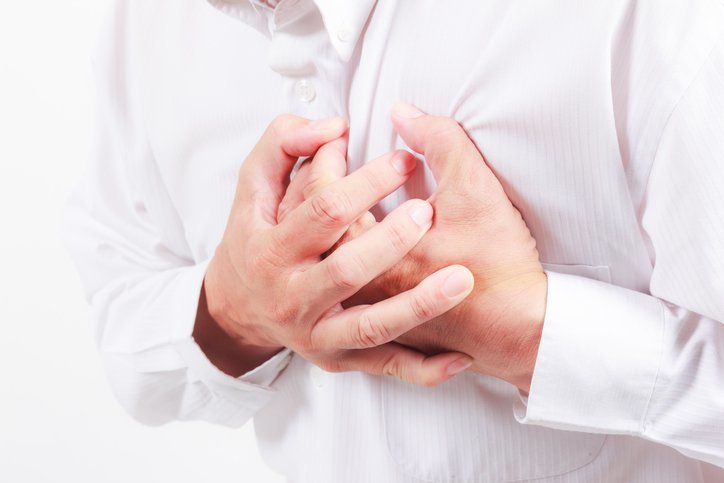
If you are short of breath when you walk or if you experience chest pain, then you are at greater risk of a stroke or heart attack. Do not delay getting medical attention if you have experienced chest pain.

Ignoring mini-strokes
Most people will not recognize a mini-stroke. If you have any of the signs or symptoms of mini-stroke, you need to get immediate medical attention, because this is the most important warning sign that you are at risk of stroke.

What should I remember?
The top 10 signs that you are at risk of a stroke are serious and should not be taken lightly. Make sure you get the right stroke prevention measures for yourself or for someone you care about.

Alert Symptoms of Sudden Heart Attack

Many times we hear someone suddenly having a heart attack even though he previously looked healthy and fit. A sudden heart attack is known as Silent Heart Attack. Research conducted by Atherosclerosis Risk in Communities (ARIC) found that patients who died from heart attacks, nearly half (45%) were caused by sudden heart attacks, which previously did not cause any symptoms. About 20 to 30 percent of people affected by a heart attack experience a sudden heart attack. This often occurs in women and people with diabetes, but does not rule out this possibility to everyone. Along with the results of a study that showed that the chance for sudden heart attack in women and men was almost the same.

Many factors cause the occurrence of a heart attack, but a common risk factor is active smokers, a family history of heart disease, age, high cholesterol levels, high blood pressure, diabetes, lack of physical activity, and overweight. Having these risk factors increases the risk of having a sudden heart attack that doesn’t detect symptoms and signs and increases the risk of experiencing heart failure.

Do not ignore the mild symptoms that appear
Common symptoms and signs of heart attack are chest pain, cold sweating, and extreme fatigue. Most people think that it is just a cold or just ordinary fatigue, but it turns out the symptoms can be a symptom of a sudden heart attack, such as gasping for breath, fatigue without cause, there is discomfort in the throat, neck and jaw .

Some patients also experience stomach pain and most of them only deal with it by taking stalls and don’t think that this is one of the symptoms of a heart attack. Cardiologists at the Cleveland Clinic say that people who have a heart attack should experience mild pain in the left chest but not middle chest pain like those in films. Not a few who think that if a heart attack will feel pain in the middle of the chest as in the films.

First heart attack, second heart failure
According to Dr. Johannes Gho, a cardiologist at Utrecht University Medical Center, said that every one in four people who have a heart attack will experience heart failure later in life. Based on the World Congress on Acute Heart Failure of 24,745 who have experienced the first heart attack, as many as 25% of those have heart failure within a period of four years. The study also states that every ten years at least the incidence of heart failure increases by 45%.

The impact of the first heart attack is to damage the heart tissue to leave a scar. The damaged tissue disrupts the heart’s work, causing an abnormal heart rhythm (arrhythmia). So the heart is forced to work faster and pump blood faster. When the heart is ‘tired’ and is no longer able to pump blood, what will happen next is the heart stops working and heart failure occurs.

How to detect sudden heart attack?
Sudden heart attacks can be detected by routine medical examinations such as an electrocardiogram (ECG) that can monitor the rhythm and heart rate and echocardiography which is useful for seeing the heart’s working function working well or not. But the examination is only recommended for patients who really need it, such as patients who are already known to have heart disease. Therefore, to prevent a heart attack, it is better to make a healthy lifestyle and not ignore the mild symptoms that interfere.

How can a heart attack be prevented?
The main goal after experiencing a heart attack is to try to keep the heart healthy and can reduce the risk of continued heart attack. The effort you can do is by keeping control of the doctor, taking medication and carrying out the recommended examination, and changing your lifestyle towards a healthier one.

Early signs of heart disease in men

Heart disease is one of the main health risks in men today. According to the American Heart Association (AHA), more than 1 in 3 adult men have heart disease, and more than 48% of men die from a heart condition.

Men are at high risk of heart disease. More than 60% of men in Indonesia smoke, which can cause constriction of blood vessels, which appears as a sign of the beginning of certain types of heart disease.

Heart disease can include heart failure, coronary artery disease, arrhythmia, angina, and various infections, irregularities, and birth abnormalities associated with the heart. Even though heart disease appears to be a serious thing that should give a warning sign, you may experience heart disease without knowing it when you do your daily activities.

Early signs of heart disease
The first sign of heart disease is often a heart attack or other serious event, but there are some important signs that must be realized that can help identify the problem beforehand.

In the early stages, symptoms may appear alternately and may only be a little annoying. For example, you might:

Difficulty taking breath after regular exercise, such as climbing stairs for several times
Feeling uncomfortable or depressed in the chest for 30 minutes to several hours
Pain without cause in the upper body, neck and jaw
Heart disease involving blood vessels is often characterized by:

Chest pain (angina)
Short breath
Changes in the hands and feet, such as pain, tingling, numbness, cold, and weakness
This could be a sign that the blood vessels have narrowed. This narrowing, which can be caused by a buildup of plaque, makes it harder for the heart to pump and circulate oxygen-filled blood efficiently throughout the body.

Although technically not an initial symptom, a group of risk factors also indicate an imminent heart disease. For example, if you have diabetes and are diagnosed with high blood pressure, the risk of heart disease increases dramatically.

Common symptoms of heart disease and stroke
The most common symptom of a heart attack in men is chest discomfort including stress or pain. Chest pain was once believed to be the only sign of a heart attack, but there is a possibility of discomfort not pain. This discomfort may also be felt in the arms, back, neck, stomach or jaw. During a heart attack, you may breathe short, sweat a lot, or feel nauseous and dizzy.

Stroke symptoms include numbness or weakness in the face, arms or legs, which often occurs on one side of the body. Other symptoms of stroke are:

Confusion, difficulty speaking or understanding words
Loss of balance or coordination
Changes in vision
Incredible headaches
Many of these changes will appear suddenly and without warning. If you experience these symptoms, immediately call an ambulance.

What to do?
Knowing the symptoms of a heart attack or stroke is one of the most important things you can do to protect heart health. Your ability to recover from one of these diseases depends on how quickly you receive treatment. You can save your own or someone else’s life, by seeking medical attention as soon as possible.

It can be difficult to determine whether you experience symptoms of a heart attack. If in doubt, seek immediate medical attention. Make a regular check-up schedule — even if you think you’re in good health — and tell your doctor about any health changes. Building relationships with doctors with their help determines your underlying health and will help you feel comfortable expressing any problems that will occur the next day.

Read Now,

1. 15 Rights of Wives in Islamic Households

2. Sister Law is Insolent to Sister in Islam

3. 5 Women’s Obligations in Islam

4. The Mandatory Bathing Method for the Right Woman According to Islam

5. 7 Benefits of Being a Person Accustomed to Living Disciplined and Regular

6 Symptoms of a Heart Attack that Only Occur in Women

When a heart attack comes, what women feel is not always the same as what men feel.

Women don’t always get the same classic symptoms as men, such as chest pain that goes down to one arm. Symptoms of a heart attack like this can certainly occur in women, but many also experience vague symptoms or even “quietly” so they might be missed.

Six symptoms of a heart attack often occur in women:

Chest or chest pain feels bad
Chest pain is the most common symptom of a heart attack, but some women may experience it differently from men. Your chest may feel like fullness or squeezing, and pain can occur anywhere; not just on the left side. When a heart attack occurs, your chest usually feels “really uncomfortable,” said cardiologist Rita Redberg, MD, Director of Women’s Cardiovascular Services at the University of California, San Francisco. “It feels like someone is tying your chest with something very tight.”

Pain in the arms, back, neck or jaw
This type of pain is more common in women than men. This may confuse women who think pain during a heart attack will focus on the chest and left arm, not the back or jaw.

The pain can occur gradually or suddenly, and may slowly disappear before suddenly becoming intense. If you are sleeping, this attack can wake you up. You should report any unusual or unexplained symptoms, which occur in any part of your body that is above the waist, with a doctor or other health care provider, said cardiologist C. Noel Bairey Merz, MD, director of Barbra Streisand Women Heart Center at Cedars- Sinai Medical Center in Los Angeles.

Stomach ache
Sometimes people think stomach pain is a sign of stomach ulcers, flu, or stomach ulcers. In fact, in some cases of a heart attack, women experience severe abdominal pressure that feels like an elephant sitting on your stomach, said cardiologist Nieca Goldberg, MD, medical director Joan H. Tisch Center for Women ‘s Health at NYU Langone Medical Center in New York.

Shortness of breath, nausea, or dizziness
If you experience difficulty breathing for no apparent reason, you can experience a heart attack, especially if you also have one or more other symptoms. “It feels similar to if you just finished running a marathon, even though you didn’t move at all,” Goldberg said.

Cold sweat
Cold sweating is common among women who have a heart attack. It will feel more like sweating due to stress than perspiration from exercising or because you spend time outside in the hot air. “Check yourself if you don’t usually sweat like that and if you sweat cold for no apparent reason like hot weather,” Bairey Merz said.

Fatigue
Some women who experience a heart attack feel very tired, even if they have been sitting quietly for a while or not moving much.

“Patients often complain of fatigue in the chest,” Goldberg said. “They claim that they cannot do activities as easily as walking to the bathroom.”

Not everyone gets all of these symptoms. If you feel pressure on the chest, especially if you also experience one or more of the other signs, immediately see a doctor.

Symptoms of Typical Heart Disease in Women

Symptoms of heart disease are not always the same in women and men. If it is not recognized by women and their doctors, this difference can endanger women who have heart disease.

In standard cardiology textbooks, most of the discussion is for the description of symptoms that commonly occur if a person has heart disease. In most cases, this “general” symptom turns out to be a description of the symptoms commonly experienced by men.

However, although many medical textbooks may find symptoms of heart disease in women including “infrequent”, in fact there are more women who die of heart disease than men today. So maybe the more statistically correct is the symptom of heart disease in men who can actually be called “rare”.

If you are a woman, who has symptoms that may be related to heart disease, you should visit a doctor. The following are some ways to distinguish symptoms in men and women.

Angina
Angina is not always the same as chest pain in women. Angina is usually described as depressed chest pain that may spread to the jaw or shoulder, and in men these symptoms are usually the same. However, many women with angina will report a hot or burning sensation, or soft to the touch, which may occur on their back, shoulders, arms, or jaw. Plus, they often don’t experience chest problems at all, so they will rarely suspect heart disease as a cause.

Careful doctors will think about the possibility of angina in each patient (male or female) which describes discomfort anywhere above the waist, which appears during heavy activity.

However, because too many doctors continue to believe that coronary artery disease is rare in women, they may regard the symptoms as muscle and bone pain, or digestive problems, or even emotional disorders.

Moreover, women are far more susceptible to angina than men when their coronary arteries actually appear “normal” during cardiac catheterization. They are often told that their symptoms are only caused by a gastrointestinal disorder (or worse, that their symptoms are only in the mind), while in reality they have significant heart problems.

Heart attack
Heart attacks and acute coronary syndromes may also be different in women than men. Usually, women who have a heart attack will experience nausea, vomiting, indigestion, shortness of breath, or just suddenly and extreme fatigue – but don’t experience chest pain.

Unfortunately, doctors easily associate these symptoms with other diseases. Women are also more prone to stealthy myocardial infarction – that is, a heart attack without acute symptoms at all, which is only diagnosed if the next heart attack symptom appears.

Time to look for medical help
Because the symptoms of a heart attack in women may not be the same as those written in the book, how do you know that you need medical help for symptoms that might be related to your heart? The rules you must follow are very simple – if you think the symptoms are related to the heart, visit a doctor.

Go to a doctor or emergency room as soon as possible if you experience the following symptoms:

Pain, pressure, heat or pressure on the chest, jaw, shoulders, back, or arms, lasting 5-10 minutes
Breath short for no reason for 5-10 minutes
Irregular heartbeat accompanied by dizziness
Quickly ask to be taken to the hospital if you experience symptoms:

Short breath for no more than 5-10 minutes
Nausea, vomiting, or sudden severe digestive disorders
Suddenly sweating for no apparent reason
Extreme fatigue for no apparent reason
Loss of consciousness or fainting, and
Feeling suddenly panic without cause
Again, the key is listening to your body, and following your instincts. If you experience symptoms that interfere in any way, which may even be related to the heart, consult a doctor. If the doctor ignores you, this is a reflection on the doctor, not you, and is a sign that this is the time to find a new doctor, who will do everything necessary to find the cause of your symptoms.

9 Habits that Must Be Implemented Starting Today to Maintain Heart Health

Cardiovascular disease is the largest non-infectious disease that causes death in almost all parts of the world. Applying a healthy lifestyle can greatly help prevent heart disease.

Here are 9 healthy habits that you must apply starting today to maintain heart health. All these tips can still be done by people who already have heart disease.

What must be done to prevent heart disease
Based on WHO data, cardiovascular disease claimed 17.7 million lives every year. Of these total deaths, more than half are caused by coronary heart disease and stroke. Deaths caused by heart disease are expected to continue to rise to 23.3 million by 2030. Here’s how to prevent heart disease from now on.

1. Pay attention to symptoms that may arise
Not only for people at risk for heart disease, being aware of any changes in the body basically must be done by everyone just in case.

One easy way to do this is to write changes or sensations of heartburn that arise every time you feel it. For example, difficulty in breathing, tightness during lying down or during activities, swelling of the feet and hands arises, and other symptoms. Tell your doctor if you feel these symptoms.

2. Exercise routine
Regular exercise can help improve heart fitness and reduce cholesterol and blood pressure, while maintaining a healthy body weight. Exercise at least 30 minutes a day, at least 5 days a week. There is no limit to what types of exercise can and should be done to prevent heart disease. All sports are basically good. You can walk, jog, ride a bicycle, swim, yoga, or even boxing.

If you are not used to exercising, first check with your doctor to see if there are restrictions on what you can or should not do.

Physical activity is not limited to just sports. When you are in the office, schedule a short break to get up, move your feet and hands, and lightly warm to pump your heart. Go to lunch to a place far away by foot, don’t just eat at your desk.

3. Routinely check tension
Routinely checking blood pressure every day can prevent heart disease. In general, blood pressure can be considered normal when it shows a number below 120/80 mmHg. When your systolic number (top number) is between 120-139, or if the diastolic number (bottom number) ranges from 80-89, this means you have “prehypertension”.

Although this number cannot be considered hypertension, this is still above the normal rate. The higher the blood pressure level, the more you are at risk of hypertension later on. Hypertension itself makes you at risk of heart attack and stroke.

Use a hypertension medication that your doctor prescribes if your blood pressure is higher than it should be. Get to the doctor if your blood pressure changes.

4. Limit cholesterol intake
The ideal way to maintain blood pressure is to control your intake of saturated fat and cholesterol always within reasonable limits. If your LDL cholesterol level is more than 200 mg / dL, you should be careful. Bad LDL cholesterol levels that are too high can cause heart problems. If you have had a heart attack, target your LDL to 70 mg / dL or below.

Avoid or limit foods that can increase your blood cholesterol, such as fatty meats, sausages and burger meat, butter, cream, to cakes, biscuits, chocolate, and sweets. In essence, limit the salt, fat, and sugar you eat. Eat lots of fibrous foods and fish.

Sometimes diet and exercise are not enough to reduce cholesterol in some people. Doctors can prescribe cholesterol-lowering drugs such as statins for cases like this.

5. Drink plenty of water
Diligent drinking water can help maintain heart health.

If you have heart disease, you need to ask your doctor whether you need to limit the amount of fluid you get every day. Keep in mind, not only how much you drink. Other sources of fluids also need to be taken into account, such as ice cream, agar and soup.

If you need to limit fluids, weigh yourself every morning. Rapid weight gain can be a sign that fluid is accumulating in your body.

6. Expand eating fruits and vegetables
Foods high in fiber can help reduce cholesterol and blood pressure. Fiber foods also help you manage a healthy body weight. You can get fiber intake from vegetables, fruits, wheat, and nuts.

Avocados, apples, pears and bananas are high in fiber. Meanwhile, broccoli, carrots and spinach are included in vegetables that are high in fiber. Whole wheat, red beans, soybeans, and brown rice are also fiber-rich foods. Low-fat or fat-free milk is also good for health.

You can still eat meat and seafood, but choose lean meat as your source of animal protein.

7. Learn to manage stress
Stress is a natural thing that happens. The problem is not what causes stress, but how we respond. When we are under pressure, the body produces adrenaline which will make the heart work harder. Blood pressure can increase as a result.

Chronic stress can lead to a heart attack if it is not managed properly. To prevent heart disease triggered by stress, you must be smart in managing emotions. If your stress is felt excessive, confide in someone, both the closest person and a professional counselor.

You can also try meditation, yoga, or deep breathing techniques.

8. Stop smoking
If you are a smoker, you should start trying to quit smoking. Smoking can increase blood pressure and damage blood vessels. Therefore, quitting smoking and / or avoiding exposure to cigarette smoke can help prevent heart disease.

9. Take medication regularly (for those who already have heart disease)
Sometimes, lifestyle changes alone are not enough to prevent heart disease. You may need to take blood pressure or cholesterol-lowering medication to reduce the risk of a heart attack. If your doctor has given medicines that you need to consume, you must obey by drinking them regularly according to your doctor’s instructions.

7 Powerful Tips for Caring for Children’s Teeth

The habit of caring for healthy teeth must be done as early as possible. Even though it’s still in the form of milk teeth, don’t let your little teeth become hollow or porous. Caring for baby teeth does have its own challenges Moms, because e-mail on milk teeth is weaker than e-mail on adult teeth.

The seven tips below will help Moms to care for milk teeth Little one, let’s see!

1. Drinking water

Make sure your child drinks lots of water after eating. By drinking enough water, dental problems can be avoided. Drinking water is one way to reduce infection in the teeth after eating.

2. Caring for Gums

Take care of dental health early even before the milk teeth grow. You can clean your toddler’s gums. Use a soft, damp cloth to scrub the gums slowly.

3. Routine Brushing Teeth

Moms, get used to the Little One to always brush their teeth at least twice a day. Brush your teeth for at least two minutes. This habit can be done when the morning before night sleeps.

4. Use a Brush and Toothpaste

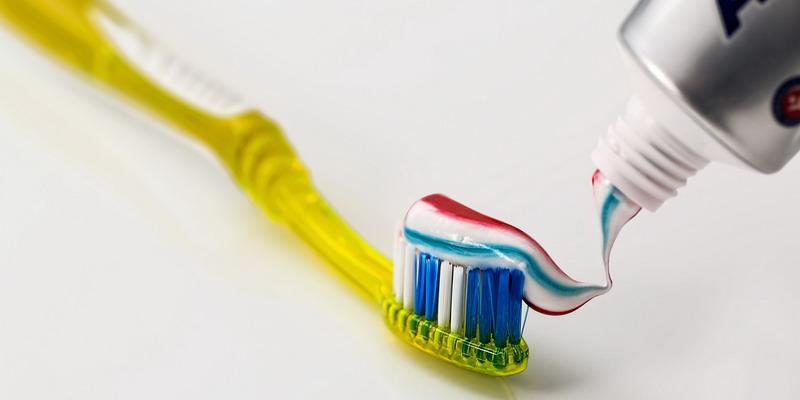
When the milk teeth begin to appear, use a toothbrush to clean them. Start using a little toothpaste, about the size of a grain of rice.

5. Accompany your child to brush his teeth

Always accompany your child when brushing his teeth, to determine whether he has done it right or not. It’s best if you brush your teeth until you can brush your teeth, which is around the age of six.

6. Keep eating intake

You can introduce your Little One with healthy food early so that your milk teeth and permanent teeth will be maintained. Avoid foods that contain lots of sugar. If you want to give sweet food, give it gradually. Train your child to chew so well that he is not used to eating food in his mouth.

7. Check Dental Routine

You can start your baby’s routine dental check-up after the first tooth when he is still a baby, or at the latest when the little one is one year old. Little risk for tooth decay will be greater if the family or parents have a history of certain dental diseases.

How to Take Care of Good and Healthy Teeth

Teeth are tools used to process food when we eat. With the teeth, we can bite, cut, chew, tear, and smooth the food we eat. The process and method of action by a tooth is called digesting food mechanically. Teeth serve to chew food smooth. This greatly helps the performance of enzymes to digest food quickly and efficiently.

Types of Human Teeth and Their Functions – Human teeth are divided into 4 types of teeth which are in mouth based on their shape. The types of human teeth and their functions include the following.

A. Incisors (identical incisors) are teeth that consist of one root which serves to cut and scrape food or other objects. The incisors are on the front with an upright shape and sharp edges. Like a shovel or tatah.

B. Canines (identical canines) are teeth that consist of one root which serves to tear food or other objects. The shape of the canines is high and pointed.

C. Front molars (premolar) are teeth that consist of two roots that function to crush and chew food or other objects. The shape of the front teeth is lower and flatter with small bumps.

D. Rear teeth (molar) are teeth consisting of three roots that function to crush, destroy, smooth and chew food or other objects.

Everyone certainly wants to have teeth that are white, healthy and clean. This desire certainly must be balanced with proper dental care every day.
Not a few people who ignore the importance of dental health care by diligently cleaning teeth every day.

Dental care must be done every day so that when entering the age of no longer young, the shape of the teeth is not easy to experience fragility and problems with the teeth

How not, without healthy teeth, we will find it difficult to chew and swallow food.
Maintaining dental health itself includes easy work.
To maintain dental health, discipline and healthy living habits are needed.

Here are a few simple ways to treat strong and healthy teeth:

Do regular brushing twice a day, preferably after eating and before going to bed.

When doing the routine of cleaning your teeth by brushing your teeth, do it slowly and gently at the top and bottom of the tooth.

Choose toothpaste products that contain fluoride, this content can help prevent damage that occurs to the teeth.

Change your toothbrush at least once every 3 months or faster, better. Don’t use a toothbrush with split ends.

Reduce foods that give sweetness, you can eat protein sources such as meat, eggs, fish and beans.

And finally, Stop smoking, because nicotine substances in cigarettes can cause yellow on the teeth and cause bad breath.

That’s 6 ways to treat teeth to avoid various types of cavities and so on. Caring for teeth is not easy, it must be consistent with yourself to be maintained from consumption of food that is not good

9 Important Facts about Dental Care

Brushing your teeth doesn’t just make your teeth and your baby’s teeth brilliant, you know.

Below are 9 important facts you need to know about dental and dental care.

1. Bleeding gums can cause heart disease
Gums that bleed in the mouth that mate due to plaque and cavities will eventually make way into your bloodstream. Blood will pass through your heart, and this condition is dangerous. Besides being able to cause heart attacks, this condition can also cause other diseases, such as strokes, dementia and diabetes.

2. The duration of brushing most people is not long enough
On average, people spend 48 seconds or 38.5 days brushing their teeth throughout their lives. In fact, according to drg. Jehezkiel Martua, dentist and Oral Health Care Expert Marketing at GlaxoSmithKline (GSK), the right duration for brushing teeth ranges from 2-3 minutes.

3. Gargling too much is not good
Most people rinse 3-4 times after brushing their teeth. In fact, too much gargling will actually get rid of the active ingredients in toothpaste that work to protect your teeth.

4. Bad breath caused by cavities
Damaged teeth will become a germ nest. According to drg. R Ngt Anastasia Ririen Pramudyawati from Permata Pamulang Hospital, cavities can be a place for plaque to accumulate, food scraps, including tartar where various oral bacteria will move. This is what causes bad smell in it.

5. Helmet toothbrush instead becomes a nest of bacteria
Remove your toothbrush helmet now! According to research from the American Society for Microbiology, the results of the study show the fact that brush bristles covered with helmets are not hygienic, because it is an ideal place for bacteria to continue to proliferate on the brush head. If the helmet is going to travel just to keep it clean.

6. Mouthwash should not be used when finished brushing your teeth
To maintain freshness of the mouth, many people who immediately use mouthwash fluids when they are finished brushing their teeth. Health experts actually strongly discourage it because it will eliminate fluoride previously obtained from toothpaste.

The most recommended use of mouthwash is at a different time than we brush our teeth like after lunch. Not only that, it’s good that we don’t eat and drink anything within half an hour after using mouthwash.

7. Brushing your teeth does not rule out the child’s teeth starting before he is 4 years old
Since a child has 1 tooth, you can help brush his teeth. However, brushing your teeth does not rule out the child’s teeth starting before he is 4 years old. If so, contact your dentist immediately because this could be a sign of tooth decay. Similarly, if permanent teeth have not grown until he is 8 years old.

8. Women are more diligent in brushing and caring for their teeth than men
The average woman smiles 62 times every day, while men only 8 times. Apparently, women are more diligent in brushing and caring for their teeth than men. This fact is quoted from a survey of 13 thousand people in the UK.

9. Brushing teeth more efficiently
Brushing your teeth regularly can save you money. The reason is, a well-groomed and clean tooth will save you the cost of dental care for a lifetime and can also maintain the stability of your physical condition.

Causes and Ways to Take Care of Cavities in Children

Every parent wants their children to enjoy strong and healthy teeth. Unfortunately, children are more prone to cavities because the enamel in their milk teeth is weaker than the enamel in adult teeth. Plus, children’s awareness to maintain healthy teeth and mouth is still low, so the risk of children experiencing high cavities. Therefore, it is important for parents to know the various causes of cavities and what you can do to protect your child’s teeth.

Causes of cavities in children
The bacteria in your child’s mouth naturally multiply, forming a sticky substance called plaque. This plaque can coat the surface of the teeth. Along with the habit of children eating sweet foods and drinks, the bacteria on the plaque will also produce acid. The acid found on the plaque will slowly erode the hard enamel and make holes in the teeth. Untreated tooth damage will worsen and can cause tooth loss.

In general, the causes of cavities in children are triggered by many interrelated factors. Some of the factors that cause cavities in children that parents need to know include:

● Eat Sweet Food Habits
Children love eating sweet foods and drinks such as milk, ice cream, cakes, chocolate, cereals, and so on. In fact this habit can cause bacteria in the mouth to produce more acid which in turn triggers tooth decay.

● Lack of Drinking
In addition to eating habits and sweet drinks, lack of fluid intake can also be a cause of cavities in children. Low fluid intake causes little production of saliva in the mouth. Though saliva helps fight acids produced by bacteria in the mouth.

● Drinking Bottles to Sleep
One of the most common causes of cavities in children is the habit of drinking bottled milk at the age of the baby to sleep. Sugar contained in milk can settle into destructive acids to trigger cavities.

● Not Brushing Teeth Clean
The back teeth are one of the most vulnerable teeth with holes because these teeth tend to have many grooves and cracks. As a result, the back teeth are difficult to reach with a toothbrush. If the child does not brush his teeth clean, plaque and bacteria will nest there. In the end it can be a cause of cavities.

● Fluoride deficiency
Children aged 3 years or more can use toothpaste containing fluoride. Of course in a small amount. Fluoride itself is a natural mineral that helps prevent cavities and even repair tooth decay experienced by children in the early stages.

What are the symptoms of cavities in children?
In general, cavities will depend on how big the hole is formed and where it is located. Usually the earliest sign of tooth decay is the presence of white spots on one or several teeth. The appearance of white spots on the teeth indicates that the tooth enamel starts to break down. White spots will gradually change to brownish spots accompanied by the appearance of holes. The deeper the hole, the darker the color.

Small holes may not cause symptoms. However, if the hole formed is large, it usually causes symptoms such as:

Toothache, especially when the child chews food or when he presses his teeth.
Children’s teeth become very sensitive.
Children often feel tooth pain spontaneously without knowing the obvious cause.
Mild to sharp pain when children eat or drink something sweet, hot, or cold.
Caring for cavities in children
Basically the way to cope with cavities in children depends on their age and severity. If new yellowish / brown spots appear on the teeth, brushing your teeth regularly at least twice a day using fluoride toothpaste is the best solution.

Fluoride toothbrushes can be used in children aged 3 years. However, use just a little, about the size of a corn seed. If the child is over 3 years old, you can add a dose of toothpaste to the size of a pea. Teach children to rinse and remove water after brushing their teeth. Also convey to the child that toothpaste is not food, so he may not swallow it. Generally children can be taught to rinse when they are 2 years old.

Meanwhile, if the child often complains of toothache to cause disturbed daily activities, this means that tooth decay experienced by the child is advanced. If this is the case, the child must immediately be taken to a pediatric dentist (Sp. KGA). Pediatric dentists generally have rooms and equipment specifically designed with cheerful colors, so they can attract their hearts. This certainly makes the child feel comfortable to do a dental check.

The treatment and treatment performed by the doctor will be adjusted to the psychological and condition of the child’s teeth. The dentist may empty the damaged part and patch or pull it out.

Preventing cavities in children
The key to preventing cavities in children is to combine oral hygiene and a healthy diet. This can be done by:

● Teach Diligent Children to Brush Teeth
Children must be taught to brush their teeth twice a day early. Plant it to always brush your teeth in the morning and evening. Children generally have started being taught to brush their teeth since their first four teeth grew. You can help brush your child’s teeth and slowly let him learn to do it himself. But if your baby’s teeth have not yet grown, you can get used to gently cleaning the gums with a soft cloth every time you finish feeding.

This habit is actually easy, it’s just difficult to run consistently. Given that children have moods that tend to be unstable. If he is excited today, not necessarily the next day he feels the same way. Now, so that children are more eager to apply these good habits every day, you have to make the routine of brushing your teeth a pleasant habit. This can be started from the selection of a child’s toothbrush and toothpaste that matches his favorite character. It must be understood that children are great imitators. So if you want your child to apply this good habit, then you have to apply it too.

● Recommend Healthier Foods
Because bacteria on plaques eat sugar and starchy foods and soft drinks, try to start introducing healthy foods that are rich in nutrients to children. Healthy foods such as fruits and vegetables in addition to being rich in nutrients can also help mineralize your child’s saliva. This helps prevent tooth decay caused by plaque.

Some children may not like to eat vegetables because they tend to be tasteless. Well, here is the task of parents to think creatively in making food menus that can attract small hearts.

No less important, teach children to routinely check their teeth to the doctor every 6 months. So, don’t wait until your child feels a toothache and then you take him to the dentist. Remember, the earlier teeth and mouth problems are detected, the easier the treatment will be. This can also prevent further tooth decay in the future.

Makes Good Oral Hygiene As Part of Routines
Keeping oral hygiene every day is important. Many parents assume that damage to the milk teeth is only temporary and will disappear by itself when the child’s permanent teeth grow. As a result, the health of your baby’s teeth and mouth is often overlooked. In fact, damaged milk teeth will affect the growth and development of their permanent teeth later.

Therefore, you need to teach children to diligently brush their teeth from the first tooth they grow. When they can brush their own teeth, you still need to monitor them until they are six years old.

Make sure they:

Drink lots of water after eating.
Brush their teeth twice a day, morning after breakfast and the night before going to sleep for at least 2 minutes.

Brushing the surface of each tooth using a toothbrush that fits in their mouth. Pepsodent Toothbrush is specifically designed for children. Toothbrush must be replaced every two to three months or after the brush has expanded.

Use fluoride toothpaste (for children over two years). Pepsodent Kids offers a series of fluoride toothpastes that help prevent damage to teeth.
Using floss is something that children tend to avoid, but it is important to do it every day to prevent the formation of plaque between teeth due to accumulated food debris.

Don’t forget, routinely check your child’s dental and mouth health to the doctor every 6 months.
If you can instill the habit of cleaning your teeth properly, they will be able to treat their own teeth and gums. This will prevent tooth decay early, so that they can enjoy healthier and wider smiles during the years ahead.