5 Mental Strategies That Must Be Held To Successfully Lose Weight

5 Mental Strategies That Must Be Held To Successfully Lose Weight

Success in losing weight is not an easy matter. The dream of reaching the ideal body weight has long been imagined, sweet promises for diet have also been campaigned since a long time ago, even sports plans have long been made. Unfortunately, there is no action that has actually materialized to achieve that dream.
Remember, the process of weight loss is not just about diet and regular exercise. Have you equipped yourself with key strategies to gain ideal weight?
In order to succeed in losing weight, don’t forget …
Dieting carelessly without special preparation will not make the effect of weight loss last long, said Brian Quebbemann, MD, as the founder of the NEW program (Nutrition, Exercise, Wellness) in California. In a short time, weight can go back up because it is not properly maintained.
Therefore, before enjoying healthy physical changes that have long been dreamed of, you should first equip yourself with a mental strategy as the key to the beginning of the process towards ideal body weight.
1. Determined
Getting started is generally the most difficult thing to do. Especially if not accompanied by strong intentions. Now, try to think about what reasons make you want to lose weight. Whether because it prevents chronic diseases, does not believe in body shape, or the size of clothing that is getting bigger and bigger.
Imagine what things you will get later after successfully losing weight. Praise from people about your body shape, avoid the risk of chronic diseases, or other things that you have long dreamed of.
Avoid thinking too much about bad possibilities that might not necessarily occur. The more determined intention you have, the stronger the spirit to live and maintain a diet.
2. Ask for support from the closest person
Don’t underestimate the positive energy of people around in the process of weight loss. Ask for family support, friends, and even office friends to help monitor your daily life.
Tell them not to hesitate when you “steal” two plates of food in one meal, lazy to exercise, or other things that can interfere with the running of your weight loss plan.
That way, you will feel that you have responsibility for others. Not only on yourself.
3. Make a small goal
One thing you should not miss in listing your mental strategy is setting the final goal. However, instead of directly setting targets that are too high that tend to be difficult to reach, it’s better to set a small target for the short term first.
The picture is this, if you have a goal to lose 10 kilograms (kg) of body weight in the next 3 months, then try it gradually by reducing 3 kg every month. Or if you want to eliminate the habit of eating junk food 3 times a week, start by reducing it only 2 times a week, then gradually become 1 time, until finally you can’t eat junk food at all.
In essence, set simple targets that can at least encourage you to continue to reach the final goal. Instead, do not arrive because the target you make looks very heavy and instead shrinks your enthusiasm to achieve it.
4. Don’t focus too much on the scales
The numbers listed on the scales are usually one of several determinants of the success or failure of your business in losing weight. Only, it turns out you are not recommended to weigh weight every day.
In addition to being able to change weight every day, you can be stressed because you are too concerned about changing the scales needles so you don’t even focus on the process you are currently living in.
Instead, set a specific time to weigh your weight, for example once a week. In addition, another thing that you must remember is that the scale is not the only determining factor in the diet.
Body circumference that is getting smaller even though it is not accompanied by weight loss, is also a sign that the diet and exercise that you live are right.
5. Reward yourself
After setting a target for a certain period of time, now is the time for you to prove it in a process. For the sake of motivating yourself to succeed in losing weight, it never hurts to occasionally reward yourself with various favorite activities.
For example watching movies, pampering yourself in a beauty salon, buying the latest novels, and other interesting things besides food. You can do this routine every time you reach your target at a certain time. It is like this gift as a sign of your gratitude to yourself after struggling for so long.


Can Pilates Really Help Lower Weight?

Can Pilates Really Help Lower Weight?
Of the many types of exercise, pilates is one of the yoga-like exercises that are popular with many women especially. If usually many women exercise to lose weight, then can Pilates be an option? Here’s a review of the benefits of pilates, especially for weight loss.
Can Pilates help you lose weight?
Pilates is a low impact exercise that is effective in strengthening, building lean muscle, and improving posture. Low impact sports means the type of exercise where the second or one of the legs is still attached to the floor. The question is, can Pilates help you lose weight?
Pilates can help you lose weight as long as it is combined with various sports and other healthy habits. Unfortunately, because Pilates is a low impact exercise, this exercise is not as effective as cardio for weight loss.
However, if you are diligent in taking Pilates classes and are consistent in combining them with sports and other healthy habits, it is not impossible that the scales will go down to the expected numbers.
If your goal is to lose weight, try Pilates and combine it with cardio exercise such as swimming, running, or cycling. In addition, you also need to be consistent to eat healthy foods and reduce bad fat intake and increase healthy fats, fruits and vegetables.
How many calories are burned when doing pilates?
Usually, the number of calories burned during pilates depends on your current body weight. In addition, the amount also depends on the type of pilates class you are taking.
For example, if you weigh 68 kg, for a beginner pilates class that is done for 50 minutes, the body will burn about 175 calories in one exercise. However, if you take a pilates class with a higher level of difficulty then in 50 minutes you can burn about 254 calories.
Meanwhile, to lose about 0.5 kg of body weight, you need to burn about 3,500 calories. Therefore, combining pilates classes with various cardio exercises is the right choice for those of you who want to lose weight.
In addition, you can also try combination pilates classes such as Piloxing (pilates and boxing or boxing) and Yogalates (yoga and pilates). Through this combination class, the body will burn more calories than ordinary pilates classes.
Doing exercises two to three times a week especially taking combination classes can help you get the ideal weight.
The benefits of pilates besides losing weight
Although the purpose of doing pilates wants to lose weight, but you can also benefit from other pilates. Pilates helps strengthen the muscles in the stomach and back. That way, fat deposits in the center of the body such as the stomach become disguised.
So, even though you actually don’t experience weight loss but when your abdominal muscles tighten your body will feel slimmer. In addition, Pilates also helps improve body posture to become more robust. So that the bones look longer because this one sport helps maximize your range of muscles and bones.

Great Benefits of Pilates for Improving Body Posture

Have you ever heard of the type of Pilates exercise? Pilates is a type of exercise performed by making unique movements with the help of pilates. However, behind the simple-looking activities, it turns out that this exercise is very good for improving your posture. Why is that? Come on, see the explanation below.
Read Now:
Get to know the origin of Pilates
Pilates was first discovered by a German man, Joseph Pilates. During his childhood, Joseph experienced many diseases, such as asthma and rheumatic fever. As he grew up, Joseph became interested in the gym so he often exercised and eventually became less frequent. Joseph also concluded that one of the causes of a person experiencing illness is lack of exercise.
From there Joseph developed a type of exercise that can balance the health of the mind and body. The sport is called Pilates, which is actually a combination of gym, martial arts, yoga, and dancing.
Pilates is synonymous with movements that make the muscles of the body work hard. However, even though it’s tiring, the faster the muscles in the body will be formed.
Is it true that Pilates is able to improve body posture?
Body posture is certainly very important for the appearance and health of one’s body. The existence of a bad posture can make the muscles and bones not symmetrical. This can then injure and interfere with the work of vital organs such as the heart and lungs.
Those who experience scoliosis (oblique spine structure) also have a higher risk of developing osteopenia (a disorder of the bone due to loss of density). They will also experience limitations in activities, such as being unable to sit or stand for too long to experience pain in the back of the back.
Well, pilates can help reduce the degree of slope of the spine in people with scoliosis. Not only that, pilates movements can help control the severity of scoliosis symptoms, including reducing pain due to scoliosis.
In addition, various movements in the Pilates sport can strengthen and increase the body muscle mass. Because of that, do not be surprised if this sport can increase flexibility and endurance so that this sport is perfect for those who work as beautiful dancers or swimmers.
The existence of techniques that can improve body posture and maintain the symmetry of the body when standing also makes pilates can improve balance and help control the movements you make. The techniques in Pilates also emphasize the activity in the muscles in the lumbar spine so that it can make the waist and spine more balanced. That way, your posture looks more ideal.
The benefits of improving this posture are obtained through various movements in pilates which require working muscles so that they will form muscles and the movements are carried out repeatedly, starting from the initial stage to more difficult levels.
Tips for doing pilates for beginners
The purpose of pilates is to maintain the strength of the muscles around the spine. In running Pilates, there are several main keys, namely:
Breathe in relief until you can feel the widening in your lower ribs.
This technique is done by learning to find a neutral position in the spine by involving the right muscles.
When you do movements involving the head and neck, avoid pressing your chin to the neck.
When you start doing pilates, do it in an atmosphere that is calm and relaxed. Start from the initial stages first. Only when you get used to it can you increase it to a higher level.
When doing pilates movements, you also have to use the strength of your abdominal muscles, pull the back side up, and tighten your buttocks.
Here are a few examples of simple Pilates movements that you can do at home:
Simple leg lifts. This movement is quite simple. Lift and move the bottom of your foot alternately. Do it up to 5 times.
Alternating leg lifts. Performed by lifting the right leg, followed by the left foot, so that your feet are raised. Then lower your right foot followed by the left foot. Repeat up to five times.
Single leg kick. You can do this while lying on your stomach and your upper body held by both arms. Then, bend one of your legs towards the buttocks. Also do it on the other leg alternately. Repeat this movement five times.
The important thing is to note when doing pilates
Concentrate on every move you make. Remember, there is no part in your body that is not important.
Take control of your every move. Not only big movements, every small movement you must be able to control it to improve your posture.
Do each movement slowly and surely. Don’t be too stiff and don’t be too fast or too slow to do every move.
After completing pilates, don’t forget to cool down. This cooling technique is done by leaning against the wall then open your legs wide and relaxed. Breathe relaxed and bend over for a few moments. After that you will definitely feel more calm and refreshed.

Alert! Infectious Syphilis Sexually Transmitted Diseases Also Stalk Babies

Alert! Infectious Syphilis Sexually Transmitted Diseases Also Stalk Babies
Infectious sex such as syphilis aka the king of lions is usually very vulnerable to occur in people who do not have sex safely or mutually spouse. Although it is indeed experienced by many adults, in fact this infectious disease may occur in infants. In fact, the little one has been infected since he was still in the womb. This happens because the mother has syphilis to infect her fetus. This condition is called congenital syphilis. So, how dangerous is congenital syphilis for the baby? Can it be cured?
Congenital syphilis, a life threatening infection
Congenital syphilis is a serious infection that can result in lifelong disability and death in newborns. Pregnant women infected with Treponema pallidum can transmit the bacteria to the fetus through the placenta into the body of the fetus.
Congenital syphilis is a life-threatening infection because it can attack various organ systems in the developing fetus’s body. Syphilis infections can affect various organs of the body including the brain, lymphatic system to bones.
Pregnant women are very likely to transmit infection to the fetus, especially if the disease is not treated and occurs in the second trimester. This infection can also increase the risk of low birth weight, premature birth, miscarriage, or stillbirth.
Symptoms experienced by babies
Initially, a live-born baby from a mother who has syphilis may look healthy and fine. But over time some symptoms can arise. Usually babies under 2 years who experience congenital syphilis will experience:
Bone disorders
Enlarged liver
Did not experience significant weight gain compared to the weight at birth
Often fussy
Meningitis
Anemia
The skin breaks around the mouth, genital and anus
A rash appears on the skin
Cannot move arms and legs
Frequent discharge from the nose
In infants and children, the symptoms of congenital syphilis can be:
Tooth growth abnormalities
Impaired bone
Blindness or interference with the cornea
Hearing loss to deafness
Impaired nasal bone growth
Swelling of joints
Skin disorders around the mouth, genital and anus.
How can congenital syphilis be recognized?
Early detection of disease in pregnant women can be done by conducting various blood tests such as Fluorescent treponemal antibody absorbed tests (FTA-ABS), Rapid plasma reagin (RPR) and Venereal disease research laboratory test (VDRL). Detection and treatment as early as possible will be very useful to prevent transmission to the fetus.
In a newborn, if a syphilis infection is suspected, placental examination can be carried out accompanied by a physical examination of the baby for symptoms in the organs of the body. Physical examination of the baby includes:
X-rays in bones
Eye examination
Microscopic examination of syphilis bacteria
Blood test (same as for pregnant women).
How to deal with cases of congenital syphilis in infants?
In pregnant women, treatment will only be effective if syphilis infection occurs in the initial phase by administering penicillin-specific antibiotics by a doctor. The treatment of advanced syphilis will be very dangerous for the fetus so that it can cause a reaction to spontaneous abortion.
If the baby has been born, handling the infection also uses specific antibiotics by the doctor as early as possible in the first 7 days after birth. The antibiotic drug administration regimen will also depend on the condition of the baby’s weight and the history of infection and treatment of the pregnant woman.
The final symptoms in elderly infants to children prescribed antibiotics may also be needed with a gradual reduction of antibiotic doses and also accompanied by specific treatment for other organs that may be affected by infections such as the eyes and ears.
Can this congenital syphilis be prevented?
Congenital syphilis infection is very dependent on the condition and history of infection in pregnant women. Applying safe sexual behavior before the conception period can prevent you from infection and the risk of transmitting syphilis. If you feel at risk of experiencing a syphilis infection, immediately consult a doctor. Treatment as early as possible can avoid syphilis infection in the advanced phase.
Examination in pregnant women should also be done as early as possible in the first trimester of pregnancy. Examination must also be done again if the pregnant woman is diagnosed by other sexually transmitted diseases during pregnancy.
Opportunities for recovery for mothers and babies avoid infection are very large if syphilis is detected and treated early. In some cases, syphilis treated during the late pregnancy can eliminate infection in pregnant women but symptoms of syphilis infection can still be seen in newborns.

4 Causes of the appearance of red spots on the skin

4 Causes of the appearance of red spots on the skin
Skin is a part of the body that is often exposed to foreign substances, and even becomes a place for discharge from the body in the form of sweat. That is why the skin is susceptible to many disorders, such as red spots on the skin. The skin disorder feels itchy and is also very disturbing. What causes red spots on the skin that you can experience now? Consider the following review.
Causes of red spots on the skin
Although both cause red spots on the skin, the causes of these symptoms can vary. Therefore, understanding the symptoms can help you be aware of conditions that might require the doctor’s treatment. Some causes of red spots on the skin, namely:
1. Prickly heat
Prickly heat or miliria not only occurs in infants, but also in adults. Especially when the weather is hot. This condition is caused by sweat trapped under your skin. Signs and symptoms vary, from rashes in the upper layers of the skin, sometimes the rash is fluid or causes lesions. These skin disorders usually heal by themselves, but can get worse and spread. This depends on how you treat the affected skin.
Because the main cause is sweat, you should avoid activities that make you sweat, wear clothes that are loose and absorb sweat, and make sure the room temperature remains cool. If you are really bothered by this prickly heat, you should check with your doctor.
2. Fungal infections (candidiasis)
Various types of bacteria or fungi live and grow on the skin, but most are not dangerous. These various organisms are indeed needed to balance the skin. However, when the growth is out of control, this can cause fungal infections. Candida fungus is a fungus that has the potential to cause fungus (candidiasis), cause red spots on the skin, itchy, and feels sore.
Generally this condition occurs around the folds of the skin, such as the armpit area, groin, under the breast, the corners of the mouth, or between fingers. usually this condition occurs in people who lack personal hygiene or other underlying conditions, such as diabetes. This skin disorder is actually not contagious, but people with weakened immune systems can experience this condition when they touch the skin of an infected person.
Doing treatment at home can help cure the skin from this condition. For example, by maintaining cleanliness of the body, using antifungal drugs, and reducing consumption of high-sugar foods and drinks.
3. Scabies (scabies)
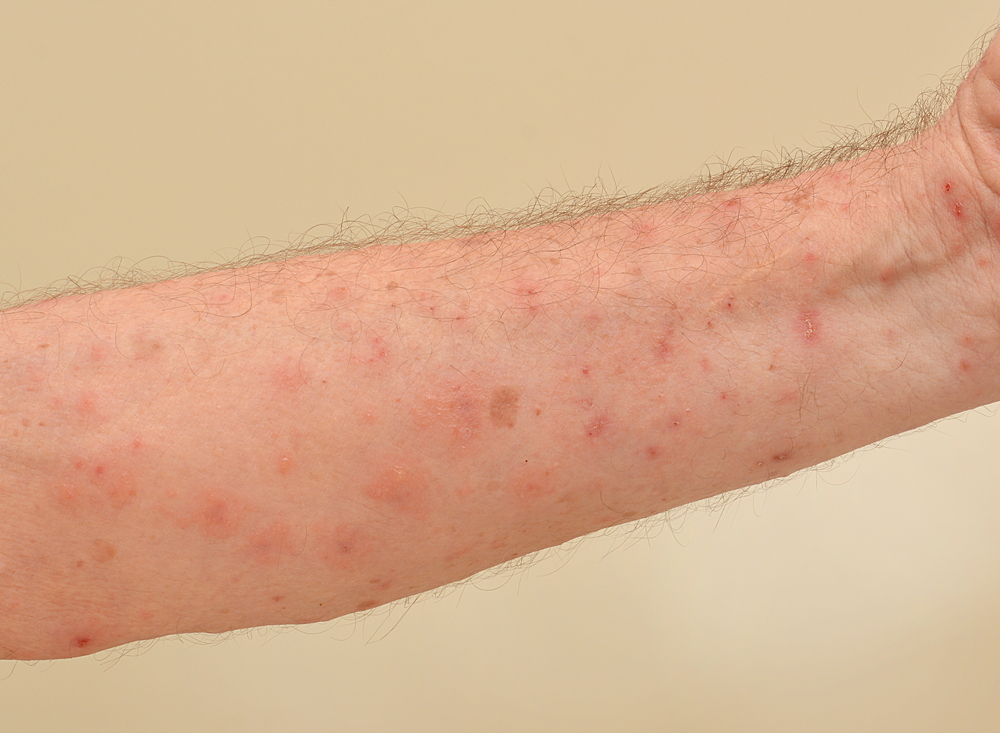
Scabies is caused by lice Sarcoptes scabiei var. living hominis and laying eggs on the skin. The most common symptoms are usually itching and red spots resembling zits. These spots can spread rapidly from the skin to the skin or objects used on crusty skin. However, if it is not on the skin, this parasite will not last long. In someone, scabies can live for 1-2 months, but when moving to another person’s body through an intermediary will last in 2 or 3 days. This condition can be cured with drugs that kill the parasites and their eggs on the skin.
Scabies will not survive if the surrounding temperature is 50 degrees Celsius. For this reason, when washing clothes, blankets, towels and other objects, soak them in hot water and rinse thoroughly.
4. Syphilis
Syphilis is an infectious disease caused by Treponema pallidum through sexual activity, be it oral or anal sex or infected person’s body fluids about open wounds of healthy people. Symptoms that appear are red spots become small wounds, but not painful. This will appear on the genitals or around the mouth and will heal in six weeks without treatment and leave scars. However, it can also develop on the palms or feet.
Because symptoms on the skin are almost like other diseases, syphilis will make the affected person have warts around the groin, white spots in the mouth, swollen lymph nodes, fever, and weight loss. Quoted from WebMD, if the infection is not treated, it can proceed to a stage characterized by problems in the heart, brain, and nerves that can cause paralysis, blindness, dementia, deafness, impotence, and even death.

3 Harmful Bacteria That Cause Sex Problems in Your Vagina

3 Harmful Bacteria That Cause Sex Problems in Your Vagina
As you already know, venereal disease is a disease that attacks a person’s sex organs. This type of disease is usually transmitted by sexual activity, so it is called a sexually transmitted disease. The effects vary, from starting itching, pain to causing infertility or infertility.
Of course this is very unpleasant for everyone who experiences it, given the very importance of genitals for humans for reproduction. However, do you know what causes venereal disease?
Most causes of venereal disease are bacteria
There are various types of organisms that are the cause of venereal disease, namely fungi, viruses, and bacteria.
However, in general, bacteria are the main cause that attacks a person’s sex so that it can cause disease. Bacteria that cause venereal disease vary, causing different symptoms.
As you know, bacteria are the smallest organisms that can only be seen through a microscope. Bacteria will attack the body’s cells so that they can double their numbers. The cells that are attacked will lose their function and cause symptoms and signs of disease in the genital tissue.
What are the bacteria that cause venereal disease?
1. Chlamydia trachomatis causes chlamydia
Chlamydia trachomatis causes chlamydial disease. Chlamydia trachomatis belongs to the genus Chlamydia and has an irregular shape. He needs a host in other living cells, so that these bacteria cannot live outside the body of living things. This is why these bacteria like to attack column epithelial cells in the cervix (cervix), urethra, and rectum in humans.
This bacterium infects 131 million people globally per year. This number is only a rough estimate, because chlamydia generally does not produce typical symptoms. This causes people not to know whether they have been infected with this disease or not.
Even if symptoms arise, they are often misunderstood as other common diseases such as genital pain, vaginal discharge or discharge from the penis.
Other symptoms that can be caused by chlamydia are fever, vaginal or testicular swelling, lower abdominal pain, abnormal vaginal fluid, abnormal discharge from the penis, pain when pee, and pain during intercourse.
Remarkably, chlamydia not only infects the genitals, but can also infect the eye and cause inflammation of the lining of the eye (conjunctivitis). This occurs if the infected vaginal or sperm fluid is affected by the eye.
These bacteria can only be infected through sex and not because of other reasons, for example using public toilets or using towels of people who are infected.
2. Neisseria gonorrhae causes gonorrhea or gonorrhea
Neisseria gonorrhae is a bacterium that causes gonorrhea or commonly called gonorrhea. These bacteria include the type of gram-negative bacteria that are shaped kokus or round. Usually, these bacteria attach to two-two so called diplococcus.
These bacteria can easily multiply on mucous membranes such as in the mouth, throat and anus and in genital organs such as the cervix, fallopian tubes and uterus.
People with gonorrhea can have signs and symptoms such as pain or heat sensation when urinating, gonorrhea, sore throat, pain in the genitals to swelling or redness in the male pee hole.
3. Treponema pallidum causes syphilis or lion king
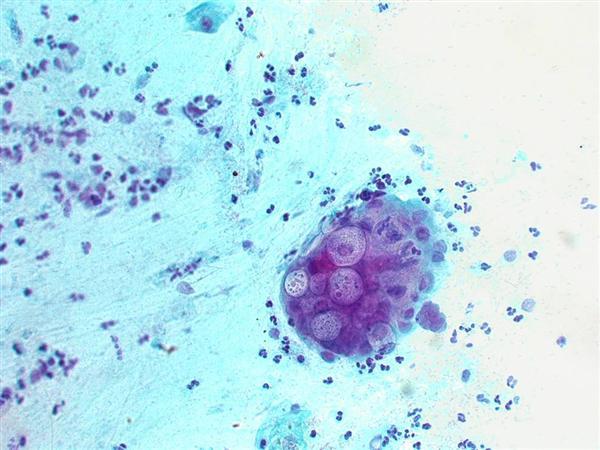
Treponema pallidum is a kind of spiral negative gram bacteria. This bacterium causes syphilis or commonly called the lion king. Like the other two types of bacteria that cause sexually transmitted diseases, these bacteria are also gram negative bacteria. The bacterium that causes syphilis was discovered initially in 1912 in Japan by Hideyo Noguchi.
Syphilis or the lion king has long been feared by people, because its widespread effects can even cause permanent damage to vital organs such as the brain and heart. In addition, syphilis can also be transmitted from mother to child in her womb. This is called congenital syphilis.
The initial symptoms of this disease are ulcers in the genitals, anus, or mouth, but not painful. These ulcers will usually heal within five weeks. Then fever, headache, own pain, sore throat, swollen lymph glands in the armpits, thighs or neck appear a rash on the penis, vagina or mouth and palms and soles of the feet. This stage can last for years.
Then, over the next 10 to 40 years, syphilis does not produce typical symptoms until damage to the brain and heart arises. Of course this can be fatal if not detected at the beginning. How to prevent it immediately consult a doctor if a rash appears in your groin area.
How to protect the vagina from bacteria that cause venereal disease?
Bacteria can live and develop in the vagina. Your vagina is a place that is suitable for bacteria because of its humidity.
One way to prevent the transmission of bacteria that causes venereal disease is to always have sex when your partner uses a condom. Condoms are the only contraceptive that can prevent transmission of sexually transmitted diseases.
It is also important to keep your genital area clean after sex.
The vagina is a place that supports the proliferation of bacteria, especially during menstruation. Therefore, you can use a female cleanser containing povidone iodine to clean the outside of the vagina. With the content of Povidone-Iodine 10%, this liquid effectively kills bacteria that cause venereal disease.

Detect Diseases from Your Vaginal Fluid Type

Detect Diseases from Your Vaginal Fluid Type
Vaginal fluid is one of the most important elements in the health of a woman’s sex organs. However, many women are still ashamed or reluctant to learn more about the various types of liquids produced by the vagina and their meanings. In fact, only from vaginal fluids you can detect the possibility of certain diseases. Come on, find out the types below!
What is normal vaginal fluid like?
Normal fluid is often referred to as vaginal discharge. Its function is to cleanse the genitals of various types of bacteria and dead skin cells. This discharge of vaginal discharge means your vagina is still healthy and functioning properly.
The characteristics of normal fluid in the vagina are clear or white, odorless, thick and sticky, and not too much volume. Usually these characteristics change according to a woman’s menstrual cycle. For example, the volume of fluid increases when you enter the fertile period.
This whitish liquid is still natural as long as the color, texture, and volume do not change. If there is a change, this may indicate a certain disease.
Vaginal fluid is cloudy
If the colored vaginal fluid is more turbid than usual and accompanied by a fishy or stinging odor, you may have a vaginal bacterial infection. This fluid will usually become more after having sex or before and after menstruation. This infection can be treated with special ointments and antibiotics from the doctor.
In addition to bacterial infections, cloudy fluid with a very thick texture that looks like a lump may indicate vaginal yeast infection. Infection caused by this fungus usually also causes the vagina to feel itchy and sore. This disease can be cured with vaginal antifungal ointment and oral medication.
Vaginal discharge is cloudy yellowish
If the liquid that comes out is cloudy yellowish, followed by pain in the vaginal area and difficult to hold urine, you may have gonorrhea. Usually this disease is also characterized by vaginal bleeding when you are not menstruating. Doctors generally prescribe antibiotics or other drinking drugs to treat gonorrhea.
Other diseases that might attack you are chlamydia. Like gonorrhea, you may feel pain when urinating or having sex. This yellowish turbid liquid also gets a lot more. To treat chlamydia, you also need antibiotics.
Vaginal liquid is greenish yellow
Foaming liquid with a greenish yellow color and unpleasant smell indicates trichomoniasis. Other symptoms that may appear are the vagina feels itchy and sore. To overcome this, you need treatment with antibiotics.
In addition to trichomoniasis, yellowish vaginal fluid accompanied by an unpleasant odor can be a symptom of genital herpes. Diseases caused by viral infections are usually also characterized by wounds or pus around the vagina. To relieve symptoms, the doctor will prescribe antiviral drugs.
Reddish or tanned vaginal fluid
The vagina that secretes reddish or brownish fluid is usually caused by the collapse of the uterine wall. This can occur during the puerperium in mothers who have just given birth. This condition is also called lokia.
However, if you often experience vaginal discharge mixed with blood or bleeding when you do not menstruate or outside the puerperium period, immediately consult a doctor. You may show symptoms of endometrial cancer (uterus).

Characteristics of You Having Vaginal Yeast Infection

Characteristics of You Having Vaginal Yeast Infection
You need to know the symptoms of yeast infection or vaginal yeast infection to distinguish it from other causes that make your vagina itchy. Yeast (yeast) is a mushroom that is naturally present in the vagina. Usually, this yeast is in the vagina in small amounts. If you have a vaginal yeast infection, it means that there are too many yeast cells in your vagina. This infection is very common. Although it is annoying, this infection is usually not serious. In addition, treatment for vaginal yeast infections is very easy.
What are the causes of vaginal yeast infection?
Yeast infection can occur due to various reasons. Some women get this yeast infection during menstruation or during pregnancy due to hormonal changes. Some birth control pills can also increase the risk of yeast infections.
Yeast, or with the Latin name Candida, is a fungus that can live almost anywhere. This mushroom is naturally present in your body, but your immune system still controls so that the fungus does not multiply uncontrollably.
Many factors can cause loss of the balance of bacteria and yeast in your vagina, which causes vaginal yeast infections. The following includes:
You take antibiotics that help kill the lactobacillus bacteria. These bacteria are good bacteria that control the amount of yeast in your vagina. If these bacteria do not control yeast enough in your vagina, then what happens is that the yeast in your vagina increases until it causes infection.
Health conditions that affect your immune system, such as sexually transmitted diseases.
Women who have diabetes, whose blood sugar is not well controlled are also prone to vaginal yeast infections. This is because the high sugar content helps to multiply the yeast.
Symptoms of yeast infection in your vagina
The following are signs if you have a vaginal yeast infection:
Your vagina feels itchy often.
Your vagina produces a liquid that is white, thick, lumpy, but does not smell.
Your labia is red like irritation.
Pain when you urinate, due to urine that touches irritated skin.
Vaginal pain during intercourse.
How do you treat yeast infection?
Mostly if there is a problem with your health, the first thing you do is look for drugs. The following drugs can treat vaginal yeast infections:
1. Anti-fungal cream or suppository
Medicines without a prescription to treat vaginal yeast infections are usually packaged in the form of creams, ointments, or suppositories. You can get these medicines at the pharmacy or at the supermarket. Some of these drugs can usually cure vaginal yeast infections in one day, but some also take three days to seven days. Follow the instructions printed on the drug packaging and do not stop using the drug in accordance with the provisions even if you feel your vaginal yeast infection has healed. Usually, these drugs are effective for those who get this infection mildly or those who don’t get yeast infections often.
2. Treatment that can be done at home
Even though drugs sold by pharmacies are methods that are almost certain to cure you, however, there is nothing wrong with trying natural remedies in your home. The following includes:
Tea tree oil
Tea tree oil is an essential oil derived from the tea tree, or in Latin called Melaleuca alternifolia. This oil has the ability to kill fungi, bacteria, and viruses. Some studies also show that incorporating tea tree oil as one of the suppositories for your vagina can help cure vaginal infections. Tea tree oil is also believed to help bacteria to balance yeast in your vagina.
Boric acid
Boric acid is a chemical that has an anti-bacterial element. This acid is often used as a suppository drug for yeast infections, which are usually used once a day for seven days. This boric acid is usually applied when other anti-fungal treatments cannot cure this yeast infection. However, boric acid can irritate the skin, and is toxic when taken or applied to open wounds. Therefore, it is better to consult a doctor first before trying this method.
Yogurt
Yogurt contains good bacteria, commonly called probiotics. Some of them, these bacteria also exist in the vagina, for example asacidophilus. As with lactobacillus, asacidophilus also plays a role in balancing the amount of yeast in your vagina. Therefore, scientists argue that eating yogurt, or supplements containing probiotics, can help balance the number of good bacteria that control the amount of yeast in your vagina.
How to prevent yeast infection?
No matter you have had a vaginal yeast infection or not, here are the precautions you can take to avoid vaginal yeast infections:
1. Wear cotton underwear
Tight underpants, or made of nylon and polyester, can hold moisture. Yeast usually grows in a dark and damp place. Therefore, experts recommend that women wear wearing cotton, or at least cotton underwear in the groin area. Cotton can make more air flow to your genital area.
2. Avoid fragrant products, soap, and detergents in your vagina
Products such as sanitary napkins added with fragrances, certain types of soap, and detergents can irritate your vagina, which causes an imbalance of bacteria in your vagina. Use a product that does not add perfume and cleanser that is intended for the vagina. Also avoid using powder or perfume spray into your genital area.
3. Maintain cleanliness in your vagina
The American College of Obstetricians ang Gynecologists (ACOG) recommends that women avoid using water spray on your vagina. This is because it can kill good bacteria in your vagina, which helps balance yeast in your vagina. Conversely, women are encouraged to clean the vagina with soap and water slowly.
When should I see a doctor to treat yeast infection?
Do not diagnose yourself if you have a vaginal yeast infection. Keep consulting your doctor first even though you will carry out self-medication at home. It could be that you are infected with something else, not a yeast infection. Also talk to your doctor if home remedies or medicines without a doctor’s prescription cannot cure you. Maybe you need a medication that must be prescribed by a doctor.

Dry Vagina After Childbirth? Here’s how to deal with it

Dry Vagina After Childbirth? Here’s how to deal with it
Dry vagina after giving birth is normal. Indeed, this makes you uncomfortable or feels sick when having sex again with your partner. However, hormonal changes that occur after you give birth also cause vaginal dryness to occur. A dry vagina may not be avoided by some women, but you can overcome it.
What causes vaginal dryness after giving birth?
Normally, the vaginal wall is lubricated with liquid. Lubricating fluid on the vaginal wall is affected by the hormone estrogen. In addition, the hormone estrogen is also needed for sexual arousal because it helps increase blood flow to the genitals. This makes you feel comfortable and not sick when having sexual relations.
However, after you give birth, the hormones estrogen and progesterone drop dramatically. Moreover, if you breastfeed, the hormone estrogen will decrease further because high estrogen can interfere with the production of breast milk in the body. This decrease in estrogen levels causes vaginal dryness.
Vaginal tissue can also be thinner, less elastic, and more easily injured. The vagina can become inflamed, so you feel the vagina like heat and itching. Having sexual intercourse when vaginal dry can cause you to feel pain, it can even cause vaginal bleeding.
How do you deal with vaginal dryness after giving birth?
Dry vagina is a disturbing thing if you want to have sexual relations with your husband. However, don’t worry because you can do things like below to deal with vaginal dryness.
1. Use lubricants when you have sex
Because your vagina does not produce enough natural lubricants after giving birth, you need a lubricant to deal with vaginal dryness. Lubricants are very helpful during sexual intercourse when your vagina is dry. Penetration when you don’t use lubricants can cause you to feel pain, discomfort, and injury to the vagina.
Choose lubricants that are water-based because they are safe for your body. If your partner uses a condom, you should avoid petroleum based lubricants because they can damage the condom. Also, avoid using petroleum jelly or lotion as your vaginal lubricant. These products usually contain perfumes and chemicals that can cause serious infections in your vagina.
2. You can also use vaginal estrogen cream
The use of vaginal estrogen creams, such as conjugated estrogen or estradiol can help you deal with vaginal dryness. However, before deciding to use it, you should discuss it first with your doctor.
3. Avoid using douches and special vaginal scented soap
The use of douche (pubic cleansing spray) and scented soap to clean the vagina can actually irritate sensitive vaginal tissue. The chemical content in these ingredients can interfere with natural chemicals in your vagina. The use of a vaginal cleansing spray containing vinegar or baking soda is actually not good for vaginal health. Simply clean your vagina with warm water and soap without perfume.
4. You can do foreplay longer
A few weeks after you give birth, your body may take longer to produce natural lubricants in the vagina. Therefore, longer foreplay may be needed to produce more natural lubricants in the vagina. This of course can help relieve your dry vagina. In addition, you can try different techniques and positions to provide comfort when you have sex.
5. Keep hydrating your body by drinking lots of water
Nursing mothers need more water. If you only consume a little water when you are breastfeeding, you will be more likely to experience dehydration. Dehydration can make vaginal dryness worse because the body prioritizes the distribution of fluids to important organs. Therefore, you should keep your liquid intake at least 8-10 glasses per day or it may also be more dependent on your needs. Follow the signals given by your body, drink when you feel thirsty.
6. Consume foods with balanced nutrition
Eating foods with balanced nutrition can help you increase the production of natural lubricants in the vagina, so that it can help overcome vaginal dry problems. High intake of fatty acids is highly recommended for you. Fatty acids can help produce vaginal natural lubricants. You can get fatty acids from the consumption of fatty fish (such as salmon, tuna, mackerel), sunflower seeds, and sesame seeds.
In addition, you are also advised to consume lots of foods that contain isoflavones. Isoflavones can help regulate hormone levels, so they can also overcome vaginal dry problems. You can find isoflavones in cherries, apples, nuts, soybeans, celery, and flaxseed.
7. Increase your vitamin intake
Some vitamins play an important role in maintaining vaginal flexibility and relieving dry vagina. Instead, try to always meet the needs of vitamin A, vitamin E, and vitamin B complex in an effort to deal with vaginal dryness.

Tips for Choosing Safe Vaginal Lubricants for Women

Tips for Choosing Safe Vaginal Lubricants for Women
When having sex, sometimes couples need a little help. Not necessarily the penetration process runs smoothly and smoothly. This is where you need vaginal lubricants, so that the penetration process runs smoothly without pain, because not all women can be fully aroused, and produce enough fluid to lubricate her vagina.
That needs to be considered when having a vaginal lubricant
There are two things that must be considered in choosing a lubricant that is safe for the vagina:
Convenience
Comfort here means referring to the pleasure and comfort that is obtained after using the lubricant. Texture, how to use, how many products you have to wear, can make a difference for you. Most importantly, don’t let vaginal lubricant make you experience an allergic or uncomfortable reaction.
Security
This is related to your health. For example, oil-based lubricants cannot be used when your partner uses latex condoms, because latex condoms cannot function properly when they meet oil lubricants. You also need to know which lubricants are good and harmful to the body.
Good and bad vaginal lubricants based on the type
1. Water-based lubricants, containing glycerin
Water lubricants containing glycerin are lubricants that are commonly found in the market. This type of vaginal lubricant has a slightly sweet taste because it contains glycerin. When you use this lubricant and start to feel dry, it is recommended not to add the lubricant again. Try wet with water or saliva to increase slippage.
Pros: Easy to find, inexpensive, safe to use with latex condoms, does not cause stains.
Disadvantages: Quick dry, easily sticky, glycerin can trigger fungal infections in allergic vulnerable vagina.
2. Water based lubricants, without glycerin content
If you often experience fungal infections in the genitals, this lubricant is declared suitable for that type. Lubricants without glycerin will not trigger fungal infections.
Strengths: Can reduce the danger of genital irritation, safe if used with latex condoms, does not cause stains, is more recommended for use of anal sex.
Disadvantages: Feels bitter (because it does not contain glycerin), is rather difficult to find on the market, contains parabens and glycol propelin which can irritate the skin.
3. Silicone lubricants
This vaginal lubricant is one type of lubricant that is durable and is widely recommended for women who have vaginal dryness or pain during penetration. Silicone material is different from silicon for implants, silicon is not dangerous.
Advantages: This type of silicone lubricant cannot penetrate the skin pores and does not cause allergies to its users.
Disadvantages: This lubricant is quite expensive from water based lubricants, not sold on the market (can be found in sex shops or online stores), if you use too much silicone lubricant, you should clean it using soap and water.
4. Oil based lubricants
This oil-based lubricant can damage condoms made from latex. However, it is safe to use condoms made from nitrile, polysoprene and polyurethane. You can also find these lubricants with traditional ingredients around you, for example, vegetable oil, butter, or even baby oil.
Pros: Safe to massage on the genitals, safe for consumption (except baby oil), cheap and easy to obtain.
Disadvantages: Can damage latex condoms and cause stains on the fabric.