Can Vaginal Washing After Having Sex Prevent Pregnancy?

Can Vaginal Washing After Having Sex Prevent Pregnancy?

Some women think that immediately washing or rinsing their vagina after intercourse can prevent pregnancy. Hmmm … myth or fact? see the following explanation.
Washing the vagina after sex, what is the effect?
Please note when washing the genitals, we only wash the outside of the vagina such as the outer labia, inner labia, and around the anus. Not to the inside of the vagina. The hole to the cervix is ​​very small. Therefore, it is difficult for water to penetrate the cervix. But it is not difficult for sperm to penetrate the cervix because sperm is a very small microscopic.
Washing the vagina with water, or urinating after intercourse, will not be able to prevent or stop sperm from going to the egg after the penetration process. Vaginal washing is done solely to clean the vulva from semen after intercourse, not as a way to prevent pregnancy.
Sperm is a great swimmer. When you rush to the bathroom after having sex to wash your vagina, you can’t beat the movement of sperm to the egg. However, vaginal washing after having sex with water or even douching, is not one way to prevent an effective pregnancy.
So, how to prevent pregnancy after sexual intercourse?
The best way to prevent the risk of unwanted pregnancies among sexually active women and men is to use birth control or contraception correctly and consistently. Here are some ways you can do to prevent pregnancy.
1. Condoms
This type of contraception is the most popular so it is most widely used. Condoms made of elastic rubber are installed on the penis to prevent sperm from entering the vagina.
Female-specific condoms can also be used in women, by inserting condoms in the vaginal mouth eight hours before sexual intercourse. But this is very rarely used because women who use condoms claim to feel uncomfortable in the vagina.
2. Birth control pills
Contraception is also commonly used as an effort to prevent pregnancy. Taken every day, the use of contraception is 99% effective in preventing pregnancy when used appropriately in accordance with the instructions.
There are two types of birth control pills: combination pills and mini pills. Combination pills work by combining the hormones estrogen and progestin to prevent ovulation (which causes pregnancy). In using combination type birth control pills, careful use is needed. While the mini pill is used for women who are sensitive to estrogen, because this pill only contains the hormone progestin taken daily.
3. Hormone-based contraceptive methods
The use of hormonal contraceptives includes the use of patches, implants, vaginal rings, and injections. This method is 91% – 99.95% effective when done according to the doctor’s instructions.
4. Intrauterine devices (IUDs)
A doctor will insert a small T-shaped device (spiral) into the woman’s womb. There are two types: copper and hormonal (progestin). This tool serves to prevent sperm from meeting the egg. This tool is more than 99% effective when used correctly.
5. Vaginal barrier
Some contraceptive products are made to limit the sprema to the uterus. Apart from condom use, several methods that can be used are sponge contraception, diaphragm, and cervical cap.
6. Sterilization
Some surgical procedures can be done to prevent pregnancy. Women can perform tubal ligation (tubectomy), which is the cutting and binding of the fallopian tubes, so that the egg does not come out of the ovary. In addition, women can also do a hysterectomy or removal of the uterus. While men can do a vasectomy, surgery is done to prevent sperm mixed with semen when ejaculating. Tubal implants, hysterectomy, and vasectomy are permanent methods to prevent pregnancy.
7. Spermicide
Spermicide is shaped like a foam or gel that can kill sperm. Women can apply it directly into the vagina.
How Can You Affect Vaginal Fungal Infections?

How Can You Affect Vaginal Fungal Infections?
An itchy, red and smelling vagina can be a feature of your vaginal yeast infection. Not only on the skin, yeast (yeast) or mushrooms can indeed be found in human genitals, including in the vagina of a woman.
You can recognize the characteristics that start from the appearance of itching, there is a white liquid that comes out of the vagina, irritation to the labia (outside the vagina), even when you have sex. This infection is very common, although it does interfere with daily activities.
What causes vaginal yeast infections?
All women are at high risk for vaginal yeast infections. Be inflamed, this is caused by the use of antibiotic drugs that kill healthy bacteria in the vagina. This vaginal bacteria also has a function to protect the vagina. But, without bacteria, your vagina will be easy to grow with mold.
Another risk factor that can make you more prone to vaginal yeast infections is if you:
have diabetes
is pregnant
You are currently using birth control pills
You are on steroid therapy in the long term
excessive watering of the vagina
less nutritious food
lack of sleep
weak immune system.
How do vaginal yeast infections spread?
Generally, you can get vaginal yeast infections in two ways. There can be contracted through sex, there are also those who are infected due to lack of maintaining vaginal hygiene. Generally, fungi in the vagina can also spread through your partner, you know!
Yes, fungal infections in the vagina can spread when you have oral sex. If one of you has canker sores or your partner has a fungal-infected penis, it can increase your risk of fungal infections.
Moreover, if you are women often change sex partners. This can cause vaginal pH to change, and eventually many fungi or bacteria are left in the vagina.
In the end, your vagina can become infected with fungus. Also recommended, after having sex, women are required to urinate immediately. In fact it can help other bacteria or fungi not remain in the vagina.
How do you prevent vaginal yeast infections?
The American College of Obstetricians and Gynecologists (ACOG) encourages women to avoid spraying water directly into your vagina. That’s because it can kill good bacteria in your vagina, which helps balance yeast in your vagina. Conversely, women are advised to clean the vagina with feminine cleaning products containing Povidone-iodine.
Also, if you like wearing tight panties, or those made of nylon and polyester, it can hold back the moisture of the vagina. As a result, yeast or mushrooms can grow in a dark, damp place in your agina. Therefore, experts recommend that women wear wearing cotton, or at least cotton underwear in the groin area. Cotton can make more air flow to your genital area.

7 Easy Ways to Overcome Leucorrhoea at Home

7 Easy Ways to Overcome Leucorrhoea at Home
Every woman must have experienced vaginal discharge in her life. Although vaginal discharge is normal, this condition may often make you feel uncomfortable and restless. Especially if your vaginal discharge is large enough to interfere with activity. So, how do you deal with vaginal discharge? Find out the answers in this article.
How to deal with vaginal discharge at home
Vaginal discharge is discharge from the vagina. This condition cannot always be interpreted as an infection or a health disorder in the vagina. Because the vagina is designed to be able to cleanse itself by removing vaginal discharge which brings dead cells and bacteria.
Normal vaginal discharge is generally odorless and is milky white or clear. Usually a woman will be more likely to experience vaginal discharge if she is stressed, ovulating, pregnant, breastfeeding, or sexually aroused. In many cases, normal vaginal discharge does not require special treatment provided you always maintain good vaginal hygiene.
There are several ways to deal with vaginal discharge that you can do yourself at home, including:
Gently wash your female area with warm water. Then dry using a soft tissue or towel and pat gently until dry. Remember, don’t rub or rub your vagina too hard because it can cause irritation.
If there is a lot of vaginal discharge, you may need to change your underwear more often. This is done so that vaginal moisture can be maintained properly.
Avoid using scented soap, gel, antiseptic, and douching because it can affect the pH balance and bacteria in the vagina. If you want to use soap, choose plain soap without fragrance.
If your vaginal discharge is caused by a fungal infection, then you can treat it with an antifungal drug that is inserted into the vagina in the form of a cream or gel. Consult first before you use antifungal drugs to treat vaginal discharge.
Use condoms or delay sexual intercourse for up to a week after treatment.
Take yogurt if you are on antibiotic treatment to reduce the risk of developing a fungal infection.
If abnormal vaginal discharge lasts more than a week after doing the methods above, immediately consult your doctor.
Beware of abnormal vaginal discharge
Even though vaginal discharge is a normal condition, abnormal vaginal discharge can be an indication of certain medical conditions. Usually abnormal vaginal discharge is caused by bacterial, fungal or parasitic infections.
Abnormal vaginal discharge is characterized by arising a pungent, itchy and reddish odor in the vaginal area, a more sticky liquid texture, yellowish or greenish, brownish or reddish spots appearing outside the menstrual period, and causing pain or itching.
If you experience one of the signs mentioned earlier, immediately consult a doctor. Because, vaginal discharge can cause various complications if not treated properly.
Effective ways to prevent abnormal vaginal discharge
To avoid the occurrence of abnormal vaginal discharge, here are some preventative steps you can take:
Wash hands before or after touching the vaginal area.
After urinating, always wash your vagina from front to back to prevent bacteria from entering the vagina and causing infection.
Make sure the vagina is wet enough before you have sexual intercourse to prevent infection.
Use unscented detergent to wash your clothes. Also, make sure you rinse the clothes until they are completely clean.
Use cotton underwear and avoid tight-fitting clothing.
Avoid using tissue with fragrance, perfumed soap, or powder on the vagina because it can irritate the skin and disturb the balance of natural bacteria in the vagina.

Endometriosis Makes Women More Frequent Alternating Pissing. Why?

Endometriosis Makes Women More Frequent Alternating Pissing. Why?
Endometriosis is a condition of thickening of the uterine wall tissue that makes menstruation feel very very painful and irregular. But apparently, there is one more symptom of endometriosis which is often underestimated because it is considered natural. In some women, endometriosis can cause them to urinate more often – especially during menstruation. I wonder why?
Frequent urination can be a symptom of endometriosis
Endometriosis occurs when endometrial tissue that is supposed to grow in the womb grows outside.
When menstruating, the lining of the endometrium in the uterine wall should be shed and come out as menstrual blood. But in the case of endometriosis, the blood is actually trapped and cannot come out because it is outside the uterus.
As a result, this causes irritation and inflammation of the female reproductive organs. That’s why most women will experience unbearable menstrual pain.
It should be noted that not all women will experience the same symptoms of endometriosis. There are those who experience severe menstrual pain, but there are also those who don’t even feel any symptoms. Because the pain due to symptoms of endometriosis is affected by the location where the endometrial tissue grows.
If the abnormal endometriosis tissue actually grows in the urinary organs, then you may experience problems when urinating. Usually, you become more frequent urinating every day and even experience bloody urine.
Why is that?
A director of the Center for Gynepathology Research at the Massachusetts Institute of Technology, Linda Griffith, PhD said that endometrial tissue most often grows in the bladder area. This endometrial layer will suppress the bladder and give rise to the sensation of wanting to urinate. In medical terms, this condition is called endometriosis bladder.
A study from the journal Urologia Internationalis in 2012 revealed that 30 percent of women who experience bladder endometriosis often experience no symptoms. Even if they feel pain and the sensation of wanting to urinate continuously, they only consider this a symptom of a urinary tract infection, not a symptom of endometriosis.
Judging from the signs and symptoms, people with bladder endometriosis will usually experience:
Frequent urination
Pain in the bladder when it feels full
Burning sensation and pain when urinating
Bloody urine
Pelvic pain
Back pain or pain in the lower back
Well, it appears that these symptoms are commonly experienced by people with urinary tract infections. The difference is, women with endometriosis usually also experience other common symptoms of endometriosis, such as:
Abdominal cramps and menstrual pain
It hurts during sex
Severe bleeding during menstruation (menorrhagia)
Severe fatigue
Nausea
Diarrhea or constipation
How do you ensure the symptoms of endometriosis?
To ensure the cause of frequent urination that you experience, you should immediately consult your nearest doctor. First of all, the doctor will ask you about the symptoms of endometriosis bladder that you have experienced so far.
After that, the doctor will examine your vagina and bladder to see the possibility of abnormal tissue growth through ultrasound. You may also be asked to do a urine test to see the possibility of blood in the urine, one of the symptoms of bladder endometriosis.
In addition, the doctor will also do a cystoscopy to see the inside of the bladder and urethra (the bladder connecting channel). Based on the results of the examination, then the doctor can ensure the presence or absence of endometrial tissue in your bladder.

Can you clean the vagina with ordinary bath soap?

Can you clean the vagina with ordinary bath soap?
Every woman would want to have a clean and healthy vagina. Therefore, many women routinely clean the vagina with bath soap. However, is cleaning the vagina using ordinary bath soap a healthy way?
Why should bath soap not be used to clean the vagina?
Many women who are not confident about their vaginal odor. Therefore, it is not uncommon to use bath soap, so that Miss V is fragrant and clean.
In fact, using ordinary soap to clean the vagina is not a good thing. Because, ordinary soap can make the vagina get infected, irritation, even bacterial vaginosis. Why?
The vagina is the body part that has the most bacteria after the intestine. So, in the area around your Miss V there are many bacteria. Although surrounded by bacteria, you do not need to worry, because these bacteria are not harmful to Miss V and actually play a role in protecting and maintaining your feminine health.
The good bacteria in the vagina, known as lactobacilli, have several roles, namely:
Keeping the Miss V area remains acidic and has a low pH of less than 4.5. This is so that no other organism can grow in your female area, so miss V is not easily infected.
Produces bacteriocin, a natural antibiotic that can kill other types of bacteria that enter the vagina.
Produces substances that can stop the growth of other bacteria inside the vaginal wall.
Well, if you use ordinary soap to clean the vagina, then what is there, these bacteria will die. And miss V You have no more protection to prevent infection due to bad bacteria.
In addition, the pH of a bath soap is usually around 8, aka alkaline pH. When the pH in the vagina is disrupted and changes, the risk for infection is quite high. This provides an opportunity for bad bacteria to stay and grow around miss V. Not to mention, soap has a strong scent that is not really needed by your vagina. In fact, this fragrant aroma will make miss V irritable and inflamed.
Then, how do you clean the vagina properly?
Actually the vagina has the ability to cleanse itself. But, that does not mean you do not clean the vagina. This is so that you should not clean the inside of Miss V, but the outer part is sure to keep you clean
Female areas that are not routinely cleaned can still cause infection and irritation. Moreover, if you are entering a period or after sexual intercourse. At that time, your pH miss V is disrupted due to blood and semen that has an alkaline pH which is above 7.
Because ordinary bath soap has a pungent aroma and has an alkaline pH, it is not recommended to be used to clean the vagina. Instead, you can use a special cleanser in the feminine area that has no fragrance, has a pH corresponding to miss V, and most importantly has a povidone-iodine content. Povidone-iodine is a substance that has been proven to overcome bacteria, fungi, and evil parasites that cause itching and mild irritation in the vagina.
And remember, when washing your vagina, just clean the outside, yes.

Beware, Often Use Betel Soap Even Unhealthy for the Vagina

Beware, Often Use Betel Soap Even Unhealthy for the Vagina
In addition to giving fresh feeling to the female organs, vaginal cleansing betel soap is claimed to be able to eliminate unpleasant odors in your vaginal organs. In addition, this soap is often used to wash vaginal organs during menstruation or even when not menstruating. But, is it true that cleansing soap containing betel is good for the vagina?
Is my vaginal odor normal?
Some women say they feel very clean and rough when using betel soap which is used to clean the vagina. The number of ads for vaginal cleansing betel soap that claims to make your intimate organ area fragrant, becomes one of its own attractions for women.
In fact, it is natural that the vagina emits a certain aroma, so do not worry about it excessively. It’s just that you need to pay attention if your sex organs begin to emit a sharp aroma or fishy because this can indicate symptoms of a health problem.
Especially if the vagina starts to remove spots abnormally, symptoms of itching and a heat sensation arise, and show signs of irritation. If this happens, it’s better to see a doctor immediately.
In the normal vaginal area there are bacteria that are not harmful if in limited quantities, called lactobacillus. These bacteria are actually useful for maintaining the acidity of the vaginal pH which ranges from 3.8-4.5, and prevents pathogenic bacterial infections.
Do you need to wash your vagina with betel soap?
The use of vaginal cleansing fluids is actually not needed because the wrong usage rules actually increase the risk of pH imbalance or bacteria in the vagina and cause infection.
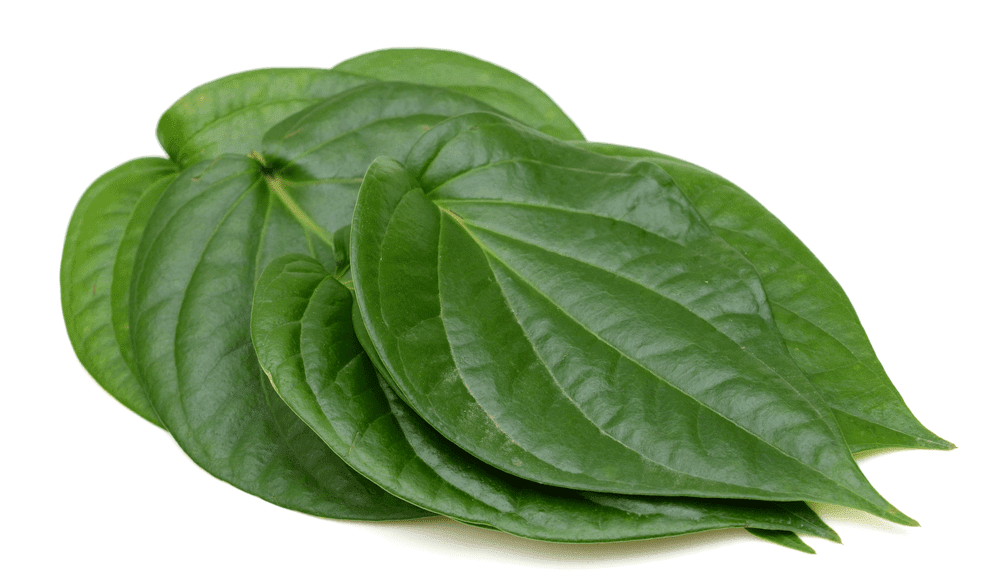
Betel is known to contain several antibacterials that are useful for preventing infection, it’s just not recommended to use it every day. Betel soap is recommended for use during vaginal discharge that interferes with and during menstruation, noting that there are no injuries to the vagina and not used only on the outside of the vagina.
It should be noted, too, that feminine cleansers containing perfumes tend to irritate especially for sensitive skin. Therefore, you should look for feminine cleansers that do not contain perfume.
A safe way to use betel soap
If you want to use vaginal cleansing fluids, such as betel soap, you should only use it occasionally, it doesn’t need to be routine every day, and use the liquid only for the outside area of ​​the vagina or around it.
Avoid using it to add betel soap to the vagina. Cleansing the vagina is enough to keep it moist because damp conditions pose a risk of fungal infections. Avoid using underwear too tight, scented cleaning products or perfumes, both sanitary napkins or soap, because it can cause vaginal irritation.
Clean the vaginal area from front to back to avoid germs from the anus entering the vagina. And when you menstruate, you should regularly change pads at least 2-3 times a day.
How to safely clean the vagina?
According to health experts including the American College of Obstetricians and Gynecologists (ACOG), you are advised to stay away from vaginal cleansers that contain soap, including betel soap. Let the vagina have a normal odor. Except for the record, the unpleasant smell is very strong which indicates infection. If this happens, you should immediately see a doctor to consult.
Simply reduce vaginal odor by controlling the bacteria naturally. Clean the intimate organs with warm water, every time you take a shower. Avoid soap with hard chemicals and perfumes.
If you want to use feminine cleansers to expel fungi, bacteria, and parasites that cause vaginal infections, choose special female antiseptics containing povidone-iodine. Use this feminine cleanser on the outside of the vagina.
Be sure to clean the intimate organs from front to back and not vice versa to prevent microbes from the anus from spreading to the vagina and urinary tract. Do the same thing when you have finished defecating or defecating, and don’t forget to always dry your intimate organs before you wear underwear.

Why Vaginal Infections Occur More During Menstruation?

Why Vaginal Infections Occur More During Menstruation?
Not only are your emotions sensitive when you are menstruating. Your vagina also experiences the same thing. Yes. You will be more prone to vaginal infections during menstruation. This is what makes you have to be extra careful to maintain and care for the cleanliness of the female area during menstruation.
Why is the vagina easier to get an infection during menstruation?
Vaginal infections are very common. 3 out of four women have experienced this condition during their lifetime. According to Margie Profet from the University of California, Berkeley, your vagina is very susceptible to bacterial infections while menstruating. How did it happen?
During menstruation there is a two-way backflow. This happens when the blood cells and tissues that have to be wasted into the vagina actually flow to the cervix and fallopian tubes. As a result, bacterial contamination is easier, because there is a flow from top to bottom and vice versa during menstruation. Bacterial infections can not only occur in the external area of ​​the vagina, but can also enter inside, such as the cervix, to the pelvis.
In addition, vaginal infections during menstruation can also be caused because the female area is more moist than usual. Normally, the acidity of the vaginal pH ranges from 3.8-4.5. However, pH levels will tend to increase when a woman is menstruating. Well, this change in pH levels causes vaginal fungal growth to increase during menstruation.
Therefore, it is very important to maintain vaginal hygiene during menstruation to avoid bacterial and fungal infections in your female organs.
So, how to prevent vaginal infections during menstruation?
Basically, the risk of vaginal infections during menstruation can be reduced in various simple ways, such as changing pads regularly every maximum of 4 hours, cleaning the vagina in the right way, and maintaining vaginal moisture. In addition, give extra time when bathing to clean the female area of ​​the pile of blood and fluid.
Then, what about the vaginal cleanser? Can you use vaginal cleansers during menstruation? Vaginal cleansers may often be associated with negative effects, such as bacterial vaginosis, pelvic inflammatory disease, infertility, even cervical cancer.
Actually, these conditions are caused because the cleaning fluid used actually removes the normal flora inside the vagina. As a result, this actually triggers the growth of pathogenic bacteria. Well, these pathogenic bacteria can then cause inflammation.
If needed, you can use a vaginal cleanser. However, make sure you choose a vaginal cleanser containing povidone-iodine to prevent vaginal infections, especially when you are “red day” “. Female cleansers containing povidone-iodine can help reduce the growth of bad bacteria in the vagina because of its function that resembles antiseptics.
Always read the rules of use printed on the product packaging before you decide to use a vaginal cleanser with povidone-iodine. Don’t forget, consult your doctor first if you are pregnant, planning to become pregnant, breastfeeding, have allergies, or are taking certain drugs before using the product.

7 Reasons You Are Not a Menstruation, Even though You Are Not Pregnant

7 Reasons You Are Not a Menstruation, Even though You Are Not Pregnant
Long awaiting the arrival of monthly guests can be a ritual that makes you excited. In most cases, menstruation is a classic sign that you are positively pregnant. But if after repeated pregnancy tests the results are negative, the absence of menstruation this month can be a sign of certain health problems.
What are the causes of not menstruation?
If your period has been regular but within 3-6 months later it becomes rare or no menstruation at all, here are some of the most likely causes:
Stressful
If you are stressed, your menstrual cycle can be longer or faster, or you may stop altogether.
Calm your mind and take time to relax. Regular exercise, such as running, swimming, and yoga, can help you relax. Breathing exercises can also help.
The weight dropped suddenly
Weight loss that is excessive or sudden can be a cause of non-menstruation because the production of hormones needed for ovulation is hampered.
Overweight
Being overweight or obese can also affect your menstrual cycle. If you are overweight, your body may produce excess estrogen, one of the hormones that regulate the reproductive system in women.
Excess estrogen can affect how often you experience menstruation, and can also be a cause of non-menstruation.
Excessive exercise
Intense and excessive exercise can affect hormones that play a role in the menstrual process. Losing too much body fat through intense exercise can also stop the ovulation phase.
Contraceptive pill
Taking birth control pills can cause irregular menstruation. Some other types of contraception such as injection KB and spiral KB (IUD) can also cause menstruation to stop altogether.
However, your menstruation will usually return when you stop taking birth control pills.
Menopause
You may start not menstruating when approaching menopause. This is because estrogen levels will begin to decrease and ovulation will become less regular. After menopause, menstruation will stop completely.
Menopause is a natural part of the aging process in women, which usually occurs between the ages of 45-55 years.
Polycystic Ovary Syndrome (PCOS)
Polycystic ovary syndrome (PCOS) is a problem of female hormonal balance. Women with PCOS will experience excess androgen hormones that can inhibit the ovulation process.
Women with PCOS also usually have small cysts (fluid-filled bags) that make the ovaries enlarge. These cysts are not dangerous, but can cause non-ovulation.

4 Signs of Your Menstruation Are Not Normal

4 Signs of Your Menstruation Are Not Normal
Whether or not the health condition of menstruation can be an indication of whether your reproductive system is working properly or not. For this reason, it’s important to know what an abnormal menstrual cycle is like you need to worry about.
Generally a woman’s menstrual period is 3-5 days, while the cycle lasts every 28 days. But the menstrual period experienced by each woman has their own characteristics, so it is difficult to determine which are normal and which are not.
Some women are used to experiencing very short menstrual periods, while others are longer. Menstrual volume is a lot of women, while others are fewer.
However, there are some conditions that need to be watched out because they can be indicative of a health problem.
What are the abnormal menstrual conditions that you should be aware of?
The existence of certain changes in your menstruation can be a sign of possible interference with the reproductive organs. The following are some changes that can occur that can indicate abnormal menstruation.
1. If your menstrual volume is more than usual
Generally women issue menstrual blood volume on average 30-40 ml a month. But some women spend up to more than 60 ml a month. This condition is called menorrhagia, and this can be a sign of abnormal menstrual conditions.
If you need to change pads almost every hour, then you can be categorized as having these conditions. Losing a lot of blood causes the body to lose the iron needed to produce hemoglobin. Without enough iron, the number of red blood cells will decrease significantly, causing anemia. This condition is characterized by symptoms such as fatigue, pallor, and shortness of breath.
This higher menstrual volume can be caused by the following:
Abnormal pregnancy or miscarriage.
Use of an IUD (intrauterine device) or spiral as a contraceptive method.
Pelvic inflammatory disease
Disorders of blood clots.
Cervical cancer.
Polyps or uterine fibroids.
Excess blood volume can be reduced by taking oral contraceptives or tranexamic acid drugs that can increase blood clotting. But if you have more menstrual volume than usual, you should immediately see a doctor. If after taking medication your condition does not improve too, the doctor will recommend undergoing an ultrasound (USG) examination to examine the pelvic organs.
2. If your periods slow down or even stop
Amenorrhea is a condition when a woman stops menstruating, or is 15 years old but has never had menstruation. This is due to a decrease in estrogen production so that the frequency of menstruation becomes increasingly rare.
Amenorrhea generally occurs naturally around the age of 50 years. You are in menopause when you have not had menstruation for 12 consecutive months.
But what you need to watch out for is if amenorrhea occurs before the age of 40. At this age, the possibility that can be the cause of cessation of menstruation is:
You are pregnant.
Exercising is too heavy or too often. The frequency and intensity of excessive exercise can affect the production and work of reproductive hormones that regulate the menstrual cycle.
Having eating disorders like anorexia nervosa. Limitations of calories in the body prevent the release of hormones needed in the process of ovulation.
Other possible causes are breastfeeding, obesity, taking birth control pills, disorders of the hypothalamus (the part of the brain that regulates the regulation of reproductive hormones), thyroid gland disorders, stress, uterine disorders, polycystic ovary syndrome, ovaries that stop functioning earlier, and other hormonal balance disorders.
Immediately consult a doctor if your periods stop, irregular, or often late in a long enough time.
3. If you experience excessive menstrual pain
Most women experience fatigue and pain during menstruation. But some women feel more severe pain that makes them unable to move.
This condition is called dysmenorrhoea which can be accompanied by other symptoms such as nausea, vomiting, headache, back pain, and diarrhea. Excessive pain during menstruation can be an indication of the presence of certain diseases, such as endometriosis and fibroids.
Anti-inflammatory drugs can be taken to prevent the production of prostaglandins as a cause of pain and reduce the pain they cause. However, it is advisable to see a doctor for proper treatment. Your doctor will likely suggest a pap smear test, pelvic exam, ultrasound, or laparoscopy.
4. If you experience bleeding while not menstruating
Bleeding while not menstruating should immediately be examined to detect the possibility of a disorder, such as a vaginal wound, to a more serious illness such as cancer.
In essence, you should immediately see a doctor if:
The distance between your two periods is 21 days or more than 35 days.
Your period lasts more than 7 days.
Bleeding when not menstruating.
Experiencing pain that is unbearable when experiencing menstruation.
You need to change the pads until every hour.
You have stopped menstruating for 12 consecutive months, but then have menstruation again.
Checking yourself as early as possible can make the possibility of a disorder that is indicated by abnormal menstruation can be immediately treated.

4 Ways You Can Get Genital Herpes (Not Only From Sex)

4 Ways You Can Get Genital Herpes (Not Only From Sex)
Genital herpes is a genital infection caused by herpes simplex virus type 1 (HSV-1) or type 2 (HSV-2). This infectious disease is characterized by the appearance of fluid or fluid spots on the vaginal, penis, or rectal area. You may also feel pain or heat when you urinate, defecate, and have sex. Then how do you transmit genital herpes and what can be done so as not to contract this disease? Check out the full information below.
Various ways to transmit genital herpes
Transmission of genital herpes occurs when there is direct contact with people who are suffering from this disease. Type 1 and 2 herpes simplex viruses are almost impossible to survive on inanimate surfaces other than human skin or genitals.
Because of this, it is very unlikely that you have contracted genital herpes because you use the same bathing equipment as people with herpes. Your chances of contracting genital herpes from the lips of a public toilet are also very small. Because the virus will immediately die in an instant when it moves to the toilet lip.
However, transmission of herpes is the most reported due to the following four things.
1. Sexual penetration
Genital herpes virus is very easy to move from genitals with herpes to the genitals of healthy people. Therefore, sexual penetration (penis to vagina) without condoms with people who have herpes can increase your risk of contracting.
This risk is also higher if you often change sexual partners. The more your partner, the greater your chances of contracting genital herpes from other people.
2. Oral sex
Not just sexual penetration that can transmit genital herpes. Oral sex (penile, vaginal, or anal stimulation with the mouth) can also spread the herpes simplex virus. If your partner has oral herpes (in the mouth) and he gives you oral sex, the herpes virus in his mouth can move to your genitals.
This is what then makes you get genital herpes despite the origin of oral herpes that your partner has.
3. Use sex toys alternately
Although the herpes simplex virus will die quickly when touching the surface of an object, sex toys or sex toys used alternately can spread this virus too.
This is because your sex toy and partner may be very wet with body fluids such as sperm, saliva (saliva), or vaginal lubricating fluid. Well, the herpes virus will be easier to survive in a humid environment because of human body fluids.
So if you and your partner immediately take turns using the same sex toy even though one of you has genital herpes, then there is a chance you contracted herpes. However, the possibility is small.
4. Normal delivery process
In some cases, a mother who has genital herpes can transmit the virus to her baby during normal (vaginal) delivery. Therefore, talk to your doctor about the various possibilities of transmission of genital herpes during pregnancy.
How to avoid contracting genital herpes?
Calm down, you can still take precautions to avoid contracting genital herpes, especially from partners. Check out the tips here.
1. Not having sex when herpes symptoms appear
If your partner is still on treatment or recovery from genital herpes, you should not have sex first. Whether it’s penile penetration into the vagina or oral sex.
2. Having sex with a condom
Sometimes, symptoms of genital herpes are not realized by the sufferer. Therefore, always having sex with a condom can be an effective prevention way so you don’t get genital herpes. Men should also continue to use condoms when receiving oral sex from their partners.
3. Do not use sex toys alternately
Each partner should have their own sex toys. If you really want to use it alternately, first wash it thoroughly with soap and hot water. Then dry it thoroughly.
4. Maintain cleanliness and health of genitals
According to data from the World Health Organization (WHO), women are more prone to contracting genital herpes than men. Therefore, you must always maintain a clean and healthy vagina. Especially when red days or menstrual period. During menstruation, the vagina is more easily attacked by bad bacteria and viruses, one of which is the herpes simplex virus.
To prevent viral infection or irritation during menstruation, wash the outside of the vagina with warm water and feminine antiseptic products at least twice a day.
5. Do not change partners
Don’t change sexual partners. This will only increase your chances of contracting and transmitting genital herpes to other people. So, if you finish doing “love one night”, immediately check with your doctor to do a venereal disease test.