Itchy Vaginal Causes During Menstruation and How to Overcome It

Itchy Vaginal Causes During Menstruation and How to Overcome It
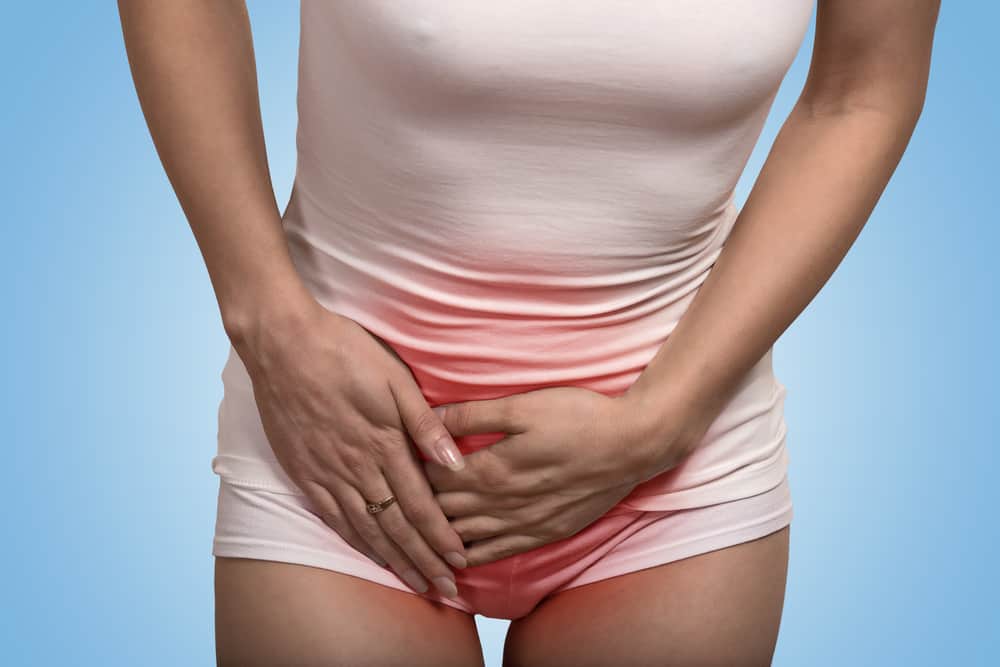
Ahead of menstruation or afterwards, some women complain of the vagina so itching and pain when urinating. This complaint has even become a subscription for some people every month. However, what actually causes vaginal itching during menstruation? Is this reasonable?
It turns out that vaginal yeast infections are the cause. This infection may indeed appear every month, precisely when you have menstruation. You can read the full explanation below.
Get to know vaginal yeast infections
Vaginal yeast infections occur due to fungal growth in your female area. Usually the fungus that causes this infection is Candida albicans. This disease is quite common and fortunately it can be treated if treated properly.
Following are the characteristics of vaginal yeast infections, especially when you are menstruating.
Vaginal itching
The vagina feels sore when urinating or having sex
Thick and white vaginal fluid comes out, the texture is rather like porridge
The vaginal lips (labia) swell if the infection is getting worse
Causes of vaginal itching during menstruation
Although quite often, vaginal itching during menstruation should not be underestimated, especially if it is considered natural. Because the infection is more prone to occur if you do not maintain good vaginal health while menstruating. The following are various causes of vaginal infections before or during menstruation.
1. Changes in vaginal pH before menstruation
If the infection usually appears about a week before you come to the moon, the most likely cause is a change in pH levels in the vaginal area. Before you menstruate, your estrogen hormone drops dramatically. This causes the balance of good bacteria in the vagina to be disrupted. With the reduction of good bacteria, the vagina is more susceptible to fungal attack.
2. Rarely change pads
Vaginal yeast infections can also appear when you menstruate until a week after. If this is what you usually experience every month, the cause might be that you rarely change the pads.
Too long wearing the same sanitary napkin makes the vagina moist. The condition of a moist vagina eventually becomes a comfortable nest for fungal growth.
3. Incorrectly choose panties or sanitary napkins
Panties and sanitary napkins from synthetic materials can cause irritation due to lack of air circulation. Certain sanitary napkins that contain certain fragrances can also cause irritation to sensitive vaginal tissues. Irritation will make your female area more susceptible to growth and fungal infections.
How to deal with vaginal infections during menstruation
Calm down, vaginal yeast infections are generally harmless and can be treated immediately. Look at the right steps to treat and prevent the appearance of yeast infections during the following periods.
1. Check with your doctor
The doctor will provide effective antifungal drugs to stop the infection. If the infection is serious enough, the doctor may prescribe certain medications that must be taken for about six months.
2. Wear comfortable pants and sanitary napkins do not sculpt
Choose the basic ingredients of cotton and can provide good air circulation for the vagina. Do not use sanitary napkins that contain additional chemicals such as perfumes or deodorants.
3. Regularly change the pads
To prevent vaginal itching during menstruation, you must change the pads at least every four hours.
4. Reduce sweet foods and high carbohydrates
Mushrooms and bad bacteria in the vagina will multiply more rapidly if you eat lots of foods that are sweet and high in carbohydrates.
5. Do not wash the vagina with soap
Your female soap or bath soap contains chemicals that are not suitable for the vagina. Female soap will actually disrupt pH levels so that good bacteria that are in charge of maintaining vaginal health die.


Can you lose weight without a diet, only with exercise?

Can you lose weight without a diet, only with exercise?
Exercise is the most effective way to burn calories. That’s why many people think that if you want to lose weight enough with exercise, exercise, and just exercise until thin. There is no need to bother to adjust the meal portion or pay attention to other things. However, is the method of losing weight without a diet like this good for the body?
Can you lose weight without a diet, just exercise?
The more diligently you exercise, the more calories and fat you can burn. Even weight will decrease rapidly over time. Easy, right? But unfortunately, just how to lose weight with exercise can actually be detrimental to health.
No matter how intense your exercise routine is, calorie intake will remain high if you keep eating carelessly. The problem is, the more you feel exhausted after exercising, the more hungry you will feel and you will eat more.
Hungry is a signal from the body to tell you it’s time to recharge energy after losing a significant amount during the exercise.
You can just exercise every day. But if the number of calories that enter the body still exceeds the number of calories burned, it will still be difficult to lose weight without a diet. Even the results of your regular exercise can be messed up. Because, the entry and exit of calories that are not balanced will also gradually disrupt the body’s metabolic processes.
Therefore, just exercise without managing a healthy diet is not a good weight loss strategy.
No need to fear, diet is not not eating at all
There is no need to imagine a diet as a thing that will torture until you starve because you don’t eat at all. The diet itself means regulating diet, not eliminating eating schedules.
A good and effective way to diet to help you lose weight is to make sure the calories you enter must be smaller than the calories that will be released during exercise. The best diet is a diet pattern that can be run for a long time, does not provide extreme effects, and can be adjusted to your lifestyle.
Consider the following if you want to start a healthy diet
1. Selection of food
Expand eating high-fiber foods from vegetables and fruits and complex carbohydrates from your staple foods, such as wheat and brown rice. In addition, don’t forget to also fulfill the needs of protein from animal and vegetable protein sources.
These three types of nutrition are important to help you feel full longer so you control your excessive appetite and control the calories you enter.
Protein is also very important to help increase muscle mass. The higher the muscle mass, the faster the body’s metabolic processes to burn calories in the body.
While dieting, stay away from fatty and oily foods, and sweet drinks. These three types of food can make your weight loss efforts always fail.
2. Get enough sleep and manage stress
Having regular sleep habits, 7-8 hours every night, can help you lose weight faster. Because, lack of sleep can interfere with hormones that regulate appetite, leptin and ghrelin.
In addition, stress also has the same effect on your appetite and weight. An increase in the stress hormone cortisol coupled with an increase in leptin and ghrelin will make it easier for you to feel hungry at night, especially cravings for foods that are high in calories such as sweets and fatty foods.

He said, Metabolism Quickly Makes Weight Gain Go Down, What’s the Relationship?

He said, Metabolism Quickly Makes Weight Gain Go Down, What’s the Relationship?
Ever heard that the body’s fast metabolism is said to be the key to ideal body weight? Yes, many consider if people who have a fast metabolism are easier to lose weight. Actually, what is metabolism? Is it true, yes, if fast metabolism is key for those who want to lose weight fast?
What is metabolism?
Actually, metabolism is one part of the digestive process of food in the body. Metabolism is the process of absorption of all nutrients from foods that have been converted into smaller parts of the previous process. From this absorption, nutrients will be directly distributed to various parts of the body and used for energy materials.
Then how does this process make weight loss quickly?
Are metabolic processes related to weight?
He said, people who like to eat a lot, but their bodies remain slim have a fast metabolic process. Conversely, people who eat less but are fat mean having a slow metabolism. Is that right?
Actually there is a little red thread that connects metabolic processes in the body with changes in body weight. This is of course related to metabolic processes that absorb all nutrients and energy in food.
Furthermore, the energy formed will be utilized by the body to support every activity you do, such as thinking, moving, walking, developing, and other activities that require an energy supply.
Not only that, energy is even needed as long as the body is in rest. Whether it’s for breathing, blood circulation, repairing damaged body cells, pumping the heart, and balancing hormone levels in the body.
So, it can be said that the body’s metabolic processes play an important role in determining how much food is successfully converted into energy during activity.
Simply put, when you can use the energy from metabolism to the maximum for your activities, your weight can remain stable.
But on the contrary, if the amount of energy that the body gets from food is more than the energy released for activity, then the remaining unused energy will be stored as fat.
Is it true that a smooth metabolism makes you lose weight fast?
The fast metabolic process is often associated with weight loss because it means that the energy burning process that occurs in the body also tends to be fast.
In fact, the speed of the body’s metabolic processes is not that simple. Body size, gender, age, genetic, and muscle mass factors are some of the things that play a major role in the fast or slow process of your body’s metabolism.
In addition, changes in body weight whether up or down, not only caused by the speed of the metabolic process, but also involve various things.
Maybe from gene factors, hormone levels in the body, daily diet, environment, to lifestyle including sleep time, stress levels, and physical activity, reported from the Mayo Clinic page.
All of these factors will then cause an imbalance between the number of calories consumed, the amount of energy produced, and the amount of calories and energy released during the activity. In short, losing weight is not only affected by a fast metabolic process.

In addition to the vagina, these 6 limbs can also get fungal infections

In addition to the vagina, these 6 limbs can also get fungal infections
Various types of bacteria and fungi live and grow on your skin. Most are harmless, but they can also breed wildly which can eventually cause disease. Although generally fungal infections appear in the vagina, this infection can also appear in several other body parts. Then, anywhere? See the explanation in this article.
The body parts that are most often affected by fungal infections
1. feet
Feet is one part of the body that is susceptible to fungal infection. Because the body part of this one always comes in contact with various environmental surfaces at any time. In medical terms, a fungal infection affecting the foot is called tinea pedis or athlete’s foot (athlete’s foot). For Indonesians, this condition is better known as water lice.
The typical symptom of water lice is the presence of fluid-filled sponges that generally appear between the toes. In addition, water lice also cause itching, burning, dry or flaking skin, and red rashes.
If you scratch or touch the infected part, the infection can spread to your hands. It can also infect your nails. When the infection has invaded the nail, it will be more difficult to overcome because the nail is immune to drug substances. That is why treating this infection completely and preventing its reappearance is very important.
2. Mouth
Mouth fungal infections are usually caused by albicans candida fungi. This fungus is already present in the mouth, digestive tract and skin, only the amount is very small. Unfortunately, certain diseases or drugs such as corticosteroids or antibiotics can disrupt the balance of fungi and bacteria that cause fungi to multiply uncontrollably. Well, this is what causes fungal infections.
Fungal infections in the mouth are characterized by lesions or white patches in the mouth area such as the tongue, throat and mouth wall. Not only that, fungi in the mouth can also appear in the tonsils, palate, gums, and even the back of the throat. This infection can cause pain and can bleed if you are hit by friction, for example when brushing your teeth.
Mouth fungal infections most often affect infants. Even so, this infection can also affect anyone. Especially those who are taking corticosteroid inhalants (asthma drugs), antibiotics, and those who have a low immune system.
3. Armpit
In the medical world, armpit fungal infections are referred to as intertrigo. Intertrigo usually appears on areas of the skin that have folds, such as the armpit, groin area, and the lower part of the breast or abdomen.
Intertrigo is skin inflammation which can be caused and exacerbated by many factors. This includes moisture, hot weather, lack of air circulation in the armpit (for example, wearing clothes that are too narrow on the arm), to friction between the folds of the skin.
Fungal infections in the armpits are more common in hot weather when the air feels hotter and humid, so sweat accumulates in the folds of the skin. Well, this creates an ideal environment for bacteria and fungi to grow rapidly.
4. Breasts
If you are breastfeeding and feeling itchy around the breast, it could be a fungal infection. Because, fungal infections can occur and develop in the mother’s breast. The reason is due to uncontrolled growth of candida mushrooms.
Fungal infections in the breast can occur because the breastfeeding process creates the perfect environment for the fungus to develop in the breast. Conditions that are warm, moist, and sweet make the breast the most preferred location for mushrooms to thrive.
5. Groin
Groin is the most appropriate place for mushrooms to breed. In the medical world, fungi that develop in the cell are known as tinea cruris. Tinea cruris is a skin disease caused by fungi that grow in the groin around the groin, anus, buttocks, and sometimes to the lower abdomen.
This infection occurs because you often use wet and damp underwear. In addition, sharing towels with people who are infected and rarely bathing can also increase your infection.
6. Penis
Not only in the vagina, fungal infections can attack a man’s penis. Although fairly rare, you should never underestimate this infection. Fungal infections in the penis can occur if men tend to have unprotected sex and not keep their penis clean. Just like the vagina, the penis which is often in humid conditions also has a high potential to cause fungal infections.

All You Need to Know About Vaginal Douche

All You Need to Know About Vaginal Douche
Basically, the vagina is an organ that can cleanse itself. The cervix and inner wall of the vagina will produce mucus that will shed with the remaining menstrual blood, old tissue, and other foreign particles coming out of the vagina. But this does not mean you can miss cleaning the vagina. Keeping the vagina clean always is important to avoid vaginal itching and odor problems. One way to treat Miss V’s cleanliness is by vaginal douche. But, how do you use it? See the following review.
What is vaginal douche?
Douche itself comes from French which means “rinsing” or “washing”. Vaginal douche is a special antiseptic cleaning fluid for the vagina which is usually packaged in a spray bottle-covered bottle to make it easier for users to spray the contents of the solution into the vagina. Some other douche products also include intermittent pumps that are separate from the liquid bottle to keep the contents of the solution sterile.
Douche liquid is usually made from water and can also contain the active ingredient Povidone Iodine. This substance serves to kill bacteria so that it helps relieve vaginal discharge, itching, or unpleasant odors. Vaginal douche may also contain a mixture of water and vinegar solution or water with baking soda.
How do you use vaginal douche?
Depending on the vaginal douche product you are using, usually douching is done by spraying an antiseptic solution into the vagina through a special spray hose. You must first pour the contents of the bottle into a bag that is usually included in the cardboard package. This method is believed to be able to reach all parts of the vagina to the deepest corners, to the neck of the vagina. This water solution then flows out again through your vagina.
Some other vaginal douche products function like ordinary liquid soap. All you need to do is pour a little antiseptic solution on your hands and wash your vagina with your hands.
After that, then you dry the vaginal and surrounding areas that are still damp. But be careful when you dry the vagina after douching. Do not dry the vagina by rubbing a towel or tissue from the back (buttocks) forward (vagina). The right direction is the opposite, from the front to the buttocks. This is to avoid the remains of feces and germs that stick to the rectum move to the vaginal opening. Instead of feeling clean tight down there, you actually become prone to urinary tract infections.
How often do you use vaginal douche to clean the vagina?
According to many health experts, including experts from the American College of Obstetricians and Gynecologysts (ACOG), you should avoid using vaginal douches as often as possible. If possible, you should try not to use it at all.
There is no scientific evidence about the real benefits of douching for women’s reproductive health. Douching can actually cause risks and dangers that are not worth the fresh effect. Doching actually makes you more susceptible to infections, such as bacterial vaginosis. Because, vaginal douche solution actually works to rinse the colonies of good bacteria that live in the vagina.
Summarized from various scientific studies, frequent vaginal douching can also increase your risk of a number of chronic diseases, such as pelvic inflammatory disease, HPV, cervical cancer, sexually transmitted diseases, to fertility problems such as difficulty getting pregnant and ectopic pregnancy.
So, how to clean a good vagina?
The vagina already has its own way to cleanse itself by keeping the pH level and bacterial colonies in balance. Therefore, you simply wash your vagina with lukewarm warm water one to two times a day.
To relieve symptoms of unpleasant odors, itching, vaginal discharge, or to prevent infection in the vaginal area, you can use female antiseptic products. Especially when you menstruate, which is the time when the vagina is very susceptible to infection. A good female antiseptic cleanser usually contains Providone Iodine active ingredient and does not contain fragrances, perfumes or soaps at all.
But use a vaginal cleanser antiseptic solution only limited to washing the outside of the vagina, do not get to the inside, so as not to kill good bacteria.

Causes of Bloody Vagina After Sexual Relationship

Causes of Bloody Vagina After Sexual Relationship
Vaginal bleeding is not foreign to women. Every month we experience it in the menstrual period. Bleeding vagina is also common (though not always) the first time a woman loses virginity. But what about when blood comes out of the vagina after intercourse, even though you are no longer a virgin?
Some of the causes are often only mild things that need not be worried. But it also cannot be ignored, because there are several possible causes to watch out for.
What are the causes of vaginal bleeding after sexual intercourse?
1. Cervicitis
Cervicitis is inflammation of the cervix, located further down, the narrow end of the uterus and connecting to the vagina. Sometimes, there are no signs or symptoms shown when suffering from cervicitis. However, the symptoms found can be bleeding when you are not menstruating, and changes in the fluid that comes out of the vagina – like vaginal discharge. Other symptoms include pain during intercourse and bleeding from the vagina afterwards. Cervicitis can also occur when you have a sexually transmitted disease, such as chlamydia and gonorrhea.
2. Cervical extropion
A condition in which the inner lining of the cervix protrudes into the vaginal part. However, this is not identification as a condition that can cause cancer.
3. Cervical polyps
This polyp is a benign tumor with a small and long shape that grows on the cervix. Symptoms can include vaginal bleeding after intercourse, after menopause, and when you are not menstruating.
4. Dry vagina
This case can occur in women of all ages and ages. However, generally this is experienced by elderly women. Deficiency of the hormone estrogen is one of the triggers. Estrogen itself functions to help maintain healthy vaginal tissue, regulate vaginal vaginal lubrication, acidity and elasticity of the vagina. With a dry vaginal condition, it is very possible that friction during intercourse can cause bleeding.
5. Vaginitis
This is also an inflammation that occurs in the vagina, resulting in pain, itching, and abnormal discharge of fluid. The cause is in the form of an imbalance between good and bad bacteria in the vagina. Decreasing estrogen levels and menopause can also be the cause.
Another cause of vaginal bleeding after sex
There are several other causes that can cause bleeding after intercourse, such as:
Friction caused during sexual intercourse
Sexually transmitted infections, such as genital herpes and syphilis
Lack of lubrication in the vagina or skipping foreplay
Cancer of the cervix (cervix), vagina, or uterus (uterus)
When should I see a doctor?
You should see a doctor when bleeding persists. The doctor will conduct an evaluation and a series of tests, such as:
Women with irregular menstrual cycles can be asked to do a series of physical tests that emphasize the thyroid, breast, and pelvic area
Pap smear to determine the risk of cervical cancer
In premenopausal women, a pregnancy test is needed
A blood test to find out your blood count, if you experience excessive blood loss
Blood sampling test to evaluate thyroid, liver and kidney function
Blood test to determine the level of the hormone progesterone
Pelvic ultrasound is based on the woman’s medical history

Causes of Vulvodynia, Vaginal Pain That Doesn’t Gone Missing

Causes of Vulvodynia, Vaginal Pain That Doesn’t Gone Missing
If the vagina feels painful, doing all kinds of activities becomes uncomfortable. Starting from sitting, driving, until having sex. Unfortunately, vaginal pain can affect anyone indiscriminately. But what actually causes vaginal pain and how to overcome it? Consider the following answers.
Symptoms of vaginal pain
Pain in female genital organs is known as vulvodynia. You who have this condition may feel symptoms such as pain, pain, heat, or pain in the genital area. Some people also report itching that sometimes attacks.
However, not everyone experiences the same symptoms. Because, there are two types of vulvodynia that may attack women. Pay attention to the types and symptoms below, let’s.
Vaginal pain in all places
Pain may be felt throughout the genitals, without exception. Or the pain moves, at different times. Even without being touched or pressed, the vagina can just hurt.
Vaginal pain in a certain place
Vaginal pain only appears in one area, for example the vaginal opening or labia (vaginal lips). Usually pain is followed by a painful sensation such as burning. This type of vulvodynia generally appears only if there is a trigger, such as having sex or sitting too long.
Causes of vaginal pain
Until now, there is no definite answer to the cause of vulvodynia or vaginal pain. According to experts in reproductive health, the pain that arises does not indicate the presence of sexually transmitted infections. In addition, experts also do not see signs of skin disease or cancer in women with vulvodynia. So, the cause of this condition is still being studied.
However, from various medically recorded cases, here are a variety of possibilities that can cause pain in the female genital area.
Nerve injury or injury
Muscle cramps
Allergy or irritation to certain chemicals
Hormonal changes
History of sexual violence
Inflammation in the vaginal area
Have vaginal rejuvenation surgery
Having had a sexually transmitted disease
Often get vaginal yeast infections
Physical activities such as cycling or riding a horse
Frequently taking antibiotics
Sit too long
Wearing clothes or tights
Can vulvodynia be treated?
Because the cause of vulvodynia has not been found with certainty, the treatment is only intended to relieve and prevent symptoms. In addition, the treatment offered to each woman may vary. This depends on the symptoms you experience.
So, you should immediately see a doctor to discuss the best treatment for you. Your doctor may prescribe special painkillers and ointments for the vaginal arena. If you feel it is necessary, you may also be given hormone regulating drugs.
Home care for vulvodynia
In addition to treatment from a doctor, you will also be advised to make some changes and treatments to prevent recurrence of pain. You should not use feminine cleansing soap and sanitary napkins containing perfume or hard chemicals. To make love, always use sex lubricants so that penetration does not feel painful.
So that the muscles and nerves around the genitals are not tense and stiff, relax with Kegel exercises. You can listen to the guide to doing Kegel exercises in this link.
If the pain recurs, compress with a gel or ointment specifically for pain relief. Washing your vagina with warm water can also make you feel better. Also avoid wearing tight pants or no air circulation.

Relax, Often Having Sex Will Not Make Your Vagina Stretchy

Relax, Often Having Sex Will Not Make Your Vagina Stretchy
Have you ever heard the myth that women who have had frequent vaginal sex will loosen up? This belief has indeed been circulating since ancient times. This is because in ancient times knowledge about the way the vagina worked in the lay community was still limited. In fact, as often as anything having sex will not make the vagina stretchy.
The vagina is one of the strong and versatile female organs. So, you don’t need to worry about vaginal stretches due to sex. Check out the following full review to find out why.
Is it true that too much love makes the vagina stretchy?
The myth that the vagina will stretch if you have sex often departs from a wrong understanding of this female organ. Many people believe that the vagina was initially very tight. However, when a woman has had sex for a long time the vagina will stretch because of multiple sex penetration. This is certainly a big mistake.
First, you must first understand how the vagina works. When a woman feels aroused, the vagina will stretch naturally. This serves to open the way for the penis. However, this is temporary. After sex, the vaginal opening will tighten back to normal.
No need to worry about vaginal stretches. Because the muscle tissues around the vagina are very flexible. This is because the vagina has been designed so perfectly to allow reproductive function, namely sexual penetration without destroying its original shape.
Then, what can make the vagina stretchy?
Sex does not make the vagina stretchy. However, several other things like aging and normal childbirth can make the vagina relax. When women enter menopause, estrogen levels in the body will decrease. Decreased estrogen causes various cells, tissues, and muscles around the vagina to weaken and cannot regenerate quickly. The cervix, vagina, and labia are no longer flexible so you will feel a sensation like a stretchy vagina.
Apart from the aging process, normal delivery can also make the vagina relax. This is because babies are born through the cervix and vaginal opening. The vagina will also open a path that is wide enough for the baby to pass. This process can take a long time so that the cervix and vagina must remain in a condition of stretching continuously. Therefore, you may need a few moments until the vagina returns to its original shape. If you don’t meet again, you can try various ways to tighten the vagina such as Kegel exercises or laser therapy.
Can the shape of the vagina change if you have sex frequently?
Many women are worried that the vagina will stretch due to sex. In fact, if done wisely and safely, sex will not change the shape of the vagina at all. According to Dr. Mary Jane Minkin, an expert on reproduction and content from Yale Medical School, sex as often as anything will not have an impact on your female organs. The new vagina will be problematic if you are infected with venereal disease caused by unsafe sex.

5 Symptoms of Trichomoniasis Gender in Women

5 Symptoms of Trichomoniasis Gender in Women
Trichomoniasis is a sexually transmitted disease caused by a parasite named Trichomonas vaginalis (TV). This disease is one of the most common types of venereal disease. This infection is not fatal, but can lead to complications, such as infertility, infection of the vaginal skin tissue in women.
Trichomoniasis can attack men and women, but sexually active young women are more susceptible to contracting, because this disease is transmitted through intimate relationships. Although it can be treated, trichomoniasis makes it uncomfortable and can cause further complications.
Early detection is the best way to control disease and get appropriate medical help. For women, knowing the symptoms can ensure proper and fast treatment.
What are the symptoms of trichomoniasis?
Trichomoniasis often has no symptoms. The Center For Disease Control and Prevention reports that only 30 percent of people with trichomoniasis report symptoms.
In one study, 85 percent of affected women did not have any symptoms. These symptoms generally will appear on the fifth to 28th day after being infected. However, many people do not realize that they have been infected with this parasite so they do not take any care.
If you experience one of the symptoms mentioned and the symptoms are getting worse, immediately check with your doctor.
1. Unusual vaginal discharge
One of the first symptoms of trichomoniasis in women is unusual vaginal discharge, because vaginal fluid that appears can range from a soft to slightly foamy texture. The color is usually yellow, green or gray. These symptoms generally appear within a week of exposure.
2. Vaginal itching
Women with trichomoniasis may also experience itching in and around the vagina. Itching appears occasionally and is widespread. Itching can even occur in the folds of the labia (vaginal lips).
3. The vagina smells
Smell on the vagina infected with trichomoniasis, usually develops from mild to strong. Smell that arises such as fishy and rotten smell, especially after bathing or washing the genital area.
4. Vaginal irritation or injury
If your vaginal area is excessively itchy and you scratch it, this can cause inflammation or open sores that are painful and may be difficult to cure. In more advanced conditions, trichomoniasis can arise like a red lump under the skin. This can make your vaginal area more itchy, but you should try to refrain from scratching.
5. Lower abdominal pain
If trichomoniasis is entered in an advanced stage, usually occurs 20 days or more after exposure, a red lump can begin to spread on the inside of the vaginal wall. This is caused by the growing parasites. This lump can cause painful intercourse and lower abdominal pain. This abdominal pain generally subsides one or two days after treatment.
How to avoid contracting trichomoniasis
Like other venereal diseases, trichomoniasis can be prevented by not changing sexual partners. Make sure you also always use a condom during sex, if you are not sure your partner is clean of venereal disease.
In addition, it ensures your vagina is clean of bacteria and parasites that cause sexually transmitted diseases, clean the vagina with a special female cleanser after sex and during menstruation, where the vagina is most susceptible to infection. Avoid vaginal cleansers that contain soap because it can disrupt vaginal pH balance. If you want to eradicate bacteria completely, cleansers containing povidone-iodine can be an option.

Tips for Caring for a Vagina According to Age Changes Every Woman Should Know

Tips for Caring for a Vagina According to Age Changes Every Woman Should Know
As with skin and hair that will change with age, women’s sex organs are the same. Gradually, you may realize that the shape of the vagina is not the same as a few years before. So, for how to treat the vagina itself, is there a difference that must be considered?
How do you treat your vagina according to your age?
Vaginal changes usually begin when a woman has entered puberty. Stepping on this time, you are advised to be more diligent in maintaining the health of your vagina as a whole. Come on, find out about how to care for your personal organs!
How to treat your vagina in your 20s
The peak of female sex hormones – such as estrogen, progesterone and testosterone – is increasing rapidly at this age. Especially for those of you who are married and actively having sex, the vagina is at risk of being attacked by various microbes that cause disease.
In order to keep your vagina healthy, you are encouraged to urinate regularly after having sex. The goal is to prevent bacteria, which can come and stick anywhere, such as hands, condoms, or penis. So, bacteria that might stick will be released through the urethra. Moreover, the location of the vagina which is close to the urethra so as to facilitate the spread of bacteria to other body parts.
In addition, as much as possible avoid vaginal douche and clean the vagina using betel leaf soap.
Instead, just wash with water. Although it can provide freshness, but there is still the risk of danger that follows afterwards. Because it will make vaginal pH unbalanced, which in turn increases your risk of infection.
No need to worry because actually the vagina has the natural ability to cleanse itself. This process involves vaginal vaginal discharge which is responsible for cleansing while protecting the vagina from irritation.
How to treat your vagina in your 30s
Entering this age, it is prone to hormonal changes that will cause the labia minora area to darken. The factor of ever giving birth also makes the vagina become more tenuous and loses some of its elasticity. In fact, not infrequently, the vagina sometimes feels dry as a sign of physical symptoms because the body begins to enter a period of temporary menopause.
Well, to work around this, try to start a balanced diet to maintain the health of your vagina. A director of women’s sexual dysfunction treatment at the Stanford University Medical Center in California, Leah Millheiser, MD, said that probiotic-rich foods such as yogurt can help prevent infections and other problems that the vagina can experience.
On the other hand, Kegel exercises are believed to be able to help re-close the vagina after giving birth. Gymnastics that have a myriad of positive benefits play a role in strengthening your pelvic floor which can reduce intestinal, bladder, and make love sessions more enjoyable.
How to treat your vagina in your 40s
Menopause in women usually occurs in the age range of 45-55 years. Before entering the actual menopause, women will experience a pre-menopausal period first.
This condition is characterized by decreased estrogen levels in the body, making the vaginal wall drier than usual. The part of the labia in the vagina also appears to be looser due to reduced fat composition.
If this happens, you can talk to your doctor about using safe vaginal lubricants to deal with dryness. Also, try to slip more time into the warm-up session before having sex. You can also try various new positions when sex makes it easier for movement in the joints and muscles of the body.
But don’t forget to keep doing kegel exercises regularly in your 40s. Health experts also recommend that you do a pap smear regularly every three years. In order to detect if there is a development of cancer cells in the cervix so prevention can be done immediately.
How to treat the vagina at the age of 50 years and above
After going through the transition period before menopause, now at the age of 50 years and over you may have really experienced menopause. This condition will affect the amount of estrogen in the body which results in the size of the vulva, vagina, and cervix becoming smaller and pale.
Vaginal fluid production will decrease with decreasing estrogen levels, making you less comfortable during sex. Vaginal care at this age is actually not much different from before, make sure you keep on routinely regulating a balanced diet, exercise, health checks especially those related to sex organs, urinating after having sex, and so forth.
You can also add several types of foods that can help treat vaginal dryness, such as soybeans, edamame, tofu, and tempeh. Margaret Nachtigall, MD, as a lecturer in gynecology at New York University, explained that these food sources contain isoflavones, which are compounds that resemble the hormone estrogen.
Regardless of changes in age level, you should consult further with the doctor regarding how to treat the vagina properly if you experience a complaint that is considered unusual in this genital organ.